

Sedans were supposed to be finished — killed off quietly by a wave of high-riding SUVs that convinced an entire generation that ground clearance was a personality trait. Nobody told these four.
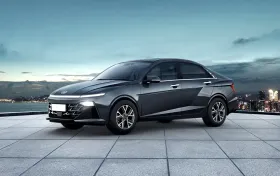
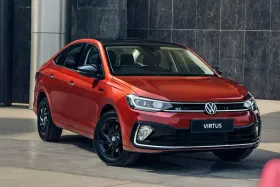
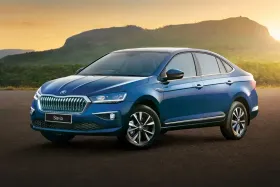
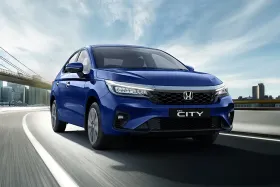
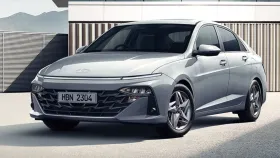
The Hyundai Verna just got a fresh facelift. The Honda City has been doing this longer than most of its buyers have held a driving licence. The Skoda Slavia and Volkswagen Virtus are, beneath the skin, the same car wearing different shoes — and both are excellent.
So which one do you actually buy? That depends entirely on what you’re optimising for. Let’s get into it.
Also Read: 2026 Hyundai Verna Launched in India: Bolder Face, Level 2 ADAS, & Price Tag That Makes Sense
2026 Hyundai Verna vs. Competition: Key Specs
| Specification | 2026 Hyundai Verna (Facelift) | 2026 Honda City | 2026 Skoda Slavia | 2026 Volkswagen Virtus |
|---|---|---|---|---|
| Dimensions (L×W×H mm) | 4565 × 1765 × 1475 | 4583 × 1748 × 1489 | 4541 × 1752 × 1507 | 4561 × 1752 × 1507 |
| Wheelbase | 2670 mm | 2600 mm | 2651 mm | 2651 mm |
| Ground Clearance | 165 mm | 165 mm | 179 mm | 179 mm |
| Boot Space | 528 L | 506 L | 521 L | 521 L |
| Fuel Tank | 45 L | 40 L | 45 L | 45 L |
| Engine (NA petrol) | 1.5L MPi; 115 PS / 144 Nm | 1.5L i-VTEC; 121 PS / 145 Nm | — | — |
| Engine (1.0L Turbo) | — | — | 1.0L 3-cyl TSI; 115 PS / 178 Nm | 1.0L 3-cyl TSI; 115 PS / 178 Nm |
| Engine (1.5L Turbo) | 1.5L Turbo GDi; 160 PS / 253 Nm | — | 1.5L 4-cyl TSI; 150 PS / 250 Nm | 1.5L 4-cyl TSI; 150 PS / 250 Nm |
| Hybrid option | — | 1.5L Atkinson + e-CVT; 126 PS (₹20.00 L, separate model) | — | — |
| Transmissions | NA: 6MT / IVT · Turbo: 6MT / 7DCT | NA: 6MT / CVT · Hybrid: e-CVT only | 1.0L: 6MT / 6AT · 1.5L: 7DSG only* | 1.0L: 6MT / 6AT · 1.5L: 7DSG only** |
| Tyres (base / top) | 185/65 R15 / 205/55 R16 | 185/60 R15 / 185/55 R16 | 195/65 R15 / 205/55 R16 | 195/65 R15 / 205/55 R16 |
| Airbags | 6 standard; 7 on top variant only | 6 standard | 6 standard | 6 standard |
| ADAS | Level 2 SmartSense (select variants) | Honda Sensing (select variants) | None (facelift expected later in 2026) | None |
| NCAP Rating | 5-Star Global NCAP | 5-Star ASEAN NCAP / 4-Star Global NCAP | 5-Star Global NCAP | 5-Star Global NCAP |
| Drivetrain | FWD | FWD | FWD | FWD |
2026 Hyundai Verna vs. Competition: Key Takeaways
Size & Road Presence

- Honda City takes the length crown at 4,583 mm. Great for highway cruising, not so great when the only remaining spot at Phoenix Marketcity is a tight one between two Fortuners. Widest of the bunch is the Verna — 1,765 mm — and that extra width shows up inside the cabin where it actually matters, not just on a spec sheet.
- The Slavia and Virtus stand tallest at 1,507 mm. Sounds like a trivial number until your father-in-law stops complaining about hitting his head getting into the back seat.
Cabin Space & Wheelbase
- The Verna’s 2,670 mm wheelbase is the longest here — 70 mm more than the City’s 2,600 mm. That gap may sound small, but put a tall person behind a tall driver in a City and they’ll feel every single one of those missing millimetres on a four-hour drive.
- Short wheelbase on the City isn’t a dealbreaker for city use, but for families doing regular highway trips, the Verna’s rear-seat space is genuinely in a different conversation.
Ground Clearance

- Slavia and Virtus at 179 mm; Verna and City at 165 mm. Fourteen millimetres doesn’t sound like much — until you’re navigating a poorly designed speed breaker at 11 PM and you hear that horrible scraping sound. The VW-Skoda duo handles Indian roads with noticeably more confidence; the sedan vs. SUV debate starts making a little less sense when your sedan clears obstacles just fine.
Boot Space
- Verna wins at 528 L. Slavia and Virtus trail slightly at 521 L. City brings up the rear at 506 L. In real terms: the Verna fits that extra suitcase your wife insists on bringing; the City does not — and that conversation never ends well.
Also Read: Toyota Adds a Stripped-Down Rumion E at Rs 9.56 Lakh, But the Ertiga Still Undercuts It
Engine Performance

- Verna’s 1.5L turbo at 160 PS / 253 Nm is the sharpest engine in this segment. Slavia and Virtus sit at 150 PS / 250 Nm — respectable numbers, and truthfully, for 90% of what people actually do with their cars, you won’t feel robbed. The remaining 10% involves an empty expressway at 6 AM, which is where the Verna’s extra 10 PS starts making its case.
- City’s 121 PS motor is the kind of engine your accountant would approve of — dependable, economical, never embarrassing. It pulls cleanly through traffic, sits quietly on the highway, and asks very little of you. Then a set of ghats shows up and suddenly you’re changing down two gears just to keep pace with a loaded truck. It’s not a bad engine; it’s just been designed for a different kind of driver.
- The 1.0L TSI in the Slavia and Virtus deserves more credit than it typically gets. Yes, it’s a three-cylinder. Yes, people hear that and immediately feel shortchanged. But 115 PS and 178 Nm from a litre of displacement, with turbo torque arriving early and staying long — in city traffic especially, it rarely feels like you’re missing anything. And the fuel economy numbers that come with it don’t hurt either.
Hybrid Option

- City eHEV is in a category of one here; no rival touches it on efficiency. Over 26 kmpl claimed means if your daily drive is mostly city stop-and-go, the hybrid variant starts paying back its premium faster than you’d expect. Nobody else in this segment even comes close — yet.
Fuel Tank
- Verna, Slavia, Virtus — 45 L each. City — 40 L. Small difference, but combined with the petrol City’s lower mileage figures, you’ll be refuelling noticeably more often. Over a year, those extra fuel stops add up in both time and money.
Transmissions

- The Verna offers the most variety: a smooth IVT with the NA engine and a sharp 7-speed DCT with the turbo. City’s CVT does what CVTs do — keeps things calm and inoffensive. Slavia and Virtus’s DSG is the enthusiast’s pick: fast, precise, responds well when you actually want to drive rather than just commute.
- One thing worth flagging — if you had your heart set on a manual Slavia or Virtus with the 1.5L engine, both manufacturers quietly pulled that option; Skoda in September 2024, Volkswagen in January 2026. Manual lovers are limited to the 1.0L TSI now. Take that into account before walking into a showroom expecting options that no longer exist.
Airbags
- Six airbags across all four — that’s the baseline. Verna adds a 7th on its top variant, which is a genuine first in this segment. That said, don’t let a single airbag on one specific trim become your entire decision-making filter; focus on whether you’re actually buying that variant.
Also Read: Renault Bridger Sub 4-Meter SUV Teased: Here’s Everything We Know About It
ADAS

- Both the Verna and City offer driver assistance features — though only on select higher trims. Slavia and Virtus currently have nothing, though the Slavia facelift arriving later in 2026 is expected to address that gap.
- In day-to-day use, ADAS on long expressway runs is the kind of feature you don’t think about until you’ve used it — and then you wonder how you ever drove without it. If you spend meaningful time on highways, this tips the scale towards the Verna or City.
Safety Ratings
- Verna, Slavia, Virtus — all 5-Star Global NCAP. City holds 5-Star ASEAN NCAP and 4-Star Global NCAP; ASEAN is a slightly less demanding protocol. In practical crash-safety terms the City is still a safe car — but if you’re the type who reads the actual test reports before signing anything, the distinction is worth knowing.
2026 Hyundai Verna vs. Competition: Starting Price
| Car | Base Variant | Starting Ex-Showroom Price (Delhi) |
|---|---|---|
| Skoda Slavia | 1.0L Classic MT | ₹10.00 Lakh |
| Volkswagen Virtus | Comfortline 1.0 TSI MT | ₹10.50 Lakh |
| Hyundai Verna | HX2 1.5 MPi MT | ₹10.98 Lakh |
| Honda City | SV 1.5 i-VTEC MT | ₹11.95 Lakh |
Skoda wins the opening move at ₹10.00 lakh flat — a round number that does serious marketing work without Skoda spending a rupee on ads. Volkswagen trails by fifty thousand with the Virtus; same engine, same platform, different badge. At that point, you’re choosing between a Czech lion and a German roundel on your bonnet — that’s genuinely the whole difference.
The Verna sits at ₹10.98 lakh. Hyundai clearly had someone in a room who understood that eleven lakhs feels like a different conversation entirely, and kept it just shy of that line. Deliberate? Obviously.
The City opens at ₹11.95 lakh — which, against a freshly updated Verna, is a tough position to defend. Honda’s counter-argument has always been resale and refinement; both are real, both take years to materialise. The cheque you write on day one doesn’t care about either.

You can follow Smartprix on Twitter, Facebook, Instagram, and Google News. Visit smartprix.com for the latest tech and auto news, reviews, and guides.