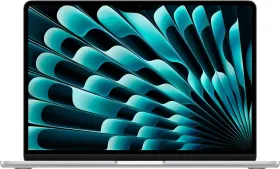



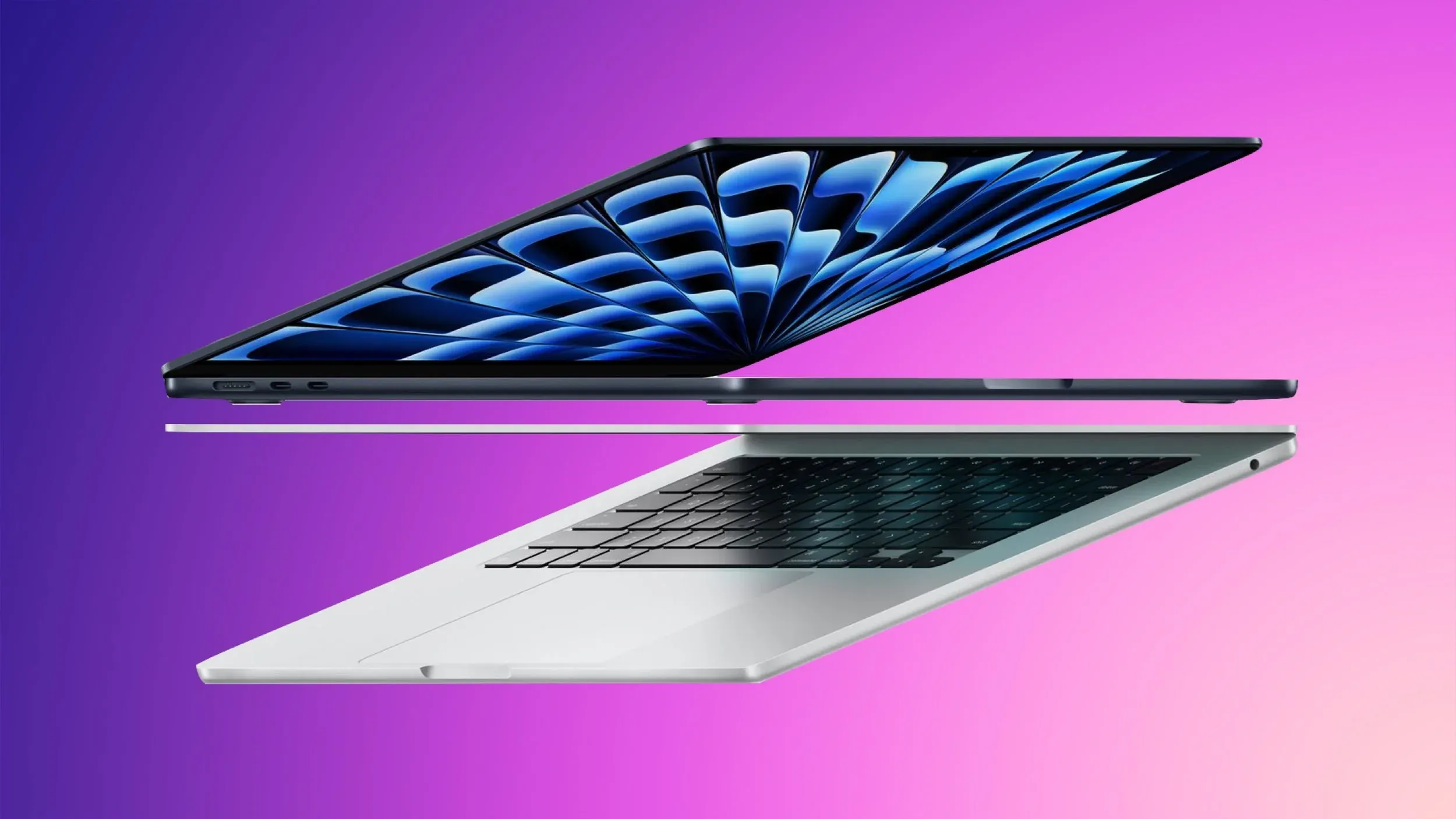
Recently, prices hiked, and the MacBook Air isn’t the easy recommendation it used to be. Apple’s latest India-wide revision has pushed the 13-inch M5 model from ₹1,19,900 to ₹1,49,900, a straight ₹30,000 jump, while the 15-inch variant has gone up ₹35,000 to ₹1,79,900.
Apple is blaming a global surge in DRAM and NAND memory costs, and to be fair, Dell, HP, Lenovo, Acer, and Asus are all passing on similar hikes to their own lineups. But Apple’s increase lands harder in India specifically, since import duties and 18% GST stack on top of the base hike before you even see a sticker price.

If you’re shopping in the ₹80,000 to ₹1,20,000 range, there are now several Windows ultrabooks that deliver better value than the current MacBook Air. So let’s take a look at five alternatives that pack excellent displays, capable hardware, long battery life, and premium build quality, all while costing significantly less than Apple’s latest Air.
ALSO READ: I Thank My Stars For Getting A 13-inch M5 MacBook Air In Time To Avoid The Ugly Price Hike
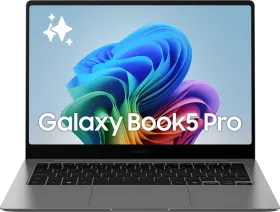
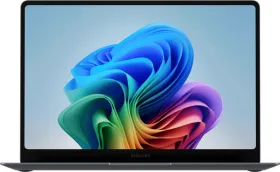
1. Samsung Galaxy Book5 Pro
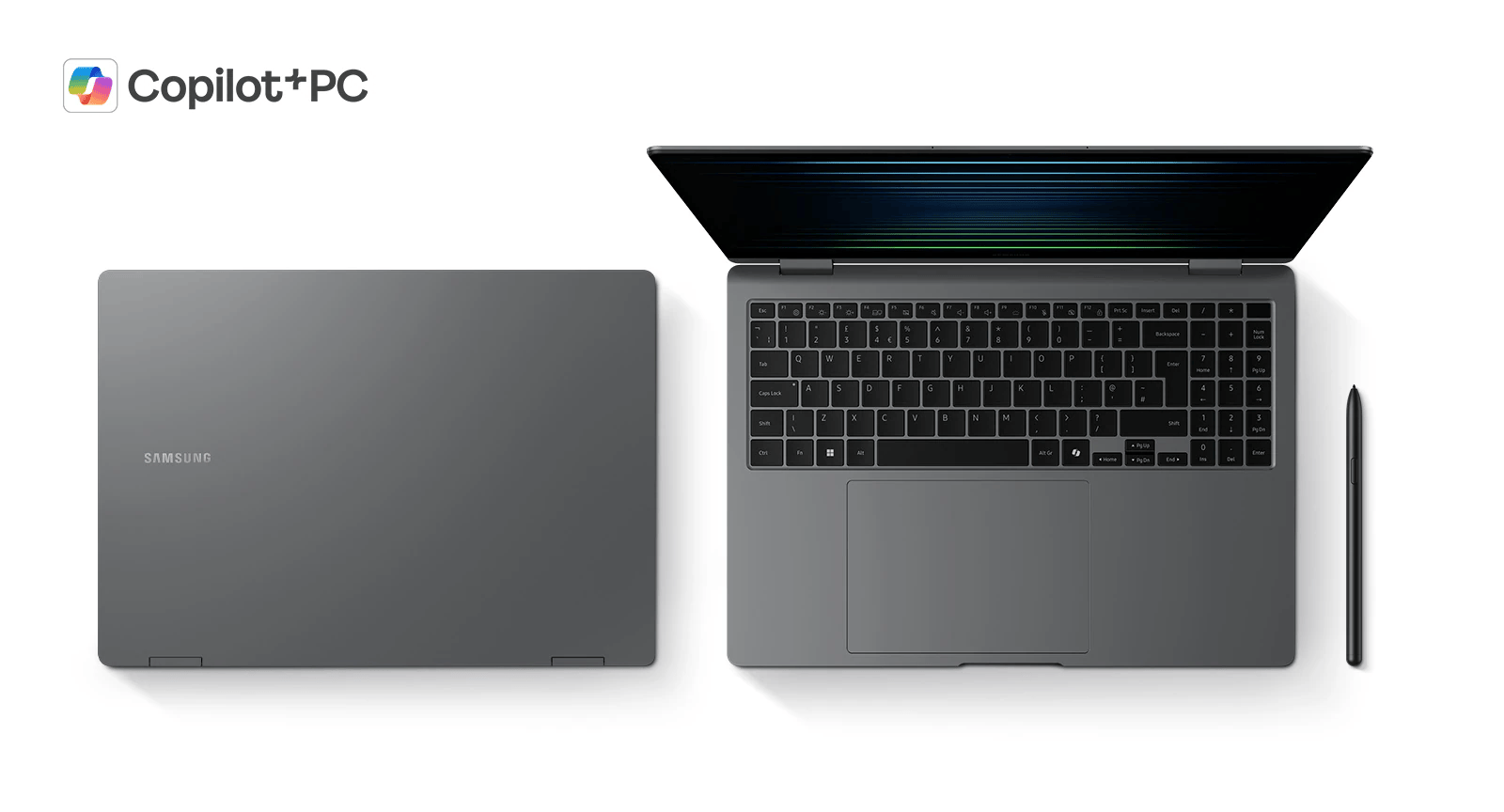
This is Samsung’s flagship thin-and-light for 2026, and it’s priced right at the top of this bracket. The 14-inch model weighs a reasonable 1.23kg in Samsung’s Gray or Silver finish, and the screen is the headline feature here: a 14-inch 2.8K (2880 x 1800) AMOLED panel running at 120Hz, hitting 500 nits of peak brightness with 120% DCI-P3 and 100% Adobe RGB coverage, plus touch support on higher configs. That’s a major step up over the MacBook Air’s 60Hz Liquid Retina display on paper.
Power comes from an Intel Core Ultra 7 (Series 2) chip with integrated Intel Arc graphics, paired with 16GB of LPDDR5X on-package memory and a 512GB PCIe NVMe SSD. Samsung claims up to 25 hours of local video playback off the roughly 76Wh battery, with fast charging getting you to around 41% in half an hour, and even if you only take 70% of that claim at face value, it’s still excellent for a 14-inch machine.
Round it out with Wi-Fi 7, Bluetooth 5.4, a quad-speaker setup with a dedicated woofer and tweeter pair, and Samsung’s own Galaxy AI features like AI Select and Photo Remaster running alongside Microsoft’s on-device Copilot+ experience. At the time of writing, the Galaxy Book5 Pro is available starting ₹1,31,990.
ALSO READ: How Apple’s Indian Price Hike Compares To The United States, Its Home Market
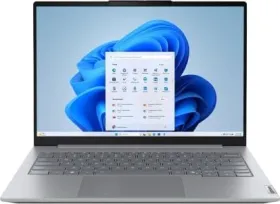
2. HP OmniBook 7 (14-fr0789TU)
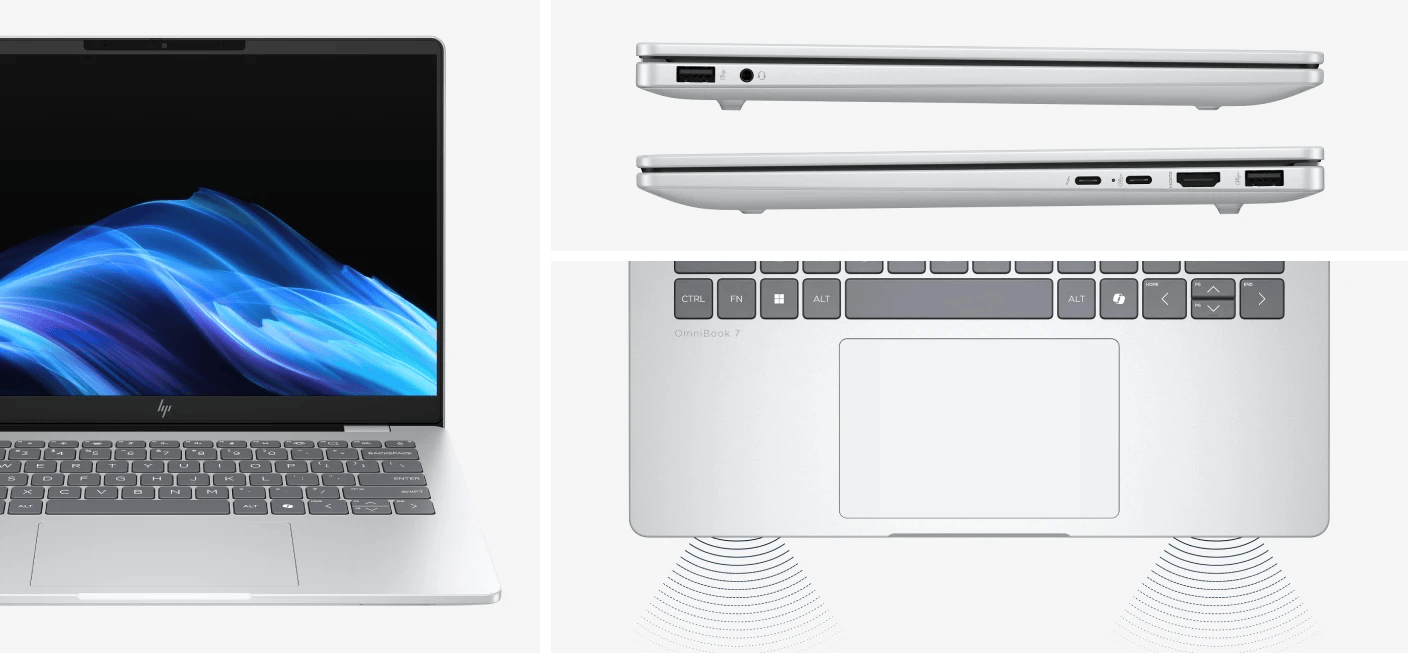
HP’s OmniBook 7 line sits a notch below the flagship Ultra 14, but the spec sheet doesn’t feel like a downgrade. It weighs 1.41kg in an aluminium chassis tested to MIL-STD durability standards, and the display is a 14-inch 3K (2880 x 1800) OLED panel in a 16:10 aspect ratio, running a 48-120Hz variable refresh rate with 400 nits SDR and 500 nits HDR brightness, full 100% DCI-P3 coverage, and a 0.2ms response time, which is genuinely one of the better screens at this price.
It’s powered by an Intel Core Ultra 5 225H with 16GB of LPDDR5-5200 onboard memory and a 1TB PCIe Gen4 NVMe SSD. The 68Wh, 4-cell Li-ion polymer battery supports fast charging to roughly 50% in 30 minutes, and for ports you get one Thunderbolt 4 connection running at 40Gbps with USB PD 3.1 and DisplayPort 2.1, one USB-C at 10Gbps with DisplayPort 1.4a, plus USB-A ports and an HDMI output.
There’s also a 5MP IR camera for Windows Hello, and Intel Wi-Fi 7 BE201 with Bluetooth 5 for connectivity. Unlike the Snapdragon laptops on this list, it runs full x86 Windows, so there’s zero app-compatibility guesswork. At the time of writing, the HP OmniBook 7 (14-fr0789TU) is available starting ₹1,03,490.
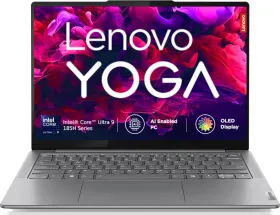
3. Asus Vivobook S14 (S3407CA-LY083WS)
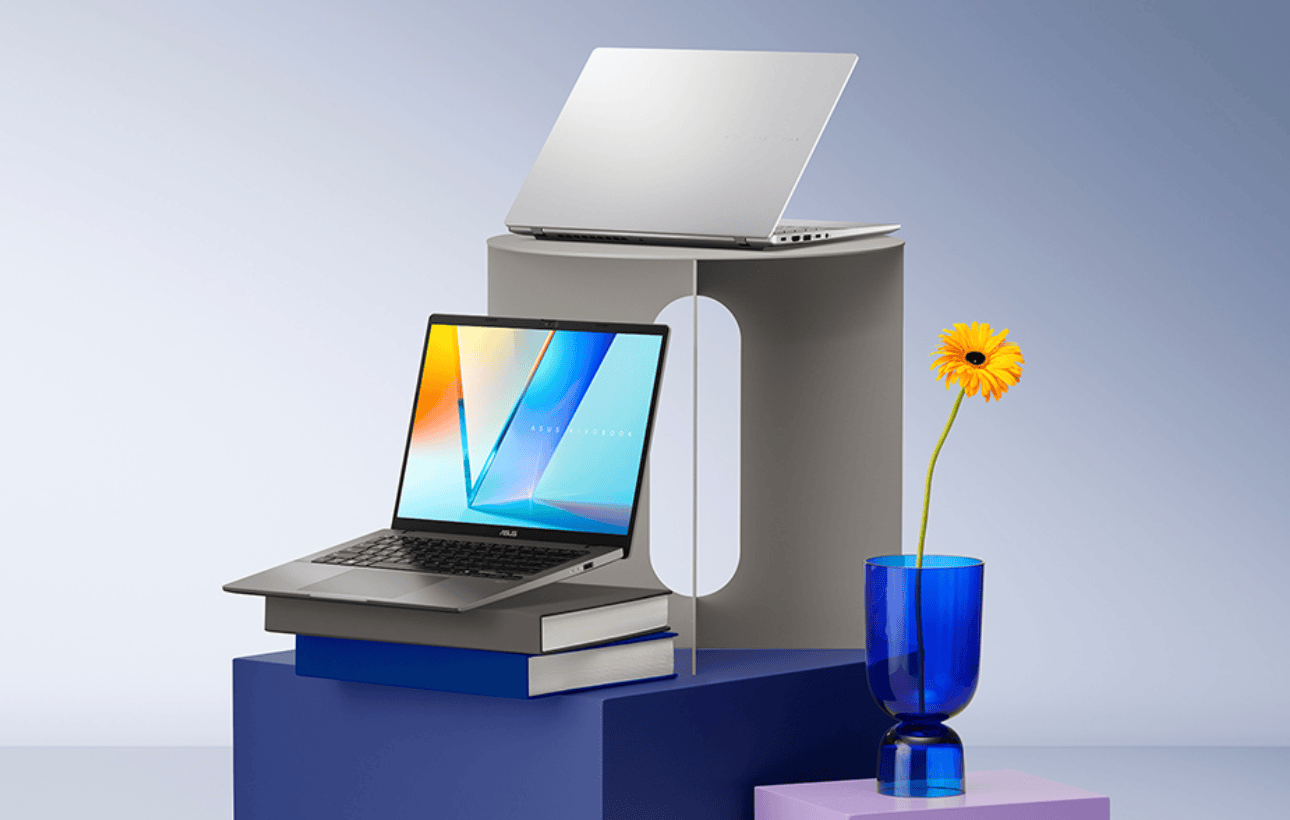
Asus’ Vivobook S-series has become one of the best value plays in the thin-and-light segment. It weighs 1.4kg in a Matte Gray metallic finish with a MIL-STD 810H rated chassis, though the display is the one obvious compromise on this list: a 14-inch WUXGA (1920 x 1200) panel in a 16:10 aspect ratio, capped at 60Hz refresh and 300 nits brightness, IPS-level and anti-glare with TÜV Rheinland low-blue-light certification and an 87% screen-to-body ratio, but no OLED and no high refresh rate.
That’s offset by an Intel Core Ultra 7 255H chip with 16 cores and 16 threads clocking up to 5.1GHz, an Intel AI Boost NPU rated at 13 TOPS, 16GB of DDR5 memory, and a 512GB M.2 NVMe PCIe 4.0 SSD. The 70Wh, 4-cell battery is one of the larger ones here, charging over 65W USB-C, and the port selection is generous for a laptop this thin: two USB 3.2 Gen 1 Type-A ports, two USB 3.2 Gen 1 Type-C ports that both support DisplayPort and Power Delivery, one HDMI 1.4 output, and a 3.5mm combo audio jack, alongside Wi-Fi 6 and Bluetooth 5.3.
It also has a backlit chiclet keyboard with a dedicated Copilot key and an FHD IR webcam with a privacy shutter. The battery capacity, port count, and MIL-STD build quality claw back a lot of what the middling display gives up. At the time of writing, the Asus Vivobook S14 (S3407CA-LY083WS) is available starting ₹88,990.
4. HP OmniBook 5 (2026, Snapdragon X)

If you want the Snapdragon X Elite platform specifically, for its battery-life reputation, this is the most affordable route into it from HP. It’s the lightest laptop on this list at 1.33kg, in a chassis just 13.6mm thick, and pairs a 14-inch 2K (1920 x 1200) OLED display, peaking at 300 nits with a 91% screen-to-body ratio, with a Qualcomm Snapdragon X chip (X1-26-100) carrying an NPU rated around 49 TOPS.
This particular configuration comes with 16GB of RAM and a 1TB SSD. The 59Wh battery is smaller on paper than some rivals here, but HP claims up to 21.5 hours of use out of it, with roughly 50% charge in 30 minutes over 65W fast charging, which is the whole appeal of the Snapdragon platform in the first place.
Ports run to two Thunderbolt 4 connections, two USB Type-A ports, and one HDMI output, with Wi-Fi 7 and Bluetooth 6 for wireless. This is the Copilot+ PC pick on this list, meaning it leans hard into on-device AI features and long unplugged runtime, at the cost of running Windows on ARM rather than native x86. At the time of writing, the HP OmniBook 5 (2026, Snapdragon X) is available starting ₹75,135.
A quick note on Windows on ARM
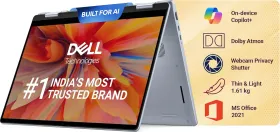
Of the four laptops above, only the HP OmniBook 5’s Snapdragon X configuration runs Windows on ARM. Most everyday apps run fine now, either natively or through Microsoft’s Prism emulation layer, but some older Win32 software, certain anti-cheat-protected games, and a chunk of niche developer tooling still don’t play perfectly nice. If your workflow leans on specific legacy Windows software, the Intel-based picks on this list, the OmniBook 7, the Vivobook S14, and the Dell XPS 13, sidestep that question entirely.
ALSO READ: M5 MacBook Air Review (Long-Term): Excellent Performance, Questionable Price After Hike
How do these alternatives compare to the MacBook Air M5?

On raw single-core performance, Apple silicon still leads convincingly. Beebom’s benchmark comparison between an Apple M4 Mac mini and a Snapdragon X Elite-powered Asus Vivobook S15 found the M4 scoring 54% faster in Geekbench single-core, and around 51% faster in 3DMark Wild Life Extreme graphics.
CPU-Monkey’s chip-to-chip comparisons back this up too, showing Apple’s single-core lead holding steady across M5 variants, even as multi-core performance between the two platforms stays much closer. Battery life is where the gap narrows, and in some cases like the HP OmniBook X, actually flips in Windows’ favour, per Tom’s Guide’s rundown testing.
If you want a MacBook specifically and don’t have the budget for the latest model, the M4 or M3 MacBook Air are still excellent options, provided they’re available at a good price.

You can follow Smartprix on Twitter, Facebook, Instagram, and Google News. Visit smartprix.com for the latest tech and auto news, reviews, and guides.