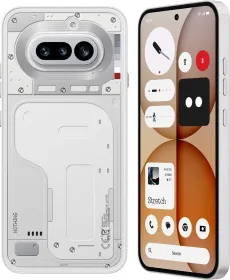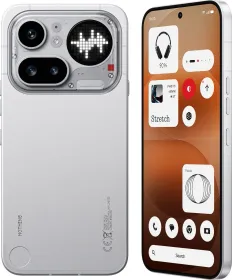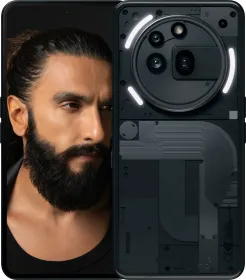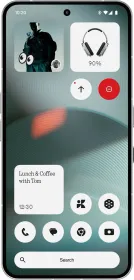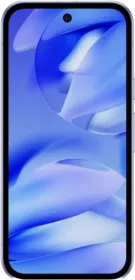


Nothing has always been good at making people pay attention. The transparent back, the LED lighting system, the Carl Pei launch theatrics, this is a company that understands how to create hype.
But hype and a good smartphone are not the same thing. Every year, the same question we ask: Does the hardware actually live up to the hype?
Carl Pei’s team took the wraps off the Phone (4a) alongside the Phone (4a) Pro at a launch event in London, barely a month after Nothing expanded its retail footprint in India with a flagship store in Bangalore and new service centres. The message is clear: India is a priority market for Nothing.
Nothing sent us the Phone (4a) ahead of launch. After using it as a daily driver for nearly two weeks and using its camera, playing games, and running synthetic benchmarks, here is my thoughts on the phone.
Nothing Phone (4a) Price & Availability
The Nothing Phone (4a) price in India starts at ₹31,999 for the 8GB + 128GB variant, while the 8GB + 256GB model is priced at ₹34,999 and the 12GB + 256GB variant costs ₹37,999.
As part of the launch offers, customers can avail bank discounts of up to ₹3,000, bringing the effective starting price down to ₹24,999 on March 13, 2026. The Nothing Phone (4a) will go on sale starting March 13 via Flipkart, Reliance Digital, Vijay Sales, Croma, and other leading retail stores across India.
Pros
- Outstanding 1.5K AMOLED display
- Periscope telephoto camera
- Clean and fast Nothing OS 4.1
- Reliable day-long battery life
- UFS 3.1 storage improves performance
Cons
- Fingerprint sensor is placed too low
- Bezels are thicker than they look on paper
- Ultrawide camera is underwhelming
- Selfie camera could be better
- No NFC support
- eSIM is limited to Japan only
Nothing Phone (4a) specifications
- Display: 6.78-inch LTPS flexible AMOLED display, 1224 x 2720 resolution (440 PPI), 30 Hz to 120 Hz adaptive refresh rate, up to 1,600 nits outdoor brightness and 4,500 nits peak brightness, Corning Gorilla Glass 7i protection.
- Processor: Qualcomm Snapdragon 7s Gen 4 chipset (4nm process).
- RAM: 8GB or 12GB LPDDR4X RAM.
- Storage: 256GB UFS 3.1 storage.
- Main Camera: 50MP Samsung GN9 wide sensor, 1/1.57-inch size, f/1.88 aperture, OIS & EIS, PDAF, 4K video at 30fps.
- Telephoto Camera: 50MP Samsung JN5 periscope sensor, 1/2.75-inch size, f/2.88 aperture, 3.5x optical zoom (7x lossless/in-sensor zoom), OIS & EIS, 80mm focal length equivalent.
- Ultra-wide Camera: 8MP Sony IMX355 sensor, f/2.2 aperture, 120° field of view.
- Front Camera: 32MP Samsung KD1 sensor, 1/3.42-inch size, f/2.2 aperture, 89° field of view, 1080p30
- Battery and Charging: 5,080mAh battery (5,400mAh in India) with 50W fast charging (0-100% in 64 minutes).
- Connectivity: 5G (Dual Mode NSA & SA), Wi-Fi 6, Bluetooth 5.4, USB Type-C, dual nano-SIM support, NFC with Google Pay support (except India).
- Audio: Dual-stereo speakers and two high-definition microphones.
- Haptics: Individually-tuned haptic patterns synced to the “Breathing Break” widget.
- Biometrics: In-display optical fingerprint sensor and face unlock.
- Build and Durability: Aluminum frame with clear glass back, IP64 certified, plus tested for submersion in 25cm of water for up to 20 minutes.
- Software: Nothing OS 4.1 based on Android 16 with 3 years of Android updates and 6 years of security patches.
- Weight and Dimensions: 204.5g; 163.95 x 77.57 x 8.55 mm.
Nothing Phone (4a) Review: Unboxing
Inside the box, Nothing includes the Phone (4a) handset, a USB-C to USB-C cable, a transparent case, a SIM ejector tool, and standard documentation. No charger or pre-applied screen protector.
Nothing Phone (4a) Review: Design and Build
Pick up the Phone (4a) in a room full of smartphones and people will ask about it. That has been true of Nothing hardware from the beginning, and it remains true here. The transparent back, exposed internal design elements, and the new Glyph Bar running along the rear make the phone instantly recognisable. At a price point where most phones blend together, that alone gives the Phone (4a) an identity.
The phone’s facade is dominated by its 6.78-inch display, which features a decent bezel size by 2026 standards.

The phone comes in Black, White, Blue, and Pink, and the Pink variant in particular looks surprisingly refined rather than flashy.
Build quality feels solid. The device uses a plastic frame sandwiched between glass layers, and at 204.5 grams, it is not the lightest phone in this category. However, the flat aluminium frame and slightly curved rear panel help distribute the weight well in the hand. The phone feels solid without becoming fatiguing during normal use, though extended one-handed usage can still feel a bit heavy. The overall ergonomics strike a balance between visual flair and practicality, something that Nothing seems to prioritise across its devices.


Nothing claims a 34 percent improvement in bend resistance compared to the Phone (3a). While that is difficult to verify outside a lab, the chassis feels rigid with no creaks or flex.
The front is protected by Corning Gorilla Glass 7i, which should handle everyday scratches and accidental drops without issue. The rear uses a fibre panel that provides good grip but can collect minor scratches over time. Fortunately, Nothing includes a clear protective case in the box.


ne noticeable change is the Essential Key, which has moved from the right side to the left frame.
Previously, it sat too close to the power button, causing accidental presses. The new placement makes it easier to distinguish. After a few days of use, finding it without looking becomes second nature.
Glyph Bar
The Phone (4a) introduces a redesigned Glyph Bar containing 63 mini-LEDs arranged in seven segments.

Six segments use Nothing’s signature white lighting, while the seventh includes a red indicator light used during video recording and voice capture. The bar can display notifications, timers, call alerts, volume levels, and progress indicators.

It also syncs with ringtones and certain system actions. It’s considerably brighter this year, peaking at around 3,500 nits, and visually it looks fantastic.
In daily use, however, the story is mixed. The idea is appealing, being able to track things like a timer, an Uber ride, or a delivery without unlocking the phone. But after two weeks, the Glyph Bar felt more like a design signature than a genuinely useful productivity tool.
Durability & Connectivity
The Phone (4a) has an IP64 rating, meaning it can withstand splashes and dust but is not designed for submersion. Some competitors at this price, like Samsung’s mid-range devices, offer IP67 or IP68 protection, which is worth noting.

Connectivity is mostly solid, but one omission stands out. There is no NFC support, meaning contactless payments are not available. In 2026, that feels like an odd limitation.
Nothing Phone (4a) Review: Display
The display is where the Phone (4a) makes its strongest argument. Nothing has upgraded to a 6.78-inch flexible AMOLED panel with a 1.5K resolution (1224 × 2720). At 440 pixels per inch, text is sharp, photos look detailed, and the overall quality feels a clear step above what this price usually delivers.

Brightness is excellent. At 1,600 nits in everyday use means you are not squinting outdoors, and a peak of 4,500 nits in HDR content means highlights actually pop the way they are supposed to. Colours are accurate without being overcooked; the panel does not push saturation to make photos look artificially vivid. The 2,160Hz PWM dimming reduces screen flicker, which matters if you use the phone late at night at low brightness.
Since its an LTPS panel, the adaptive refresh rate runs between 30Hz and 120Hz, depending on what is on screen, balancing smoothness with battery efficiency. In use, the display feels consistently responsive.
Nothing Phone (4a) Review: Speakers and Haptics

The Phone (4a) features stereo speakers, and overall audio performance is respectable. The speakers get reasonably loud and maintain a balanced sound profile for casual media consumption. The tuning leans slightly toward higher frequencies, which makes dialogue in videos and podcasts clear.
Nothing Phone (4a) Review: Software
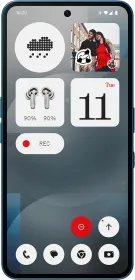
The Phone (4a) ships with Nothing OS 4.1 based on Android 16. Nothing’s approach to software is refreshingly simple. The interface is clean, visually consistent, and free from unnecessary third-party apps.
The company promises: 3 years of Android updates and 6 years of security updates. That update policy is decent, though several competitors now offer four Android upgrades.
Nothing OS also includes a Smart App Drawer, which automatically categorises applications into groups such as social, productivity, entertainment, and tools. It’s a small quality-of-life feature, but one that makes navigating a large number of apps slightly easier over time.
Essential Space
The standout feature remains Essential Space, a central hub that collects screenshots, notes, voice recordings, and other captured content. Press the Essential Key, and the system stores whatever you capture in this space. AI then categorises and summarises the information.

For users who deal with a lot of notes, meetings, and research material, this feature can become genuinely useful once the habit forms.
There are a few limitations, though. Voice processing relies on AI models and currently has a monthly processing limit of 300 minutes. Nothing is also working on a web version of Essential Space, allowing users to access their captured content from a browser.
AI Features
Nothing has also added a few AI-powered features that feel increasingly common across modern Android phones. Tools like Circle to Search, AI-powered photo editing, and contextual suggestions through Google Gemini integration make their way into the software experience. There are also image editing tools like reflection removal and object cleanup, though these features feel more like helpful utilities rather than headline innovations.
Nothing Phone (4a) Review: Biometrics

The Nothing Phone 4(a) features an optical fingerprint scanner that sits too low on the display. Every time you unlock the phone, your thumb instinctively lands slightly above the sensor. It is not a dealbreaker, but it is an irritation you notice dozens of times a day. Performance-wise, the figure print sensor is fast and accurate.
Nothing Phone (4a) Review: Performance
Powering the Phone (4a) is the Snapdragon 7s Gen 4, built on a 4nm process, and it is a genuine step up from the Snapdragon 7s Gen 3 in last year’s Phone (3a). The other big upgrade is storage. The Phone (3a) used UFS 2.2, which is a slower, cheaper option and it showed. The Phone (4a) upgrades to UFS 3.1, and the difference in app load times and file handling is real.
The Phone (4a) is available with 8GB or 12GB of LPDDR4X RAM, paired with 128GB or 256GB UFS storage. In everyday use, the phone feels consistently smooth. Apps launch quickly, multitasking is fluid, and Nothing OS animations remain stable even with multiple apps open.
For most users, the base configuration is perfectly adequate for daily multitasking, but the 12GB variant offers a bit more breathing room if you tend to keep a lot of apps open in the background.
Synthetic Benchmarks
Below are the synthetic benchmark results from my unit. These numbers reflect the phone’s positioning clearly.
| Benchmark | Nothing Phone (4a) (Snapdragon 7s Gen 4) |
| AnTuTu Score | 1142101 |
| Storage (Score, Sequential Read Speed, Write Speed) | 129296; Sequential Read: 2162.9 MB/s; Sequential Write: 13839 MB/s |
| Geekbench 6 CPU (Single-Core, Multi-Core) | Single-Core: 1223; Multi-Core: 3242 |
| Geekbench 6 GPU (OpenCL, Vulkan) | OpenCL: 3385; Vulkan: 5679 |
| 3DMark Wildlife Extreme (Score, Avg FPS) | Score: 1506; Average FPS: 9.02 |
| 3DMark Wildlife Extreme Stress Test (Best Loop, Lowest Loop, Stability) | Best Loop: 1507; Lowest Loop: 1500; Stability: 99.5% |
BGMI runs fine and is the most playable title on this device. You can achieve 90fps gameplay and the thermals stay under control. Beyond BGMI, expectations should be kept in check. Genshin Impact runs, but only at an average of 44fps, which is not good. CODM runs at 90fps, and is also playable with an average of 89fps.
During extended gaming sessions or heavy multitasking, the phone does warm up slightly, especially around the camera module area. However, the temperature increase remains manageable and never reaches uncomfortable levels. Even after about half an hour of gaming, the device maintains stable performance without aggressive throttling.
Nothing Phone (4a) Review: Cameras
Nothing has introduced something rare in this price segment: a periscope telephoto camera. The 50MP Samsung JN5 sensor with 3.5x optical zoom and OIS delivers sharp, stable shots at distance, and the 80mm equivalent focal length is widely considered the most flattering range for portraits.
The 7x in-sensor lossless zoom extends the reach further without a visible quality drop. Go beyond that, and you are in digital territory, but up to about 15x, the results are usable. The 70x maximum digital zoom is a marketing number.

Main Camera
The main camera is a 50MP Samsung GN9 with a 1/1.57-inch sensor and OIS. A larger sensor captures more light, which translates directly to sharper photos in low light and better handling of high-contrast scenes a bright window in a dim room, for example.


The TrueLens Engine 4 processing, developed alongside Google’s Ultra XDR system, combines multiple exposures to produce images that look closer to what your eye actually saw. In practice, daylight shots are detailed and natural. Low-light performance is improved significantly over the previous generation.


Low-light performance is usable. Noise reduction doesn’t go overboard, which helps preserve some detail, but highlights can look harsh, and HDR struggles more in mixed lighting. Processing also feels slower, with noticeable delays after capturing photos.


3.5X Telephoto
The telephoto camera performs okay-ish in daylight. There’s noticeable oversharpening, and the viewfinder looks horrible when taking photos. If you don’t mind the sharpening, digital zoom is usable up to around 7X. Beyond that, AI processing becomes aggressive. There is no telemacro support, and the minimum focus distance is around 30cm.


Portrait mode is one of the better parts of this camera. The 3.5X telephoto camera takes pleasing portraits with nice background blur and good subject separation. You can smoothly zoom from 1X to 3.5X in portrait mode.
Skin tones are generally good, and edge detection works well most of the time. Color consistency between the main and telephoto cameras is not good, and shifts are noticeable when switching lenses.
Ultra-wide
The 8MP ultrawide camera (119.5-degree field of view) is the weakest of the three. It is fine for architecture and group photos in good light, but in lower light it loses detail and softens noticeably.

Selfie
The Phone (4a) features a 32MP front camera, which performs well in good lighting conditions. Selfies come out sharp with decent dynamic range, though skin tones can sometimes lean slightly cooler than expected.
Indoor lighting softens fine facial details a bit, but overall, the front camera is reliable for video calls and social media posts. Portrait selfies work reasonably well too, although edge detection can occasionally struggle with complex backgrounds.
Video
Video records at up to 4K/30fps with optical and electronic stabilisation combined. Footage is smooth and well-exposed, with dynamic range that holds up in challenging lighting. For casual video and social media, it is more than adequate.
Nothing Phone (4a) Review: Battery Life and Charging
The Phone (4a) includes a 5,080mAh battery globally and a 5,400mAh battery in India. In real-world use over two weeks, the phone delivered around 5 to 6 hours of screen-on time, depending on usage. For most users, that translates to a full day of moderate use.
Charging speeds reach 50W, which takes the phone from empty to 50% in about 22 minutes and 100% in roughly litle over an hour. Unfortunately, there is no charger in the box, meaning buyers must purchase a compatible adapter separately.
Review Verdict: Should You Buy the Nothing Phone (4a)?
The Nothing Phone (4a) is doing stuff mid-range phones usually don’t, like a periscope zoom camera, a super bright 1.5K AMOLED screen, speedy UFS 3.1 storage, and a snazzy new Snapdragon chip. But it also asks users to give a little too.
The Glyph Bar looks great but takes time to become useful. The fingerprint sensor sits too low on the display. The ultrawide and selfie cameras are merely average. And at Rs 32,999 with no charger included, the price deserves careful consideration.
Who Should Buy This Phone and who should not? Well, if you buy into Nothing’s distinctive design philosophy, thoughtful software, and a slightly different approach to smartphones, the Phone (4a) is easy to recommend. If you only care about raw specifications, some competitors may offer better value.
But none of them combine this display and a periscope zoom camera in the same package at this price. And that is what ultimately makes the Phone (4a) stand out.

Smartprix ⭐ Rating: 8.1/10
- Design and Build: 8.3/10
- Display: 8.2/10
- Software: 8.4/10
- Haptics: 7.8/10
- Biometrics: 7.8/10
- Performance: 7.9/10
- Cameras: 8/10
- Battery Life & Charging:7.8/10
First reviewed in March 2026.