

Oppo Find X9 Pro vs. iPhone 17 Pro: Table of Contents
Spending over a lakh rupees on a smartphone in 2025 is no longer just about specs. It’s about picking the kind of experience you want to live with for the next few years. The Oppo Find X9 Pro and the iPhone 17 Pro define the concept of a “flagship” from very different perspectives.
One goes all in on size, battery life, fast charging, and feature-rich software (I’m talking about the Find X9 Pro), while the other bets on refinement, raw performance, and an ecosystem that just works (of course, I’m talking about the iPhone 17 Pro). Both phones promise no compromises, but they do so in different ways.
If you’re stuck choosing between Android’s flexibility and Apple’s polish, this comparison should help clear things up.
Also Read: OPPO Find X9 Review: A Great Find if You Know What You’re Looking For
Oppo Find X9 Pro vs. iPhone 17 Pro: Design
| Oppo Find X9 Pro | iPhone 17 Pro | |
| Dimensions | 161.3 x 76.5 x 8.3 mm | 150 x 71.9 x 8.8 mm |
| Weight | 224 grams | 206 grams |
| Material | Victus 2 / Aluminum / Glass | Ceramic Shield 2 / Aluminum / Aluminum + Glass |
| IP Rating | IP68/IP69 (up to 1.5m for 30 minutes) | IP68 (up to 6m for 30 minutes) |
| Colors | Silk White, Titanium Charcoal, Velvet Red | Silver, Cosmic Orange, Deep Blue |
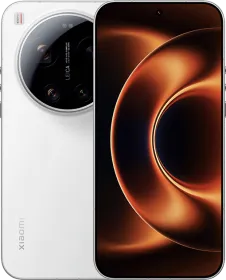
The Find X9 Pro and the iPhone 17 Pro belong to two different segments. While the former is a big-screen flagship with a larger footprint and isn’t meant for single-handed use, the latter has a compact form factor and is easily pocketable.
Despite being larger, the Find X9 Pro is the slimmer of the two. At the same time, the iPhone 17 Pro is lighter than the other phones. Regarding materials, both the phones rely on a classic flagship formula: use glass on the front (Victus 2 on the Find X9 Pro and Ceramic Shield 2 on the iPhone), aluminum for the frame (and a portion of the back panel on the iPhone), and an unprotected glass back.


The Find X9 Pro features a superior IP rating, making the phone capable of surviving high-pressure water jets; however, the iPhone 17 Pro, with its IP68 rating, can withstand immersion in up to 6 meters of freshwater for up to 30 minutes. Colors are always subjective, and both phones come in three gorgeous shades, I’d say.
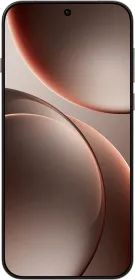
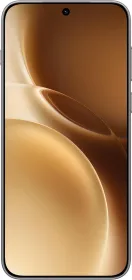
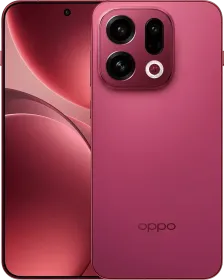
In terms of its visual design, the Find X9 Pro features a rectangular rear camera module, a punch-hole display on the front, and symmetrical bezels around the display. On the other hand, the iPhone 17 Pro features a radical rear camera layout, with triangular camera sensors on the left. On the front, the phone features a pill-shaped camera module, which also houses the Face ID sensors.
Oppo Find X9 Pro vs. iPhone 17 Pro: Display


| Oppo Find X9 Pro | iPhone 17 Pro | |
| Display Size | 6.78-inch | 6.3-inch |
| Aspect Ratio | 19.5:9 | 19.5:9 |
| Technology | LTPO AMOLED | LTPO Super Retina XDR OLED |
| Resolution | 2772 x 1272; 450ppi | 2622 x 1206; 460ppi |
| Refresh Rate | 1-120Hz | 1-120Hz |
| Peak Brightness | 1800 nits (HBM), 3600 nits (Peak) | 1600 nits (HBM), 3000 nits (Peak) |
| Dimming | 2160Hz | 480Hz |
| HDR Formats | Dolby Vision, HDR10+ | Dolby Vision, HDR10 |
Right off the bat, the Find X9 Pro features a larger 6.78-inch LTPO AMOLED screen with a maximum refresh rate of 120Hz, a pixel density of 450 ppi, and peak brightness of 3,600 nits. Furthermore, it supports 2,160Hz PWM dimming, which makes the screen more comfortable for the eyes. The screen also supports multiple high-dynamic-range formats, including HDR10+, Dolby Vision, and HDR Vivid.
On the other hand, the iPhone 17 Pro features a much smaller 6.3-inch LTPO Super Retina XDR OLED screen with a similar refresh rate (1-120Hz; ProMotion display), a slightly higher pixel density (460 ppi), but a lower peak brightness of 3,000 nits. However, Apple still has a long way to go in terms of dimming rates, making the screen slightly less eye-friendly (at least on paper).
Oppo Find X9 Pro vs. iPhone 17 Pro: Performance
| Oppo Find X9 Pro | iPhone 17 Pro | |
| Chipset | Dimensity 9500 | Apple A19 Pro |
| Manufacturing Process | TSMC’s N3P 3nm | TSMC’s N3P 3nm |
| Core Configuration | 8 cores: 1 x 4.21 GHz prime core + 3 x 3.50 GHz performance cores + 4 x 2.7 GHz efficient cores | 8 cores: 2 x 4.26 GHz primecore + 4 x 2.60 GHz balanced cores |
| GPU | Arm G1-Ultra | Apple GPU |
| NPU / AI Processing | Qualcomm Hexagon NPU for over 45% faster AI performance over the prior generation | Apple 16-core Neural Engine |
| Memory / Storage | LPDDR5X + UFS 4.1 | LPDDR5X + NVMe |
| Connectivity | Wi-Fi 7, Bluetooth v5.4 | Wi-Fi 7, Bluetooth v6.0 |
While the Find X9 Pro has a larger and brighter screen, the iPhone 17 Pro excels in performance. Now, regular users who’re getting a flagship and will use it for day-to-day tasks such as browsing through the internet, reading and sending emails, scrolling through social media, playing a couple of games, and recording photos or videos won’t notice a significant difference. Both phones provide buttery-smooth performance across all these aspects.
But if you’re a power user who edits 4K videos on the go and relies heavily on multitasking, then iPhone 17 Pro could be the better choice for you. This is primarily because the A19 Pro chip offers greater processing headroom than the Dimensity 9500 SoC. In the GeekBench 6 CPU benchmark, the Find X9 Pro’s single- and multi-core scores (3,270/9,644) are lower than the iPhone 17 Pro’s (3,899/10,021).


Although benchmark scores do not reflect a smartphone’s everyday performance, they do indicate its peak capabilities and how it will age in terms of performance. When it comes to gaming performance (read it “optimization”), the Find X9 Pro should perform slightly better by enabling peak 120 FPS modes on smartphones, primarily due to its better thermal headroom and sustained performance on Android flagships, which can help maintain peak 120 FPS modes for longer gaming sessions.
In that context, the iPhone 17 Pro’s A19 Pro chip offers greater long-term headroom, while the Find X9 Pro counters with strong sustained gaming performance. For most users, though, performance alone won’t be the deciding factor—and other aspects like cameras, battery life, and ecosystem integration will matter far more.
Oppo Find X9 Pro vs. iPhone 17 Pro: Operating System
| Oppo Find X9 Pro | iPhone 17 Pro | |
| Operating System | Android 16 | iOS 26 |
| User Interface | ColorOS 16 | Liquid Glass |
| Key Features | Extensive UI customization, split-screen multitasking, floating windows, advanced notification controls, deep system-level tweaks | Tight ecosystem integration, consistent UI behavior, strong privacy controls, seamless continuity with Apple devices |
| AI-Based Features | On-device AI image editing, smart photo cleanup, AI summaries, contextual system suggestions, and generative wallpapers | System-wide Apple Intelligence features, AI writing tools, on-device image generation, smarter Siri interactions, and privacy-focused AI processing |
| Software Update Policy | 5 OS + 6 years security updates | ~ 5 OS + long-term security patches |
On the Find X9 Pro, ColorOS 16 appears refined, fluid, and consistent throughout the system. Out of the box, the device ships with almost no bloatware (though a couple of useful apps are present). You get an improved layout for quick settings, useful features like Snap Key (for capturing and storing information), AI-based features like Mind Space (like a visual memory board) with Gemini integration, AI LinkBoost for improving network reliability, AI Recorder, AI Scan, and the rest of Oppo’s AI toolkit, which includes a dozen useful features.


Apple’s iPhone 17 Pro ships with iOS 26 out of the box, which was the first firmware to introduce heavy usage of transparent layers that reflect and refract light like real glass (what Apple calls the “Liquid Glass” design interface). The handset also features smoother animations and responsive system elements. Multitasking, notifications, and system navigation remain familiar but more polished. Alongside Apple Intelligence features (though far fewer in number), Apple Intelligence is tightly integrated across the operating system.
The iPhone 17 Pro offers a cohesive and highly optimized operating system, but its AI feature set remains relatively conservative in scope. In contrast, the Find X9 Pro leverages Android’s flexibility to provide a more practical AI toolkit.
Also Read: iPhone 17 Pro vs. vivo X300 Pro vs. OPPO Find X9 Pro: Leaks Reveal the Ultimate Camera Showdown
Oppo Find X9 Pro vs. iPhone 17 Pro: Cameras
| Oppo Find X9 Pro | iPhone 17 Pro | |
| Primary Camera | 50MP (f/1.5, 1/1.28″, OIS) | 48MP (f/1.8, 1/1.28″, sensor-shift OIS) |
| Video Resolution / Format | 4K120, Log video | 4K120, Dolby Vision HDR (120 fps), ProRes RAW (120 fps), Apple log 2 |
| Secondary Camera | 200MP (f/2.1, 1/1.56″, OIS) 3x optical zoom | 48MP (f/2.8, 1/2.55″, 3D sensor‑shift OIS) for 4x optical zoom |
| Tertiary Camera | 50MP (f/2.0, 1/2.76″, 120˚) with PDAF | 48MP (f/2.2, 1/2.55″, 120˚) with PDAF |
| Selfie Camera | 50MP (f/2.0, 1/2.76″) with PDAF | 18MP multi-aspect (f/1.9) with PDAF |
| Video Resolution | 4K60 | 4K60 |
On paper, the Find X9 Pro features a brighter primary camera with a lower aperture, but Apple’s sensor-shift stabilization has generally outperformed the optical image stabilization on Android flagships. Even otherwise, the iPhone offers greater versatility in the video formats it supports (listed above), making it the better choice for professionals.
Regarding the zoom camera, the Find X9 Pro offers a better 200MP sensor (both sharper and larger), which provides superior optical-quality zoom at 6x and 12x, and a higher hybrid zoom range (up to 120x). On the other hand, the iPhone 17 Pro’s relatively smaller 48MP camera provides 4x optical zoom, 8x optical-quality zoom, and a maximum of 40x hybrid zoom.


Both phones feature ultrawide cameras with autofocus, with the iPhone’s sensor slightly larger. However, Apple’s Center Stage 18MP front camera (across the iPhone 17 lineup) redefined selfies for smartphones, something that Android manufacturers could soon adopt. While I’ve covered the square-shaped camera in my iPhone 17 review, it offers an exceptionally wide field of view and lets you capture selfies in multiple aspect ratios.
Oppo Find X9 Pro vs. iPhone 17 Pro: Battery Capacity & Charging Rate
| Oppo Find X9 Pro | iPhone 17 Pro | |
| Battery Capacity | 7,500 mAh Si/C | 4,252 mAh (eSIM only) / 3,998 mAh (nano SIM) |
| Charging Speed | 80W wired, 50W wireless, 10W reverse wireless | ~ 40W wired, 25W MagSafe/Qi2, 4.5W reverse wired |
In our review of the Find X9 Pro, the smartphone provided around 10-13 hours of screen-on time, and a full charge takes a little less than an hour. On the other hand, the iPhone 17 Pro, with almost half the battery capacity of the Find X9 Pro, manages to provide around seven to eight hours of screen-on time, and takes around 80 minutes for a complete charge.
Also Read: Find X9 vs. OnePlus 15 vs. Pixel 10: Which Android Flagship Is Right For You?
Oppo Find X9 Pro vs. iPhone 17 Pro: Price & Conclusion
Oppo Find X9 Pro Price

The Find X9 Pro is what you’d call a complete flagship in 2025 (and 2026). The phone features a large screen with a 120Hz refresh rate, flagship-grade performance sufficient for most users, a 200MP telephoto camera for greater zoom flexibility, and a battery that should last over a day of light to moderate use. ColorOS 16 feels mature and thoughtfully designed, and Oppo’s AI features are genuinely useful rather than gimmicky. The only real compromise, however, could be the phone’s size (applicable only to some buyers) and slightly lower peak brightness.
Given that the phone is much less expensive than the iPhone 17 Pro, it certainly offers more value for your money. You can get the Find X9 Pro’s 512GB variant at Rs. 1,09,999, while the 512GB variant of the other phone costs over Rs. 1,50,000.
iPhone 17 Pro Price

- iPhone 17 Pro (256GB): Rs. 1,34,900
- iPhone 17 Pro (512GB): Rs. 1,54,900
- iPhone 17 Pro (1TB): Rs. 1,74,900
The iPhone 17 Pro plays to Apple’s usual strengths. It’s compact, powerful, and reliable. If you want a compact flagship with top-tier performance and the best-in-class video recording, the iPhone 17 Pro is the phone for you. iOS 26 feels smoother and more refined than ever, even if Apple’s AI features remain conservative compared to Android rivals. That said, the smaller battery, slower charging, and premium pricing make it less forgiving as a pure hardware value.
If you’re already in the Apple ecosystem, the iPhone 17 Pro is a no-brainer, but otherwise, the Find X9 Pro makes more sense as a complete flagship in 2026.

You can follow Smartprix on Twitter, Facebook, Instagram, and Google News. Visit smartprix.com for the latest tech and auto news, reviews, and guides.