

Redmi Pad 2 Pro vs OnePlus Pad Go 2: Table of Contents
At first glance, the Redmi Pad 2 Pro and the OnePlus Pad Go 2 seem to be competing in the same space. Both are large mid-range Android tablets with high-refresh-rate displays, modern designs, and long-term software support. But once you spend a little time looking past the headline specs, their differences become more apparent.
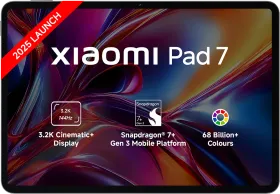
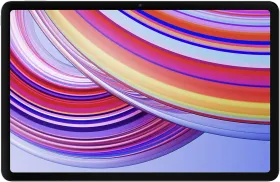
The Redmi Pad 2 Pro is clearly focused on delivering maximum value. It brings a bigger battery, sturdier build quality, stronger raw performance, and more aggressive pricing, especially if you want 5G without stretching your budget. The OnePlus Pad Go 2, on the other hand, leans toward refinement.
Also Read: realme 16 Pro+ vs. vivo V60: Which Snapdragon 7 Gen 4 Phone Wins For You?
Redmi Pad 2 Pro vs. OnePlus Pad Go 2: Design

| Redmi Pad 2 Pro | OnePlus Pad Go 2 | |
| Dimensions | 279.8 x 181.7 x 7.5 mm | 266 x 192.8 x 6.8 mm |
| Weight | 600 or 610 or 620 grams | 597 or 599 grams |
| Material | Gorilla Glass 3 front / Aluminum alloy frame / Aluminum back | Glass front / Metallic frame / Polycarbonate back |
| IP Rating | IP53 | – |
| Colors | Graphite Gray, Silver, Lavender Purple, Matte Glass Version | Shadow Black, Lavender Drift |
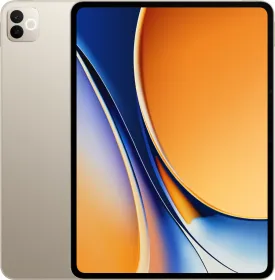
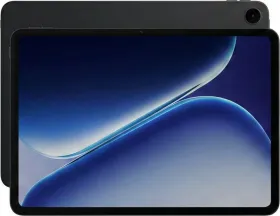
Both tablets share a similar design approach: symmetrical front bezels, a functional frame, and a rear-facing camera. Despite featuring a similar screen size, the OnePlus Pad Go 2 has a higher screen-to-body ratio (86.8% vs. 83.5%), giving it a modern, contemporary look. It is also the simmer of the two tablets.
However, the Redmi Pad 2 Pro appears to be the more robust choice, primarily because of the Gorilla Glass 3 front panel, an aluminum rear panel, and an IP53 rating (for limited protection against dust and water spray). Even otherwise, the Redmi tablet comes in more colors.
Finally, the Redmi tablet offers more color options than the OnePlus.
Also Read: OnePlus Pad Go 2 Review: A Mid-Range Android Tablet Done Right (Mostly)
Redmi Pad 2 Pro vs. OnePlus Pad Go 2: Display
| Redmi Pad 2 Pro | OnePlus Pad Go 2 | |
| Display Size | 12.1-inch | 12.1-inch |
| Aspect Ratio | 16:10 | |
| Technology | IPS LCD | IPS LCD |
| Resolution | 2560 x 1600 pixels (249 ppi) | 2800 x 1980 pixels (283 ppi) |
| Refresh Rate | 120Hz | 120Hz |
| Peak Brightness | 600 nits | 900 nits |
| Dimming | – | – |
| HDR Formats | Dolby Vision | Dolby Vision |
| Colors | 1B | 68B |
Although both tablets use the same display technology (IPS LCD), the OnePlus Pad Go 2 offers higher resolution and peak brightness. I’ve used the Pad Go 2 in person, and its screen appears to be pleasantly vibrant indoors.

The colors and dynamic range are excellent, but the viewing angles could be improved. However, even with a peak brightness of 900 nits, the screen isn’t very impressive outdoors, especially under direct sunlight. The Redmi Pad 2 Pro, with a 600 nits display, should be less visible.
Finally, both tablets have a quad-speaker setup.
Redmi Pad 2 Pro vs. OnePlus Pad Go 2: Performance
| Redmi Pad 2 Pro | OnePlus Pad Go 2 | |
| Chipset | Snapdragon 7s Gen 4 | Dimensity 7300 Ultra |
| Manufacturing Process | 4nm | 4nm |
| CPU Configuration | 1 x 2.7 GHz Cortex-A720 + 3 x 2.4 GHz Cortex-A720 + 4 x 1.8 GHz Cortex-A520 | 4 x 2.5 GHz Cortex-A78 + 4 x 2.0 GHz Cortex-A55 |
| GPU | Adreno 810 | Mali-G615 MC2 |
| NPU / AI Processing | Hexagon NPU | |
| Memory / Storage | LPDDR4X + UFS 2.2 | LPDDR5X + UFS 3.1 |
| Connectivity | 5G, Wi-Fi 6, Bluetooth v5.4 | 5G, Wi-Fi 6, Bluetooth v5.4 |
Powering the Redmi Pad 2 Pro is the Snapdragon 7s Gen 4 (4nm) SoC, one of the most popular and capable chipsets in the segment. The octa-core chipset scores around 1100/3300 points in the single/multi-core Geekbench 6 CPU test, compared to the 994/2961 points we achieved on the Pad Go 2, which features the Dimensity 7300 Ultra chipset.

While the difference in performance shouldn’t be apparent while performing the basic, run-of-the-mill tasks like browsing the internet, watching YouTube videos, streaming content on Netflix, or taking notes on the devices, it should show up when you try to use two apps together in the multitasking view, use one app in the PiP and the other in the background, or play video games.
Both tablets come with up to 8GB of RAM and 256GB of storage. Interestingly, the Pad Go 2, despite its less powerful chipset, features higher RAM and storage capacities, which slightly improve performance. That said, the Redmi Pad 2 Pro should feel more responsive.
Also Read: Xiaomi 17 Ultra vs. vivo X300 Pro: Which Camera-Centric Flagship Actually Makes Sense For You?
Redmi Pad 2 Pro vs. OnePlus Pad Go 2: Operating System
| Redmi Pad 2 Pro | OnePlus Pad Go 2 | |
| Operating System | Android 15 | Android 16 |
| User Interface | HyperOS 2 | OxygenOS 16 |
| Software Update Policy | 5 OS + 7 Years Security Updates | 5 OS + 6 Years Security Updates |

Redmi’s latest mid-range tablet ships with HyperOS 2.0 based on Android 15. It offers a smooth, responsive user interface and a surprisingly strong long-term support commitment. You get features like split-screen for running two apps side by side, deep ecosystem integration that lets you easily share files and control your Redmi phone from the tablet, and the productivity-oriented Mi Canvas.
The tablet also offers a range of AI features, including AI Erase, AI Sky, AI Expand, AI Recognize Text, and the popular Google Gemini features: Gemini AI assistant and Circle to Search. However, bloatware still remains an issue on entry-level and mid-range Redmi devices.

On the other hand, OxygenOS 16, based on the latest Android version, offers a clean and responsive user interface with fluid animations and enhanced multitasking features (thanks to Open Canvas, which lets you use two apps in split-screen view and another in a floating window).
Besides, you also get AI-based features, including AI Writer, AI Recorder, and other Google-powered smart tools. Even though a 5+6-year software commitment is pretty good (considering other tablets in the segment), Redmi’s promise of 5+7 years remains superior.
Redmi Pad 2 Pro vs. OnePlus Pad Go 2: Cameras

| Redmi Pad 2 Pro | OnePlus Pad Go 2 | |
| Primary Camera | 13MP (f/2.2) | 8MP |
| Video Resolution | 1080p60 | 1080p30 |
| Front Camera | 8MP (f/2.28) | 8MP |
| Video Resolution | 1080p30 | 1080p30 |
The Redmi Pad 2 Pro 5G comes with a slightly better rear camera than the OnePlus Pad Go 2. Not only can it capture photos at higher resolution, but it can also record 1080p videos at 60 fps, compared to 30 fps on the Pad Go 2. The selfie camera, however, remains similar on both tablets.
It is worth noting that the Wi-Fi-only variant of the Pad 2 Pro features an 8MP rear-facing camera that records 1080p video at 30 fps.
Redmi Pad 2 Pro vs. OnePlus Pad Go 2: Battery Life

| Redmi Pad 2 Pro | OnePlus Pad Go 2 | |
| Battery Capacity | 12,000 mAh | 10,050 mAh |
| Charging Speed | 33W, PD 3.0, QC3+, 27W reverse wired charging | 33W SUPERVOOC |
Again, the Redmi Pad 2 Pro is the clear winner in battery life. With a 10,050 mAh battery, the OnePlus Pad Go 2 provides about 12 hours of screen-on time in our review. Even though it has a more powerful chipset, the Redmi Pad 2 Pro’s 12,000 mAh battery should last longer between charges.
When it comes to charging speed, though, both tablets support 33W wired input. If you charge other devices, such as a smartphone or TWS earbuds, on your tablet, you’ll get a better experience on the Redmi tablet.
Redmi Pad 2 Pro vs. OnePlus Pad Go 2: Accessories

| Redmi Pad 2 Pro | OnePlus Pad Go 2 | |
| Keyboard Case | Redmi Pad Pro 2 Keyboard: Rs. 3,999 | – |
| Regular Case | Redmi Pad 2 Pro Cover: Rs. 1,499 | OnePlus Pad Go 2 Folio Case: Rs. 1,499 |
| Stylus | Redmi Smart Pen: Rs. 3,999 | OnePlus Pad Go 2 Stylo: Rs. 3,999 |
Redmi Pad 2 Pro vs. OnePlus Pad Go 2: Price & Conclusion
Redmi Pad 2 Pro 5G Price

- Redmi Pad 2 Pro (6GB + 128GB, Wi-Fi): Rs. 21,999
- Redmi Pad 2 Pro (8GB + 128GB, 5G): Rs. 24,999
- Redmi Pad 2 Pro (8GB + 256GB, 5G): Rs. 26,999
If you’re looking for an affordable 5G tablet under Rs. 30,000 that offers a robust design, powerful performance, a decent camera setup, but, more importantly, a massive battery, the Redmi Pad 2 Pro 5G could be the ideal option for you. The tablet will be available in India starting January 12, 2026, via Amazon, Flipkart, and Xiaomi’s official website.
OnePlus Pad Go 2 Price

- OnePlus Pad Go 2 (8GB + 128GB, Wi-Fi): Rs. 26,999
- OnePlus Pad Go 2 (8GB + 256GB, Wi-Fi): Rs. 29,999
- OnePlus Pad Go 2 (8GB + 256GB, 5G): Rs. 32,999
If you already have a OnePlus smartphone, prefer the cleaner, more customizable OxygenOS 16 user interface, and want a tablet that feels better in the hand, consider the OnePlus Pad Go 2. However, the 5G variant costs Rs. 32,999, which could be a bit steep for certain buyers.

You can follow Smartprix on Twitter, Facebook, Instagram, and Google News. Visit smartprix.com for the latest tech and auto news, reviews, and guides.