


The OPPO Reno15 Series is set to launch in India on 8 January 2026. The reaction so far has been steady curiosity rather than hype. That makes sense, because the Reno name has built expectations over time rather than overnight. This launch is part of an ongoing identity, not a reset or a fresh start.

When Reno first arrived in 2019, it made a different first impression compared to most smartphones. The pop-up rising camera helped avoid notches, creating a cleaner display. The 10X hybrid zoom brought attention to its imaging direction. These early choices hinted that Reno would try to evolve through design and camera experiences rather than raw specification battles.
Over the next few generations, that focus became clearer. Reno leaned into a design-first approach. The physical experience mattered. The back panel materials, weight distribution, colour treatment, and overall sizing became part of the brand’s character. This helped Reno settle into a space where users connected with the devices for reasons beyond a feature list.
Portrait Photography as a Turning Point
A major shift happened when Reno leaned into portrait photography. The Reno7 marked a period where portrait modes, skin tone accuracy tuned for diverse Indian features, and background separation began defining the lineup. The handling of low light scenes slowly improved. Instead of chasing the brightest image or the most aggressive sharpening, Reno tried to maintain faces and environments in a more organic way.
These changes were gradual yet meaningful. They created consistency across the lineup. Reno users who moved from one generation to the next rarely felt lost. The camera interface, the ColorOS tuning, and the overall imaging intent remained familiar.
Low-light improvements supported real use cases. Diwali lamps, late-night street food, indoor events, bus or train travel at dusk. These are common scenarios in India. Reno cameras responded better to these environments with each iteration. There was a sense that the camera was catching up to how people actually use their phones, not how labs measure image performance.
How This Context Shapes the Reno15

This background makes the Reno15 Series launch feel more like progression. The lineup includes three models: Reno15, Reno15 Pro, and Reno15 Pro Mini. While they share a common design and imaging philosophy, each model is clearly defined by form factor and use case.
The Reno15 is positioned as a balanced everyday smartphone. The Reno15 Pro caters to users who prefer a larger display and a more expansive viewing experience. The Reno15 Pro Mini marks an important addition to the series, responding to growing demand for compact phones that do not compromise on build quality or flagship-grade features.
Cameras Taken Further with High-Resolution Hardware

The camera hardware reflects this segmentation. The Reno15 Pro and Reno15 Pro Mini feature a 200 MP primary camera. This is less about resolution as a talking point and more about flexibility. High-resolution sensors allow users to crop, reframe, and retain detail in everyday shooting situations where moving closer is not always possible.
Across the lineup, a 50 MP 3.5X periscope telephoto lens supports zoom up to 120X. More importantly, this focal length plays a critical role in portrait photography. Telephoto lenses reduce facial distortion compared to wide-angle cameras, resulting in more natural proportions and better subject separation.
On the front, the 50 MP selfie camera continues Reno’s long-standing focus on self-portraits. With consistent tuning across generations, the Reno15 Series builds on this foundation with improved texture handling and colour accuracy rather than dramatic visual changes.
Design as a System, Not a Surface
Design on the Reno15 Series goes beyond finishes. OPPO introduces its first-of-its-kind HoloFusion Technology, applying a three-dimensional layered visual effect directly onto an integrated One-piece Sculpted Glass back. This creates depth and texture while allowing light to interact dynamically with the surface, rather than relying on reflective coatings.

The camera module is framed by OPPO’s Dynamic Stellar Ring Design, a square-ring composition that produces a soft halo effect when light hits the surface. Importantly, the module is seamlessly integrated into the back panel, maintaining a cohesive look instead of appearing as an attached component.

Colour options across the series draw inspiration from natural elements. The Reno15 Pro comes in Sunset Gold, influenced by coastal sunsets, and Cocoa Brown, inspired by the warmth of tea and coffee tones. The Reno15 Pro Mini retains Cocoa Brown while introducing Glacier White, featuring a three-dimensional ribbon-like pattern created using HoloFusion Technology. The Reno15 is available in Glacier White, Twilight Blue, and Aurora Blue, drawing from night skies and aurora-like light patterns.
Compact Without Compromise: The Pro Mini

The Reno15 Pro Mini stands out for bringing Reno’s design language into a smaller footprint. It features a 6.32-inch AMOLED display with ultra-slim bezels measuring as little as 1.6mm, achieving a 93.35% screen-to-body ratio. At approximately 187g and 7.99mm thickness, it is designed for one-handed comfort while retaining premium materials and structural strength.
This move aligns with Reno’s earlier focus on comfort and usability, reintroducing a compact option in a market dominated by large-screen devices.
Built Slim, Designed to Last

Durability plays a central role in the Reno15 design approach. The series is built on OPPO’s All-Round Armour Body, combining Sponge Bionic Cushioning with an Aerospace-Grade Aluminium Frame. The internal cushioning structure is inspired by sea sponges, designed to absorb and distribute impact forces from accidental drops.
The aluminium frame delivers significantly higher strength compared to plastic frames, improving drop resistance without increasing weight. This reinforced structure supports the slim profile across variants, with the Reno15 Pro measuring just 7.65mm and the Reno15 around 7.8mm depending on finish.
The Reno15 Series also carries IP66, IP68, and IP69 ratings, offering protection against dust, heavy rain, immersion, and high-pressure water exposure—conditions common in everyday Indian environments.
Displays Tuned for Real-World Visibility
All three models feature AMOLED displays with adaptive refresh rates up to 120Hz. The Reno15 Pro leads with ultra-thin 1.15mm bezels around a 6.78-inch display, achieving a 95.5% screen-to-body ratio. The Reno15 and Pro Mini follow with similarly high screen utilisation.

Brightness scales intelligently across the lineup. The Pro models reach peak brightness levels up to 3,600 nits, ensuring outdoor readability under harsh sunlight, while conserving power during indoor use.
ColorOS 16 and Imaging Direction
ColorOS 16 supports the Reno15 hardware with a smooth and responsive interface. The focus remains on stability and consistency rather than visual excess.
The AI Portrait Engine follows Reno’s established philosophy of context-aware processing. Instead of aggressive filters, the system prioritises highlight control, natural skin tones, and balanced dynamic range. Improvements in edge detection and texture management are especially noticeable in complex areas such as hair and accessories.
Why the Reno15 Series Feels Familiar, Yet New

The appeal of the Reno15 Series lies in continuity. In a crowded smartphone market, Reno has maintained a clear identity rooted in design comfort and portrait-focused imaging. The Reno15 Series strengthens these associations rather than redefining them.
For existing Reno users, this feels like a logical next step. For new users, it presents a clearly defined alternative built around everyday use rather than specification excess.
Looking Forward to January 8
The Reno story has always been about more than devices. Over time, it has become part of how people document moments—travel, celebrations, everyday life, and quiet personal memories.
As the Reno15 Series approaches launch, it feels like the next natural chapter in that journey. It carries forward Reno’s design-first thinking and portrait-led vision while refining durability, form factor, and camera flexibility. The upcoming launch reflects how Reno continues to evolve with intention, staying aligned with how people actually use their smartphones.
Disclaimer: This is a brand story, so views expressed here are the brand’s own.





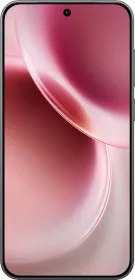


Eagerly waiting for its launch