



Quick Verdict (Rating: 8.8/10)
The iPhone 18 Pro is a dependable compact flagship with excellent battery life, fast charging,the iPhone 18 Pro is a heavy but reliable 6.3-inch flagship offering exceptional 10-hour battery life and a new variable-aperture camera, though minor hardware changes make it a tough sell for iPhone 17 Pro owners
Buy it if:
- You want a compact flagship with excellent battery life and fast charging.
- You prioritize video recording, reliable stabilization, and consistent camera output.
- You’re upgrading from an iPhone 15 Pro or older.
Skip it if:
- You already own an iPhone 17 Pro.
- You want the best telephoto, close-up zoom shots, and detailed images in challenging lighting.
- You want a lightweight compact phone.
- Lens flare and ghosting is a deal-breaker for you.
Apple’s iPhone 18 Pro sticks to a familiar formula: a compact premium design, powerful hardware, a versatile camera system, and a long list of software features. This year, Apple has introduced a variable-aperture main camera, a smaller Dynamic Island, a new A20 Pro chip, and a few other changes.
But with the iPhone 17 Pro still fresh in memory, the question is how much has really changed. I’ve spent over a week with the iPhone 18 Pro in Glacier, putting its cameras, battery, display, and everyday performance to the test. Here’s how it holds up and whether the latest Pro is worth your attention.
HOW I TESTED
| Reviewed By: Mehtab Ansari, expert in smartphones, cameras, and consumer tech (5 years experience, 150+ reviews) Test Unit: The review unit was purchased at retail by Smartprix. No device was provided by Apple or any affiliated party, and this review was produced without any brand communication, briefing, or compensation. Duration and Environment: I tested the iPhone 18 Pro as my primary device for over a week on Airtel’s network in Hyderabad, India. Tests: My testing covered everyday usage, camera performance, battery life, charging, display quality, speakers, connectivity, and the overall software experience. Competitors: I tested it against Samsung Galaxy S26 Ultra, Pixel 11 Pro, OPPO Find X9 Ultra, vivo X300 Ultra, and Xiaomi 17 Ultra. |
iPhone 18 Pro Price & Availability
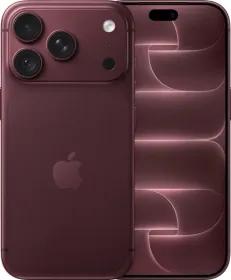
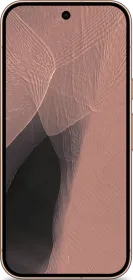
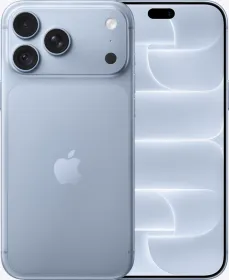
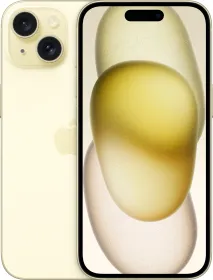
The iPhone 18 Pro is available in 256GB, 512GB, 1TB, and 2TB storage configurations. It comes in Black, Silver, Glacier, and Burgundy finishes.
The iPhone 18 Pro starts at ₹1,64,900 in India, roughly ₹30,000 more than the iPhone 17 Pro. While the US price has increased by just $100, Indian buyers are paying over $300 more than last year.
- 256GB: ₹1,64,900 in India and $1,199 in the US
- 512GB: ₹1,89,900 and $1,399 in the US
- 1TB: ₹2,39,900 and $1,799 in the US
- 2TB: ₹3,14,900 and $2,399 in the US
Pros
- Excellent battery life
- Fast wired charging
- MagSafe and Qi2 wireless charging up to 25W
- Bright 6.3-inch OLED display with ProMotion and Always-On support
- Excellent video recording
- Consistent camera output that’s easy to predict
- New Photographic Styles add more creative options
- Ceramic Shield 2 held up well against scratches during my testing
- Loud speakers with excellent sound quality
Cons
- Camera hardware is largely unchanged from the iPhone 17 Pro
- Telephoto camera falls behind many competing flagships.
- Too heavy for a 6.3-inch phone
- Occasional software freezes and Face ID failures during testing
- Flare and ghosting is still a major issue
iPhone 18 Pro Specifications
| Feature | Specification |
| Display | 6.3-inch Super Retina XDR OLED, 2622 x 1206, 460 PPI, ProMotion Adaptive Refresh Rate up to 120Hz, Always-On Display, Dynamic Island, HDR, True Tone, P3 Wide Color, anti-reflective coating, 2,000,000:1 contrast ratio, 1,000 nits typical, 1,600 nits peak HDR, 3,000 nits peak outdoor, 1 nit minimum |
| Processor | Apple A20 Pro (6-core CPU: 2 super cores + 4 efficiency cores, 7-core GPU with neural accelerators and hardware-accelerated ray tracing, dual 16-core Neural Engine) |
| RAM | 12GB |
| Storage | 256 GB / 512 GB / 1 TB / 2 TB |
| Main Camera | 48 MP Fusion, 1/1.28-inch, f/1.48–f/4.0 variable aperture (f/1.48, f/1.8, f/2.8, f/4.0), 24mm, 100% Focus Pixels, 2nd-generation sensor-shift OIS, 4K120 |
| Ultra-wide Camera | 48 MP, 1/2.55-inch, f/2.2, 120°, 13mm, AF, macro photography, 4K60 |
| Telephoto Camera | 48 MP, 1/2.55-inch, f/2.8, 4X Optical Zoom, 100mm, tetraprism design, 3D sensor-shift OIS, AF, 4K60 |
| Front Camera | 18 MP Center Stage, 1/2.6-inch square sensor, f/1.9, 20mm, AF, 4K60 |
| Video Recording | 4K Dolby Vision up to 120fps (Main), 4K Dolby Vision up to 60fps (Front), Cinematic Mode up to 4K60, Action Mode up to 2.8K60, ProRes up to 4K120 with external recording, ProRes RAW, Apple Log 2, Genlock |
| Battery | 4,056 mAh (physical SIM) / 4,288 mAh (eSIM-only) |
| Charging | 60W or higher USB-C AVS adapter (50% in approximately 15 min), MagSafe and Qi2 wireless charging up to 25W |
| Speakers | Stereo speakers, four-microphone array, spatial audio recording |
| Build | Aluminum unibody, Ceramic Shield 2 front, Ceramic Shield back |
| Connectivity | 5G sub-6GHz, Apple C2 modem, Wi-Fi 7, Bluetooth 6, Apple N1 wireless chip, 2nd-generation Ultra Wideband, NFC, USB Type-C 3.2 (up to 10Gbps) |
| SIM | Dual nano-SIM and eSIM support (physical SIM variant) |
| Software | iOS 27 |
| Dimensions | 150.0 x 71.9 x 8.75mm |
| Weight | 211g |
| IP Rating | IP68 (tested to a maximum depth of 6m for up to 30 min) |
| Biometrics | Face ID (TrueDepth camera system, partially under-display components) |
| Colors | Black, Silver, Glacier, Burgundy |
iPhone 18 Pro Review: Unboxing
The iPhone 18 Pro comes in Apple’s familiar slim retail packaging. The box contains the phone, a USB-C charging cable, and the SIM ejector tool.
My unit is the 256GB Glacier variant. To nobody’s surprise, there’s no case or screen protector included. Given the larger camera bump and the aluminum frame, I’d recommend considering a case if you want to keep the phone looking pristine.
iPhone 18 Pro Review: Design and Build

The iPhone 18 Pro looks familiar, and you’d be hard-pressed to tell it apart from its predecessor at a glance. Apple has retained the compact form factor, flat sides, and aluminum unibody construction. The biggest visual change is the camera bump, which has grown larger despite the phone retaining the same overall thickness.
My unit is the Glacier color, which looks understated and clean. Apple also sells the phone in Black, Silver, and Burgundy. All color variants of the iPhone 18 Pro come with color-matched back glass this year, giving the phone a more cohesive look. If you’re deciding between the colors, keep in mind that Burgundy and Black pick up fingerprints and smudges quite easily. If you prefer a cleaner look, Glacier or Silver are the colors to go for.

The aluminum frame gives it a premium finish, although I still prefer the durability of titanium on older Pro models. Aluminum is softer and can pick up scuffs and dents more easily, so I’d recommend using a case if you want to keep the phone looking pristine.
At 211g, the iPhone 18 Pro is noticeably heavier than I’d expect from a phone with a 6.3-inch display. The weight is concentrated in a relatively small body, which makes it feel dense in the hand. It’s not uncomfortable to use, but the heft is hard to ignore, especially if you’re coming from a lighter compact phone.

Apple has equipped the iPhone 18 Pro with Ceramic Shield 2 on the front and a Ceramic Shield back. I used the phone without a screen protector for over a week, and the display doesn’t have any visible scratches.

JerryRigEverything’s scratch test showed marks appearing at level 7 on the Mohs scale, with deeper grooves at level 8. That’s a step above the level 6 scratches and deeper grooves at level 7 commonly seen on many smartphone displays.
While my own experience has been positive, scratch resistance doesn’t mean the glass is immune to damage. I’d still be careful with keys, sand, and other abrasive materials, if you’re planning to use the phone without a screen protector.
Buttons and Controls

The iPhone 18 Pro retains the Action Button and Camera Control. I still use Camera Control more frequently than the Action Button, mainly because it gives me quick access to the camera without having to unlock the phone and find the app.

The Action Button remains customizable, so you can assign it to a shortcut or a feature you use regularly. Camera Control is more useful for photography, although its placement and touch-based controls may take some getting used to.

The USB-C port sits at the bottom, alongside the speaker and microphone openings. The overall button layout remains familiar to anyone who’s used a recent iPhone.
The iPhone 18 Pro is well-built, compact, and easy to recognize as an Apple flagship. The larger camera bump and increased weight are the main compromises. I would’ve preferred a lighter body, especially since the phone hasn’t grown much in size.
iPhone 18 Pro Review: Display

The iPhone 18 Pro features a 6.3-inch Super Retina XDR OLED display with a resolution of 2622 x 1206 pixels and a pixel density of 460ppi. It supports ProMotion with an adaptive refresh rate of up to 120Hz, along with Always-On display, HDR, True Tone, and the P3 wide color gamut.
On paper, this is a familiar set of specifications, but the display remains one of the phone’s strongest features. Text looks sharp, colors are vibrant, and the high refresh rate makes scrolling and animations feel smooth.
The panel supports 1,000 nits of typical brightness, up to 1,600 nits for HDR content, and a peak outdoor brightness of 3,000 nits. It can also drop to 1 nit in darker environments, which is useful when using the phone at night.
Brightness and Outdoor Visibility

Outdoor visibility is excellent. The high peak brightness helps keep content readable under direct sunlight, while the anti-reflective coating reduces some of the glare you’d otherwise see on a glossy display. The larger vapor chamber also helps the device sustain the high brightness for longer.

HDR content looks particularly good, with bright highlights and deep blacks. The OLED panel’s contrast ratio is rated at 2,000,000:1, and the display supports True Tone and P3 wide color for more natural-looking colors across different lighting conditions.

One detail worth knowing about the display panels. The iPhone 18 Pro uses panels from both Samsung and LG, and some users may notice slight differences in color temperature or tint between units.
Apple is said to use its own color-tuning model, referred to as CMF 2026, to keep the visual experience consistent across devices. However, small differences between panels may still be noticeable, particularly when comparing two phones side by side. In day to day usage, this is hardly an issue.
The Smaller Dynamic Island

Apple has reduced the size of the Dynamic Island, but the practical improvement is limited. It takes up slightly less space at the top of the display, yet it still interrupts content when watching videos. This is especially noticeable with 21:9 videos in landscape orientation.
Thanks to the reduced size (about 25% smaller than the 17 Pro), you can now view up to 3 live activities at once. And when you’re viewing 2 live activities, the amount of information displayed is slightly more than what you’d get previously.

Overall, the iPhone 18 Pro has an excellent display. It’s sharp, bright, smooth, and easy to use outdoors. The anti-reflective coating is nice, and the smaller Dynamic Island is a welcome addition.
iPhone 18 Pro Review: Speakers and Haptics

The iPhone 18 Pro has a stereo speaker setup, with one speaker at the bottom and the other integrated into the earpiece. The sound is loud, clear, and well-suited to watching videos, playing games, or listening to podcasts without headphones.
Volume is one of the highlights. The speakers get very loud enough for casual listening in a room, and audio remains clear even at higher levels. There’s also a good amount of depth for a phone this size.
The haptic feedback is another strong point. Vibrations feel precise and controlled, whether you’re typing, navigating the interface, or interacting with system controls.
The Taptic Engine has long been one of the better implementations of haptics on a smartphone, and the iPhone 18 Pro continues that tradition.
iPhone 18 Pro Review: Software

The iPhone 18 Pro runs iOS 27, and if you’ve used a recent iPhone, the interface will feel familiar. Apple hasn’t reinvented the software experience, and most of the changes are incremental. The overall interface is easy to navigate, with smooth animations and the usual collection of Apple apps and services.
The smaller Dynamic Island is one of the visible changes, but it doesn’t fundamentally change how I use the phone. Apple’s software still feels consistent across the system, and features such as Always-On display, Live Activities, and the customizable Action Button remain useful.

However, my experience hasn’t been entirely smooth. I’ve encountered occasional freezes, and Face ID has failed to recognize me on a few occasions. These issues did not appear on my iPhone 17 Pro running iOS 26. These aren’t issues I’d expect from a flagship at this price, especially when the overall experience is supposed to be one of Apple’s biggest strengths.
Apple Intelligence

Apple Intelligence gets a range of new features on the iPhone 18 Pro, powered by the A20 Pro chip and iOS 27. Siri can search through your messages, emails, and photos to find specific information, while Call Context surfaces relevant details during phone calls. Apple also uses Private Cloud Compute for more demanding tasks, with a focus on keeping personal data private.
The Photos app gets new editing tools, including Spatial Reframing, Extend, and an updated Clean Up. These let you change a photo’s composition, expand its borders, or remove unwanted objects.

Apple’s Reference Image feature adds a layer of authenticity to the camera experience, letting users create a verifiable record of their photos. It works with the main camera and keeps a reference copy alongside the edited image. SynthID takes a different approach, embedding invisible watermarks into AI-generated or edited images to help identify synthetic content.

In general, iOS 27 feels much more optimized than iOS 26, which was infamous for its bugs. App launches are faster, AirDrop is quicker, and the UI feels smoother. You also get a new Liquid Glass slider, separate volume controls for ringtones, alarms, and media, along with plenty of other quality-of-life improvements.

Overall, iOS 27 feels cohesive and quite refined. My experience so far has been positive, although the occasional bugs, Face ID glitches, and touch response issues still need to be addressed.
iPhone 18 Pro Review: Biometrics

The iPhone 18 Pro relies on Face ID for biometric authentication. It uses the TrueDepth camera system to recognize your face, allowing you to unlock the phone, authorize payments, and sign in to supported apps.
However, Apple has made a significant change to its implementation this year. To shrink the Dynamic Island, some Face ID components have been moved under the display. The infrared sensor now sits beneath the top-left portion of the screen. You can spot it under harsh sunlight, but it’s practically invisible otherwise.
Covering that area prevents Face ID from working, so it’s worth keeping in mind. I’m also facing some frustrating issues with Face ID. The phone frequently asks me to enter my passcode, sometimes every hour. It’s possible the under-display components are contributing to the problem, or Apple may need to optimize the system further.
Thankfully, Apple has acknowledged the issue and said it’s working on a fix, which is reassuring.
iPhone 18 Pro Review: Performance

The iPhone 18 Pro is powered by Apple’s A20 Pro chipset, which features a 6-core CPU with two super cores and four efficiency cores. It also includes a 7-core GPU with neural accelerators, hardware-accelerated ray tracing, and a dual 16-core Neural Engine.
On paper, it’s a substantial package of hardware for a compact flagship. The A20 Pro is designed to handle demanding applications, gaming, image processing, and Apple’s on-device AI features.

In everyday use, the phone feels responsive. Apps open quickly, scrolling is smooth, and navigating the interface is generally effortless. I haven’t noticed any major slowdowns during regular use.
The A20 Pro’s hardware-accelerated ray tracing and dedicated neural accelerators should help with demanding games and graphics-intensive workloads. The 7-core GPU also gives the phone plenty of processing capacity for modern mobile games.

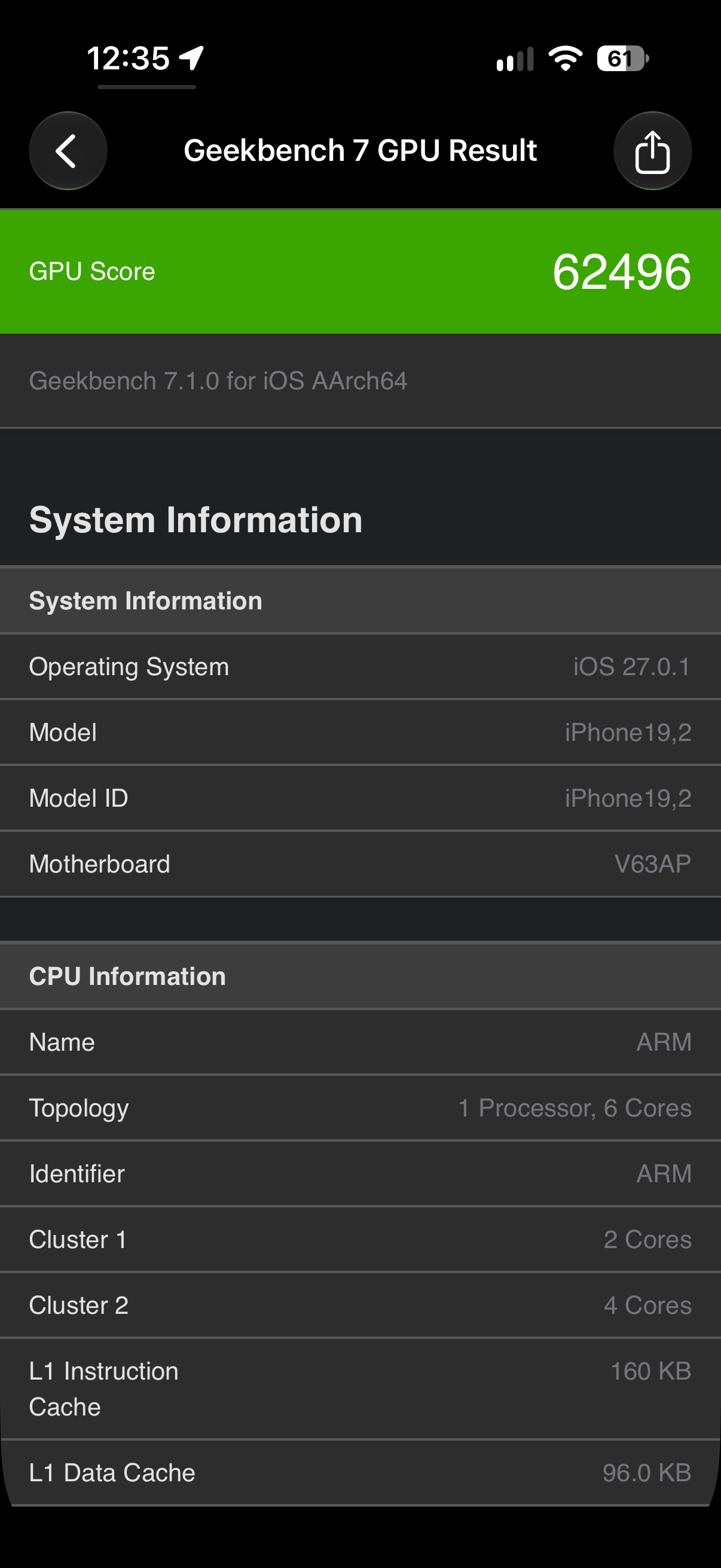
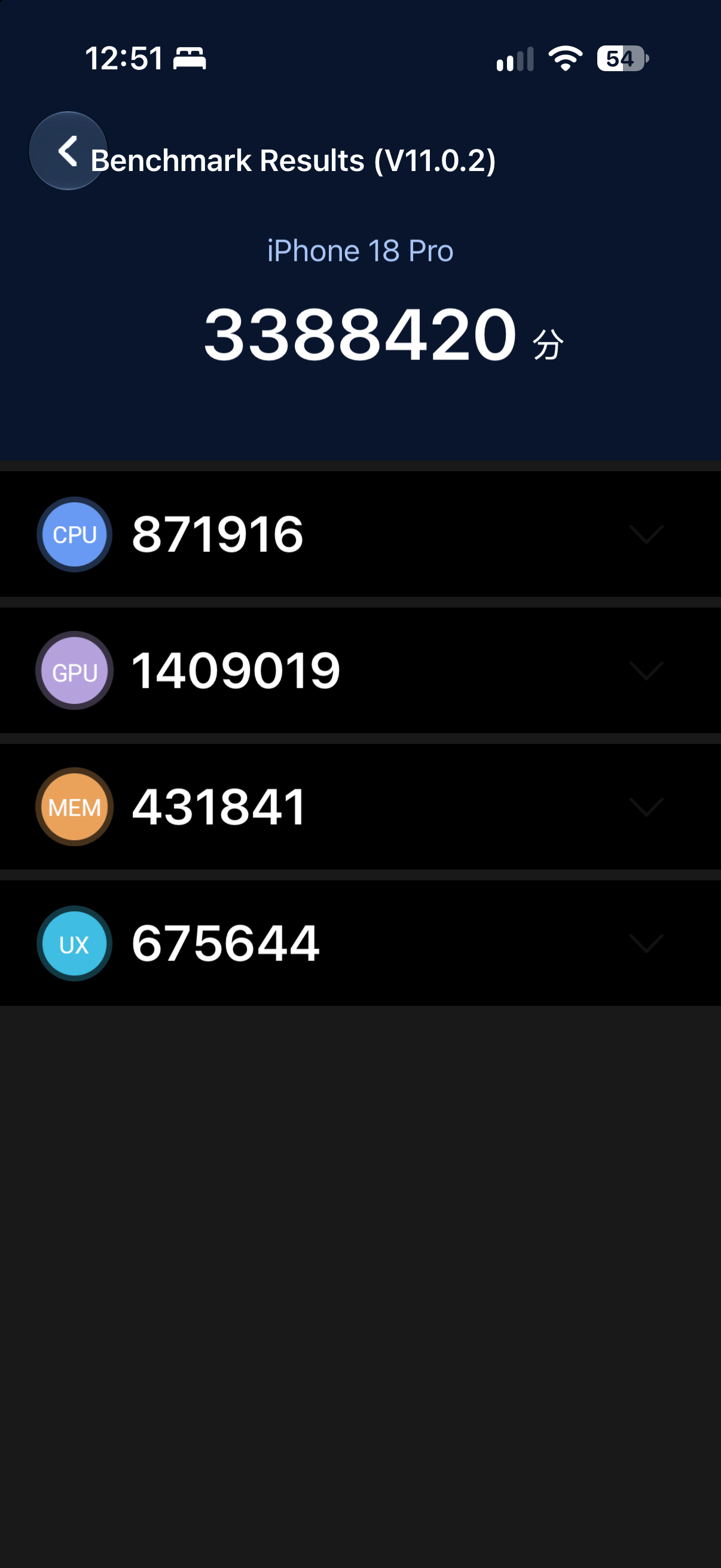
I’ve tried gaming on the 18 Pro, and the experience has been quite satisfying. Whether you’re playing BGMI, Genshin Impact, or Wuthering Waves, this phone can handle it all. The 3X larger vapor chamber also helps keep sustained performance in check, so thermal throttling hasn’t been a major concern during my gaming sessions.
The iPhone 18 Pro uses Apple’s C2 modem for cellular connectivity and supports 5G sub-6GHz networks. It also includes Apple’s N1 wireless chip, Wi-Fi 7, Bluetooth 6, second-generation Ultra Wideband, and NFC. The USB-C port supports USB 3 transfer speeds of up to 10Gbps.
My experience with connectivity has been trouble-free. It feels similar to the iPhone 17 I used earlier, with no major issues during everyday use.
iPhone 18 Pro Review: Cameras

The iPhone 18 Pro has a triple-camera setup with a 48MP Fusion main camera, a 48MP ultra-wide camera, and a 48MP telephoto camera. Apple has introduced a variable-aperture main camera this year, while the rest of the camera hardware remains largely the same.
The camera experience is very much what you’d expect from an iPhone. Photos have consistent colors and exposure, so you generally know what you’re going to get when you press the shutter. Video recording is particularly good, with effective stabilization and dependable results.

Photography is a different story. The main camera takes good pictures, although the overall experience feels very similar to the iPhone 17 Pro. The telephoto camera is where the limitations become more apparent, especially when compared with camera-focused Android flagships such as the OPPO Find X9 Ultra.
Camera Specifications
- 48MP 1/1.28-inch f/1.48–f/4.0 24mm AF 2nd-generation sensor-shift OIS 4K120
- 48MP 1/2.55-inch f/2.2 13mm AF 4K60
- 48MP 1/2.55-inch f/2.8 100mm AF 3D sensor-shift OIS 79cm MFD 4K60
- 18MP Center Stage 1/2.6-inch square sensor f/1.9 20mm AF 4K60
Main Camera with Variable Aperture

The 48MP Fusion main camera remains the most dependable camera on the iPhone 18 Pro. Photos have the familiar iPhone look, with consistent exposure and colors that rarely stray too far from what you’d expect.
The variable aperture is one of the biggest highlights of the iPhone 18 Pro’s camera system. By changing the aperture, the camera can control how much light reaches the sensor and influence depth of field.
A wider aperture lets in more light and creates a shallower depth of field, while a narrower aperture can keep more of the scene in focus. The aperture mechanism can adjust continuously, although the Camera app only gives you four manual options: f/1.48, f/1.8, f/2.8, and f/4.0. In automatic mode, the camera adjusts the aperture more freely. In my experience, it tends to stay around f/1.8 most of the time.


So, is the variable aperture actually useful? For starters, when I take close-up shots of documents or objects, the camera automatically switches from f/1.48 to f/4. This increases the depth of field, keeping more of the subject in focus and producing sharper images.


Additionally, if you enjoy slow-shutter photography, the f/4 aperture lets you use longer exposures of up to one second without overexposing the scene. This can help capture creative motion effects in suitable lighting conditions.
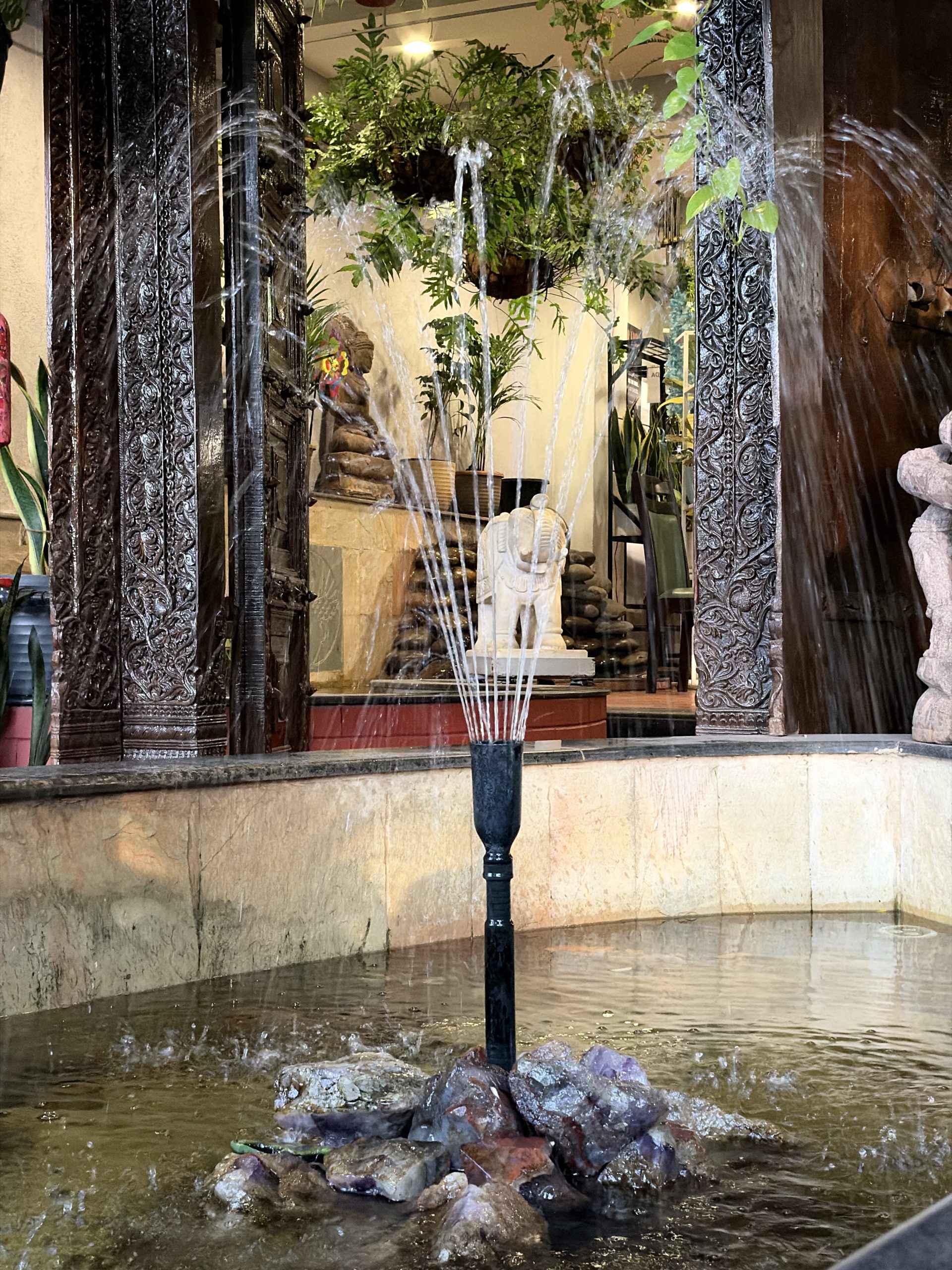

Apple also says f/2.8 and f/4 can help keep multiple people in focus, especially when they’re standing at different distances from the camera. That’s useful in theory, although I rarely see people lining up one behind another for group photos.
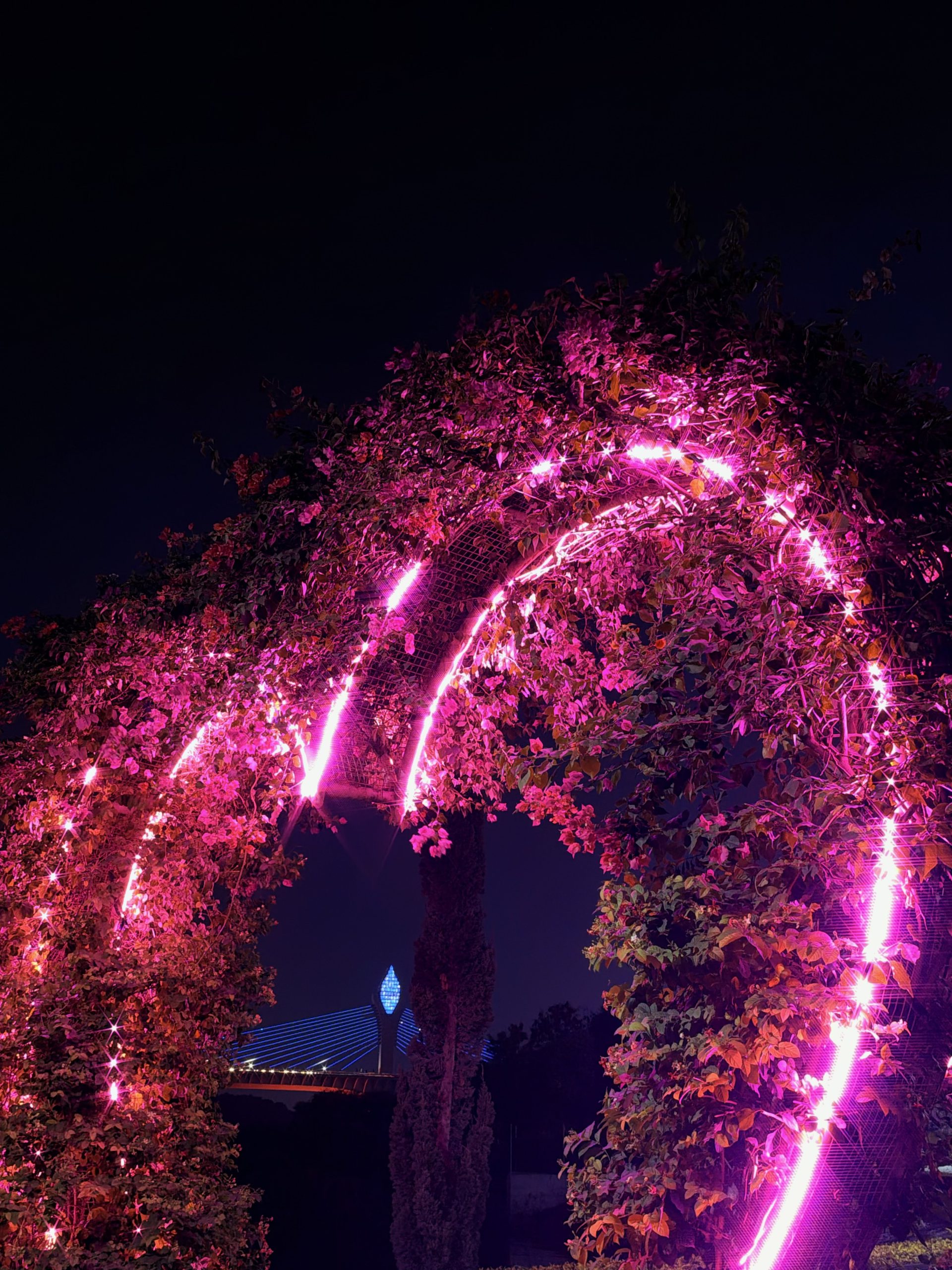
My favorite use case, however, is the starburst effect. The narrower aperture turns bright light sources into star-shaped patterns, adding a creative touch to night shots.

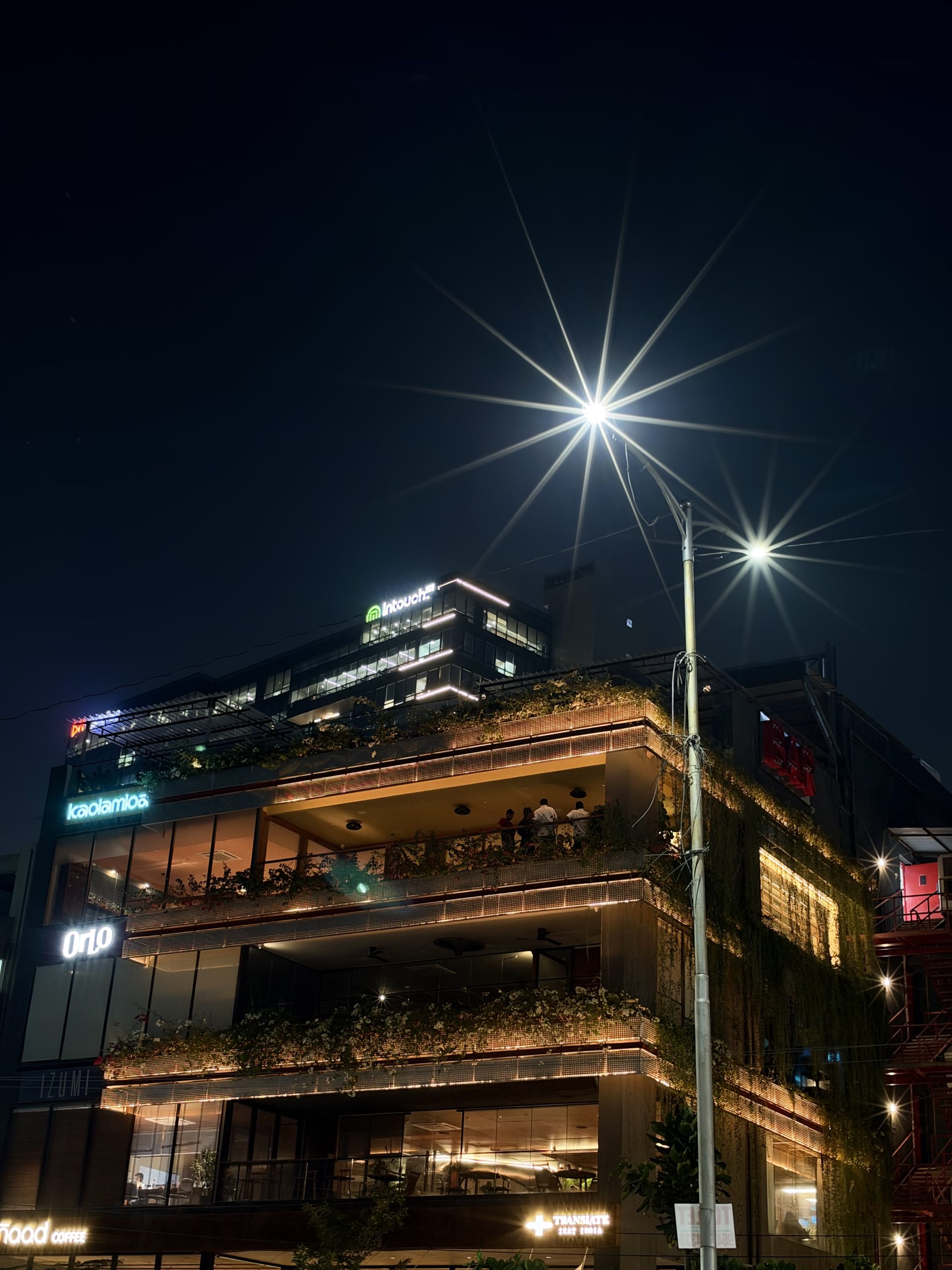
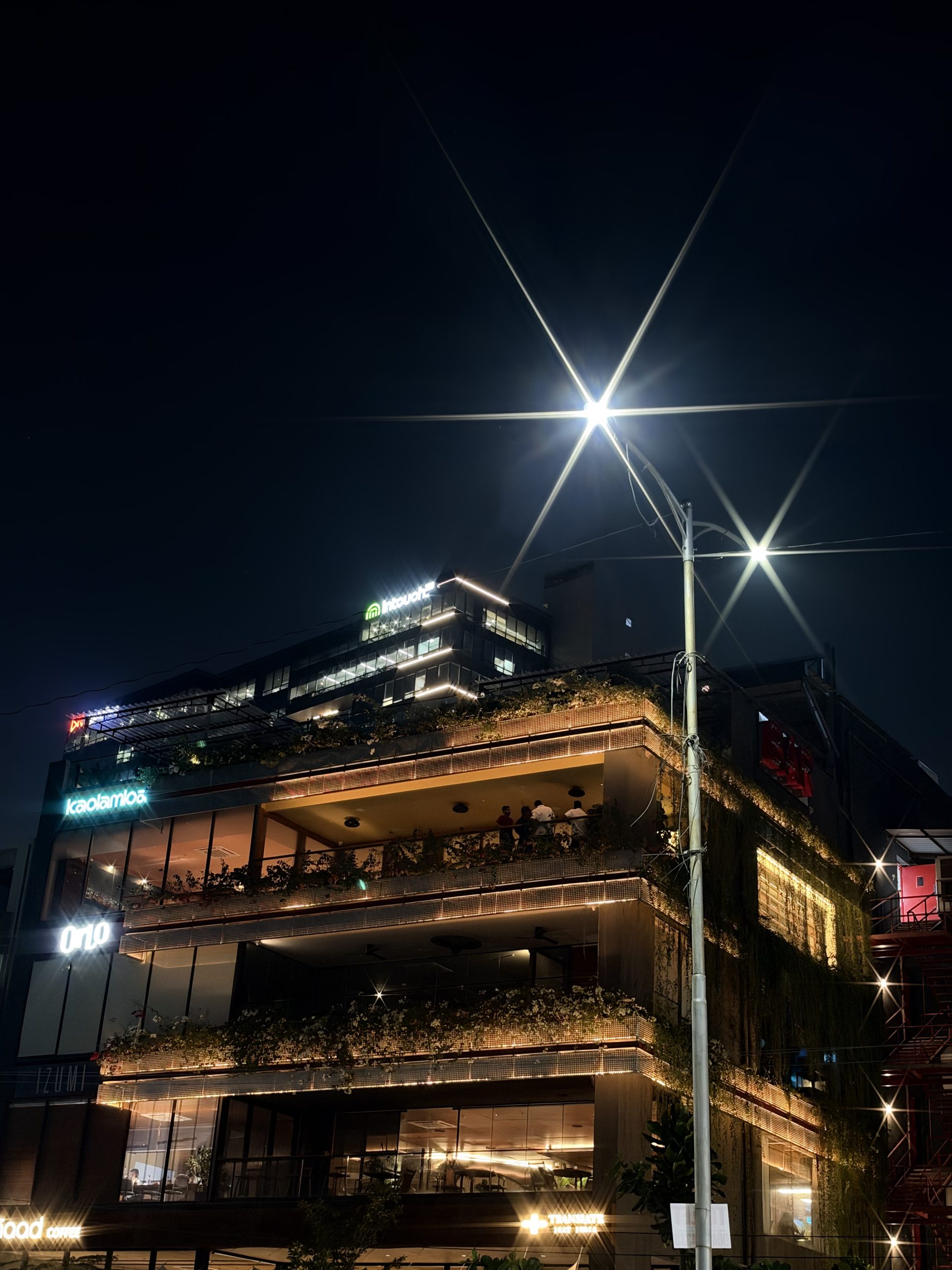

The startburst effect is so pretty.
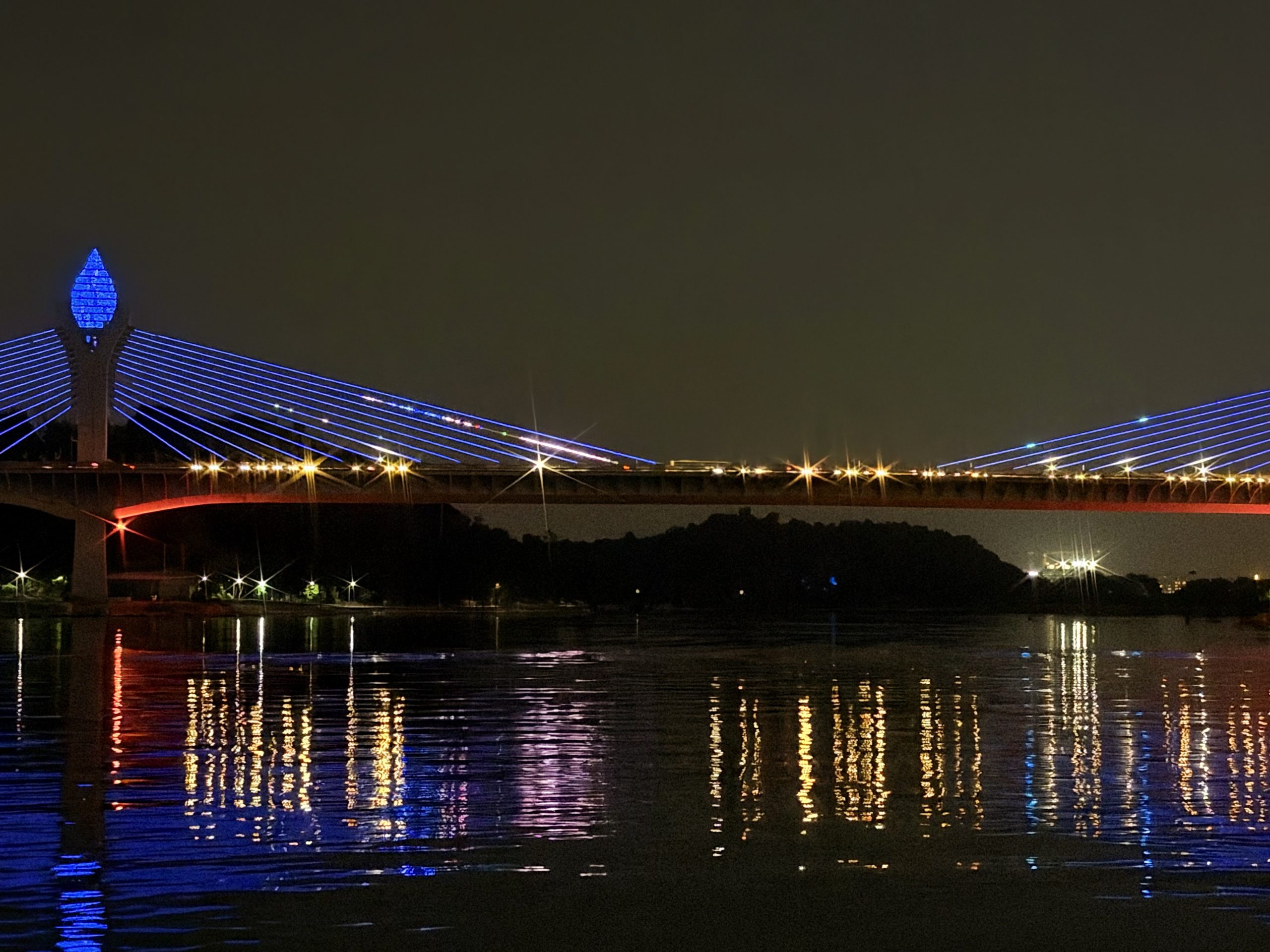

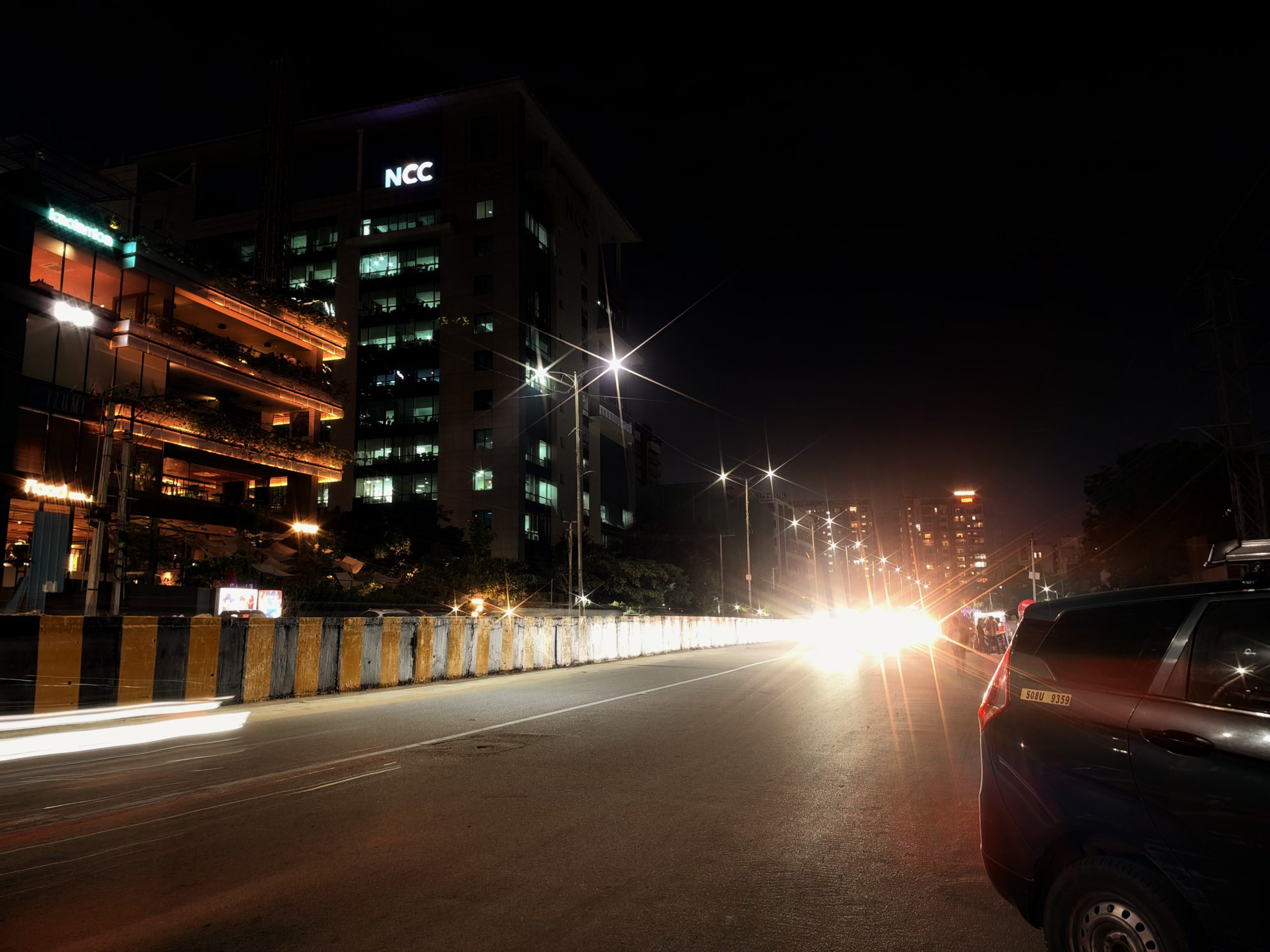
The wider f/1.48 aperture also brings a noticeable increase in lens flare and ghosting, particularly in low-light scenes with bright light sources. This is a major issue, and it’s high time Apple improved its lens coatings. The only workaround I’ve found is to stop down the aperture to f/2.8 or f/4, which reduces the flare but defeats the purpose of a wider f/1.48 aperture in the first place.
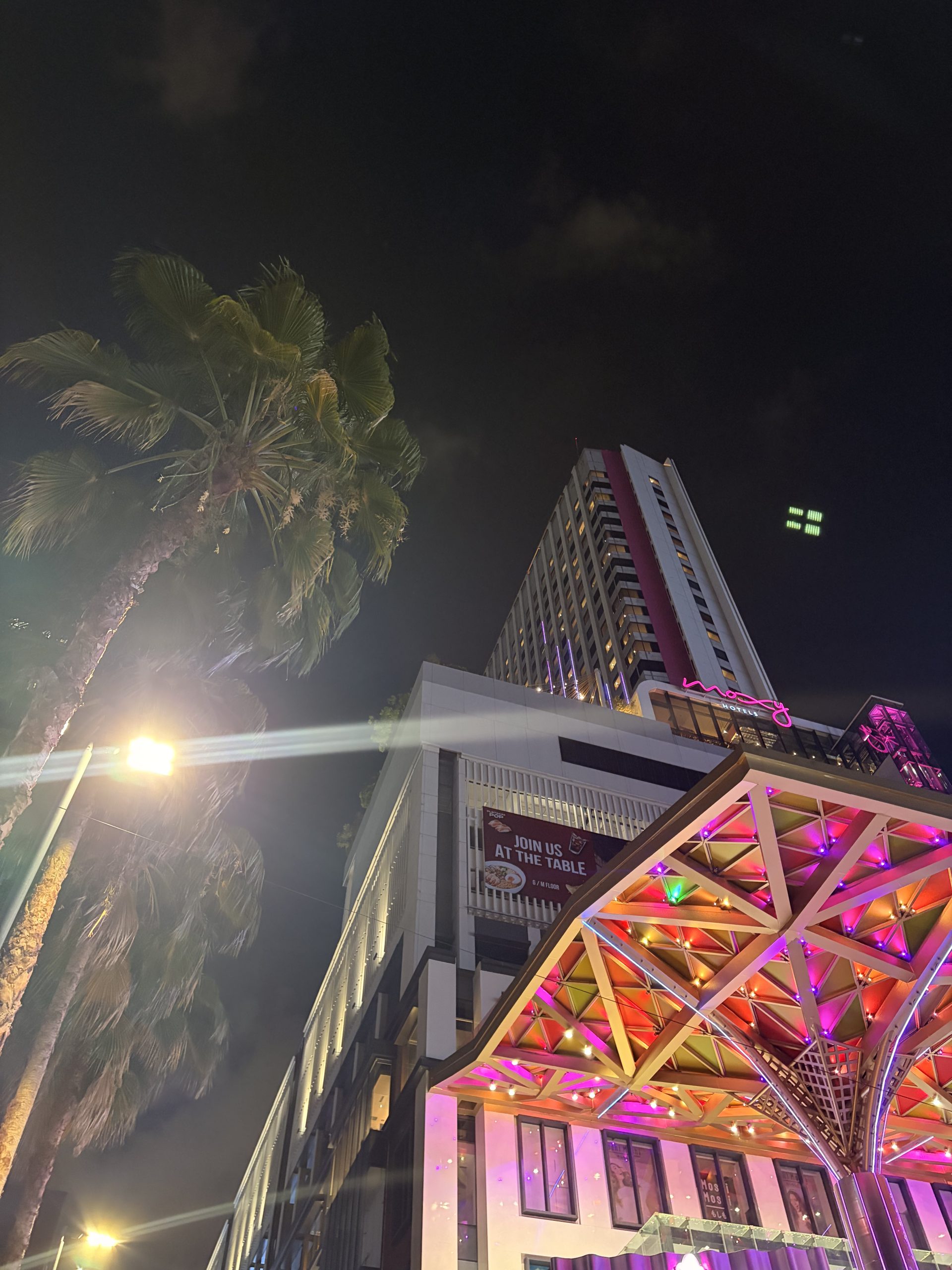
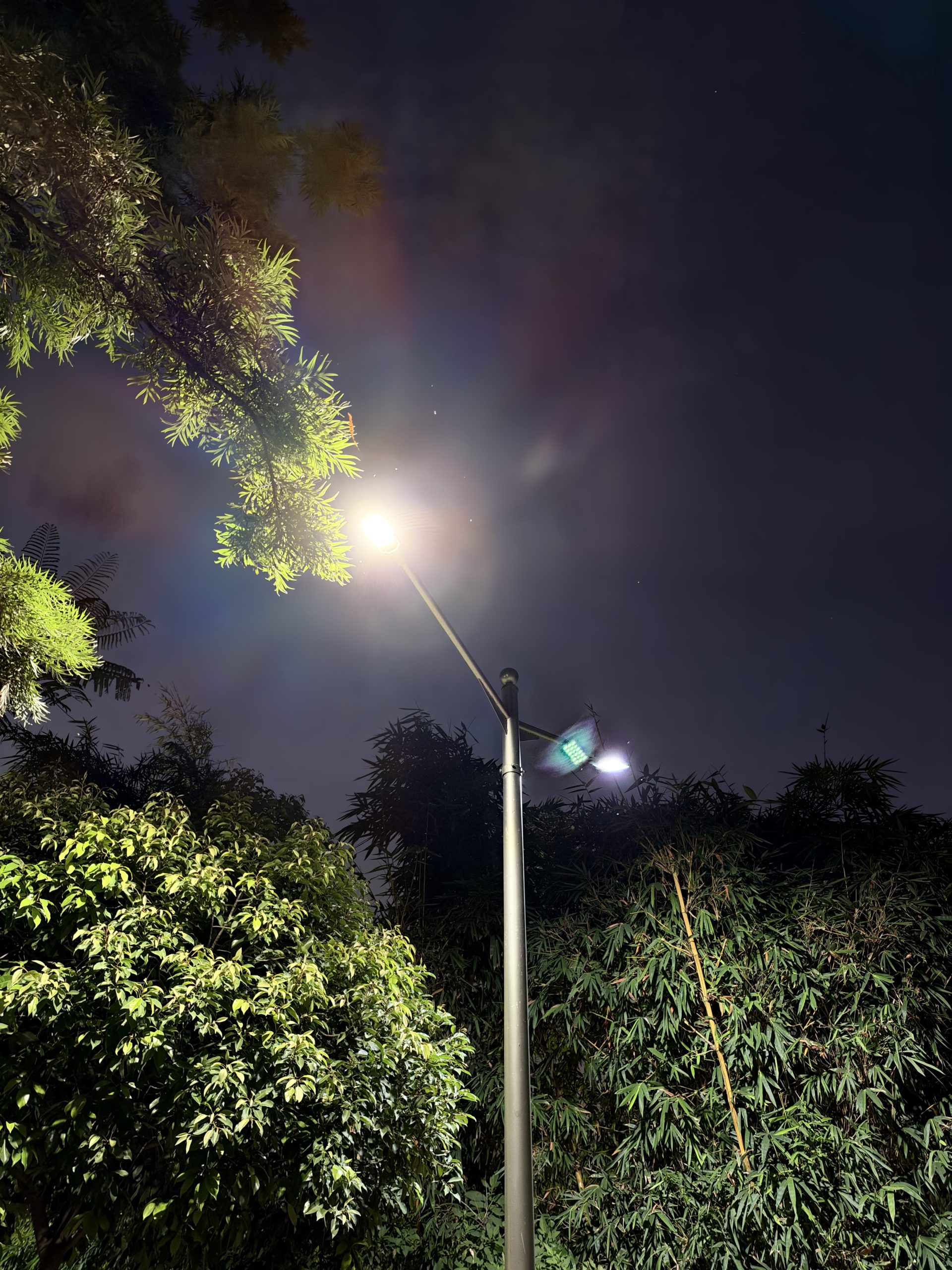
Overall, variable aperture has some interesting uses, but its practical value depends on how you shoot. In everyday photography, the difference is fairly subtle. The main camera still produces results that look very similar to those from the iPhone 17 Pro. If you’re already using last year’s model, the new hardware alone may not be enough to justify an upgrade.






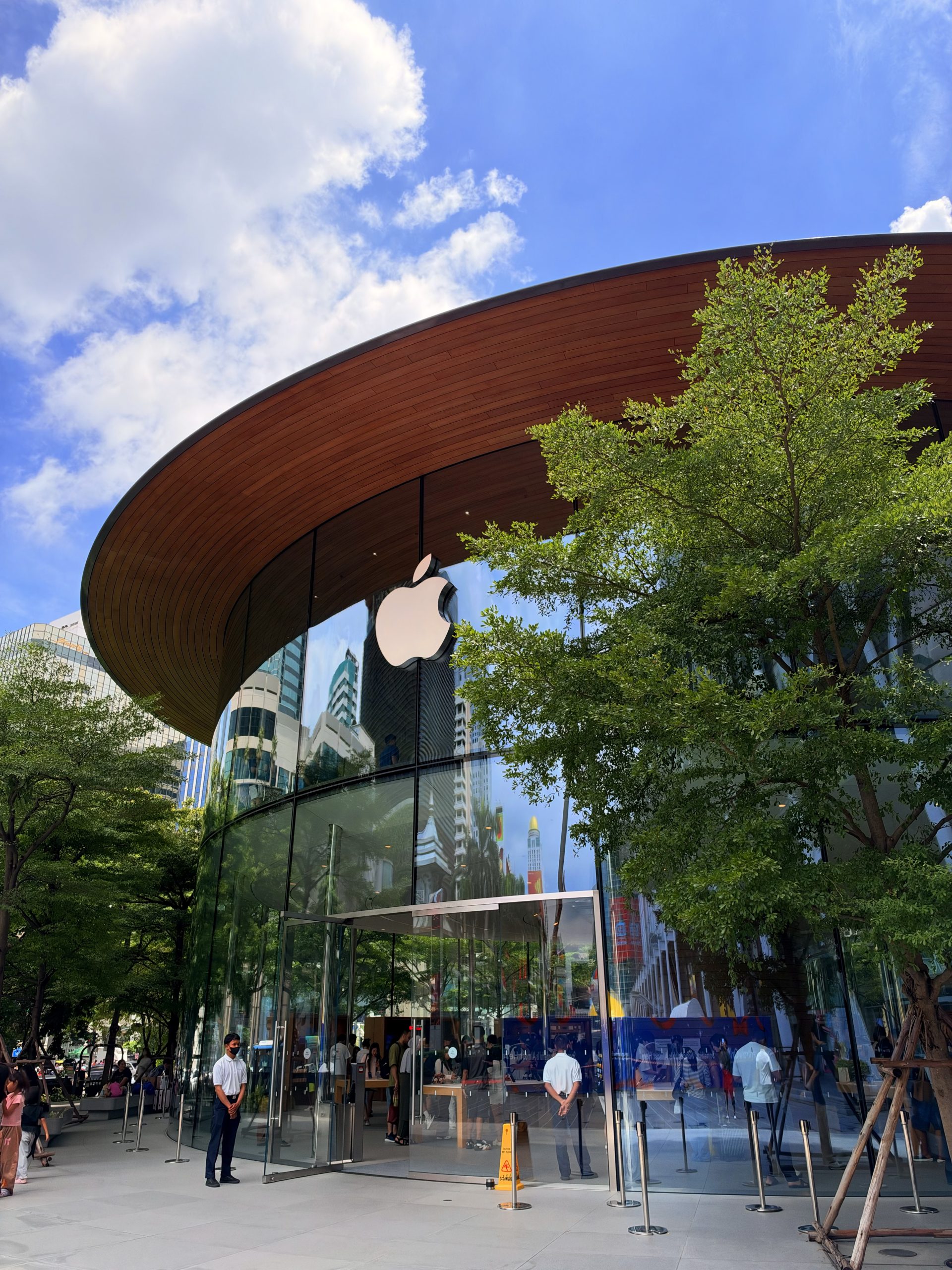











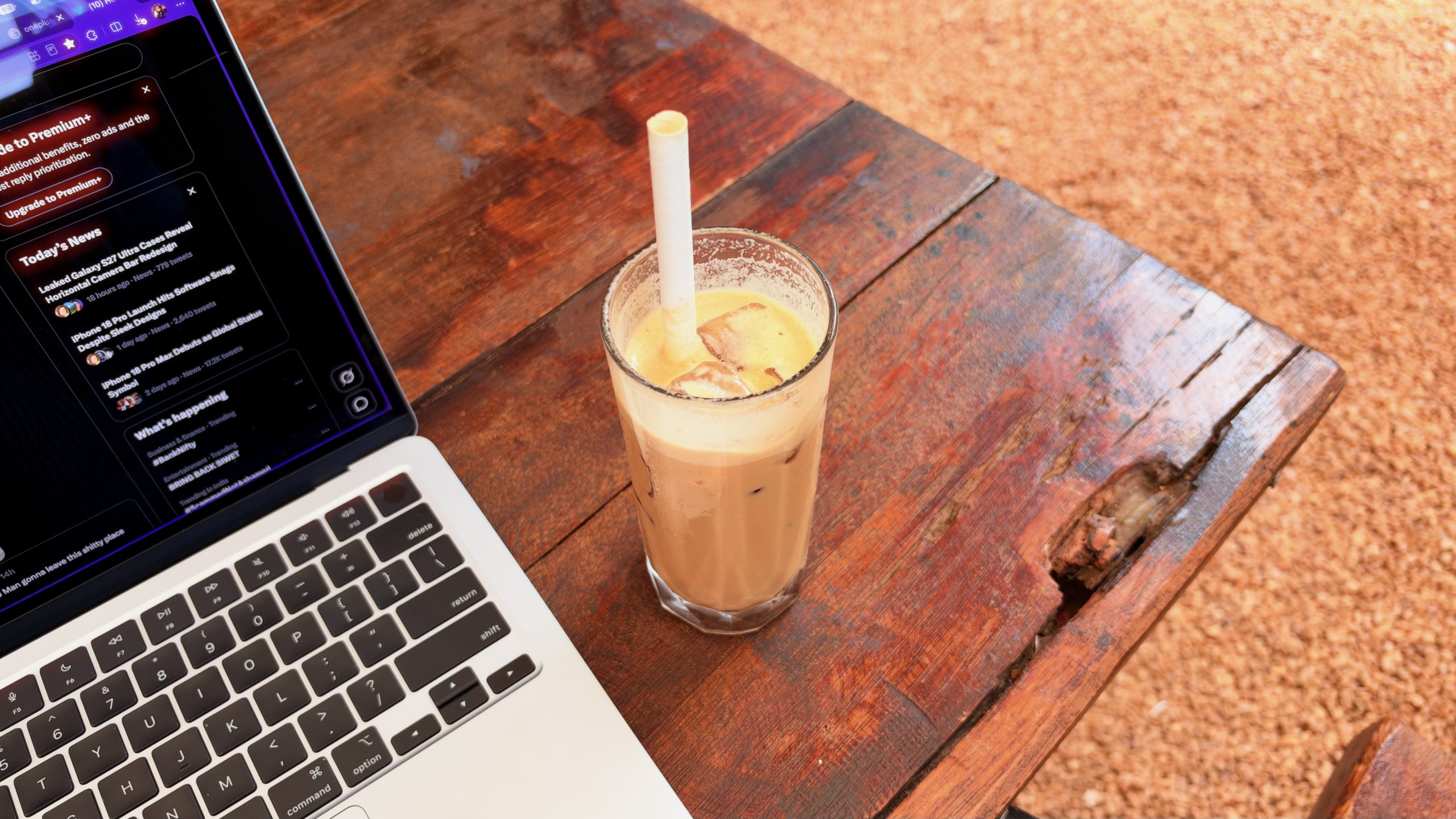

Ultra-Wide Camera
The 48MP ultra-wide camera has a 13mm focal length, an f/2.2 aperture, and a 120-degree field of view. Image quality is consistent with the rest of the camera system, although the ultra-wide camera doesn’t bring a major improvement over the previous generation.
The minimum focus distance is around 1.5cm, allowing for close-up photography. This is useful for capturing small subjects and intricate details.
Telephoto Camera

The 48MP telephoto camera uses a tetraprism design with a 100mm focal length and 4X optical zoom. It also supports 8X “optical-quality” zoom, giving you more reach before the camera relies heavily on digital cropping.
This is where the iPhone 18 Pro starts to fall behind some competing camera-focused flagships. The telephoto camera performs well in good lighting, although the difference becomes more apparent when comparing it with phones such as the OPPO Find X9 Ultra and other high-end Pro models.
Those devices can capture more detailed zoomed-in images in challenging conditions. The iPhone’s telephoto camera can struggle to retain the same level of detail, particularly when shooting distant subjects or working in less-than-ideal lighting.
The minimum focus distance is around 79cm, which limits how close you can get to a subject with the telephoto camera. This is worth keeping in mind as zoomed in shots can often be out of focus.
Front Camera

The iPhone 18 Pro has an 18MP Center Stage front camera with a square sensor, f/1.9 aperture, 20mm focal length, and autofocus. It’s the same as last year, yet still one of the best selfie cameras on the market right now.
The front camera works well for selfies, video calls, and social media content. Autofocus helps keep faces sharp, while the Center Stage system adjusts the framing automatically to keep subjects in view.
The camera can record 4K video at up to 60fps, which is useful for creators who regularly shoot themselves. Overall, the front camera remains a dependable part of the iPhone’s camera system, with a familiar experience for anyone coming from a recent iPhone.
Video Recording

Video recording remains one of the iPhone 18 Pro’s biggest strengths. The phone supports 4K Dolby Vision recording at up to 120fps on the main camera, along with Cinematic mode at up to 4K 60fps (which can now be applied after you’ve taken a video too) and Action mode at up to 2.8K 60fps.
It also supports ProRes recording at up to 4K 120fps with external recording, ProRes RAW, Apple Log 2, and Genlock. These features make the phone useful for creators who want more control over their footage and post-production workflow.
In everyday use, the iPhone’s video output is reliable. Stabilization is excellent, exposure control is fantastic, and the footage generally looks good without requiring much work afterward.
The four-microphone array and spatial audio recording also help when capturing sound alongside video. Audio Mix helps separate and mix the audio directly on your phone, and it now supports music as well.
For anyone who regularly shoots clips for social media, the iPhone 18 Pro remains a very reliable option.
Camera Control and Manual Settings

The iPhone 18 Pro retains Camera Control, which lets you access the camera quickly and adjust supported settings. I use it more frequently than the Action Button because it makes opening the camera and taking a quick shot easier.
Apple has also introduced additional manual camera controls (finally), including manual focus, shutter speed, and white balance. Unfortunately, these controls are limited to the iPhone 18 Pro, which is frustrating for users of older Pro models.

White balance is particularly restrictive. The available presets don’t offer the fine-grained control you’d expect from a proper manual setting (you can only choose from five presets). Shutter speed is also capped at 1 second.

Still, having these controls is better than nothing, and I’ve really appreciated being able to adjust manual focus and shutter speed. The same controls are available for video recording as well.
Photographic Styles 3
One of the more interesting software additions is the updated Photographic Styles experience. Apple has introduced new looks, which give photos a distinct appearance without requiring you to edit them in a separate app.
Cozy + Film is one of my favorites. It adds a film-inspired look, while Amber and Rose Gold offer warmer tones that can work particularly well for portraits and everyday photography.
The new texture options also let you change the character of an image. You can experiment with a softer appearance, including a glow effect, or go for a more pronounced film-like look.
But the implementation has some frustrating limitations. Grain intensity cannot be adjusted, which is disappointing for a feature built around film-inspired photography. I’d also like more control over texture and the intensity of the film look.
Camera Verdict
The iPhone 18 Pro has a reliable camera system, particularly for video recording. The main camera is consistent, the front camera is versatile, and the new Photographic Styles add some creative options.
The main camera’s variable aperture is an interesting feature, but it doesn’t transform the photography experience. The telephoto camera also falls behind competing flagships, and the overall camera hardware feels very familiar if you’ve used the iPhone 17 Pro.
If you already own an iPhone 17 Pro, the camera system alone isn’t a compelling reason to upgrade. For someone coming from an older iPhone (15 Pro and older), the combination of reliable photos, strong video recording, and new creative features remains appealing.
iPhone 18 Pro Review: Battery Life and Charging
Battery life is one of the iPhone 18 Pro’s biggest strengths. Despite its compact size and 6.3-inch display, it managed around 8–10 hours of screen-on time during my testing (on the physical SIM variant), which is impressive for a phone this small. It comfortably lasts a full day of regular use, so I rarely found myself reaching for a charger during the day.

My usage mostly involved social media and about an hour of gaming, with Wi-Fi connected around 80% of the time. I also tested the phone on 5G, where screen-on time dropped by roughly an hour, which is expected with cellular data.
Apple claims the iPhone 18 Pro can match the battery life of the iPhone 17 Pro Max, and based on my experience, that seems plausible. Of course, actual endurance will vary with screen brightness, network reception, camera use, and gaming, but battery life has been one of the most consistent parts of my experience with the phone.

Charging is another area where the iPhone 18 Pro has made meaningful progress. Apple claims the phone can reach 50% charge in around 15 minutes when using a 60W or higher USB-C AVS power adapter.
In my experience, charging is really fast in the early stages, with the phone reaching 50% in around 15 minutes. However, charging slows down considerably after 80%, and a full charge takes over an hour. Actual speeds also depend on the charger you use.
The iPhone 18 Pro supports MagSafe and Qi2 wireless charging at up to 25W. MagSafe is still one of the most convenient parts of the iPhone ecosystem, particularly if you already use compatible chargers, stands, wallets, or other accessories.
iPhone 18 Pro vs Competition
The iPhone 18 Pro’s primary competition at this price is the Samsung Galaxy S26 Ultra, Pixel 11 Pro, OPPO Find X9 Ultra, vivo X300 Ultra, and Xiaomi 17 Ultra. Among these, the OPPO Find X9 Ultra and vivo X300 Ultra set the benchmark for telephoto zoom performance, producing more detail at 10X zoom in challenging light than the iPhone’s 4X optical system can match. The Pixel 11 Pro’s computational photography in low light is also ahead of the iPhone 18 Pro for still images.
Samsung Galaxy S26 Ultra and Google Pixel also has an advantage in terms of Google Gemini powered AI capabilities while OPPO and vivo flagship uses a hybrid Google module and self developed AI features which also have edge over Apple Intelligence at the time of writing this review.
Where the iPhone leads across this group is video recording quality, stabilization, and the consistency of its camera output across different shooting conditions.
Review Verdict: Should You Buy the iPhone 18 Pro?

Smartprix ⭐ Rating: 8.8/10
The iPhone 18 Pro is a reliable compact flagship, and the battery life improvement alone makes it the best version of the compact Pro Apple has made. The battery life is excellent for a phone this size, the display is bright and smooth, charging is much faster, and the cameras remain reliable. Video recording is still one of the biggest reasons to pick an iPhone, and I’ve really liked the new Photographic Styles.
But I have a few complaints. The camera hardware is largely unchanged from the iPhone 17 Pro, and the telephoto camera falls behind what you get on the OPPO Find X9 Ultra and other high-end flagships.
The variable aperture is interesting, but I don’t think it makes a huge difference in everyday photography. Apple also needs to fix the Face ID issues, and the limited controls in Photographic Styles are frustrating.
The bigger problem is the price. At ₹1,64,900, the iPhone 18 Pro costs roughly ₹30,000 more than the iPhone 17 Pro (₹1,34,900). That’s a lot of money for a phone that feels so familiar. If you already own an iPhone 17 Pro, I’d stick with it. If you’re coming from an iPhone 15 Pro or older (or any of the base models), there’s a lot more to appreciate here, especially the battery life and video recording.
First reviewed in September 2026.
FAQs
Is the iPhone 18 Pro worth buying in India in 2026?
If you use an iPhone 15 Pro or anything older, the iPhone 18 Pro is a solid upgrade. I wouldn’t upgrade if you already have the iPhone 17 Pro. At ₹1,64,900, up ₹30,000 from last year, you get better battery life, faster charging, and new Photographic Styles. The main camera and telephoto performance haven’t changed much. Face ID still needs a software update.
How long does the iPhone 18 Pro battery last?
I used the physical SIM version as my main phone on Airtel in Hyderabad for a week. The iPhone 18 Pro gave me 8 to 10 hours of screen-on time. I spent most of my day on Wi-Fi, used social media, and played games for about an hour daily. On 5G, I lost about an hour of screen time. Battery life stands out as one of the biggest improvements over earlier compact Pro models.
How fast does the iPhone 18 Pro charge?
Using a 60W or higher USB-C AVS adapter, I charged the iPhone 18 Pro to 50% in about 15 minutes. I confirmed this in my own tests. Charging slows down after 80%, and a full charge takes just over an hour. The phone supports MagSafe and Qi2 wireless charging up to 25W, which is the fastest MagSafe speed Apple has offered.
Is the iPhone 18 Pro camera better than the iPhone 17 Pro?
The camera is only slightly better. The main upgrade is the variable-aperture main camera, which lets you adjust from f/1.48 to f/4.0. This gives you more control for starburst effects, slow-shutter shots, and depth of field. In daily use, photos look almost the same as the iPhone 17 Pro. The telephoto camera hasn’t changed and still falls behind OPPO’s flagships for zoom in tough lighting. Photographic Styles 3 is a real improvement if you want a specific look.
Is the iPhone 18 Pro better than the Samsung Galaxy S26 Ultra?
If you care about video recording and how your phone works with other Apple devices, the iPhone 18 Pro delivers. If you want more camera options, better zoom, or a bigger screen, the Samsung Galaxy S26 Ultra is the better pick. The iPhone 18 Pro’s battery life is strong, and it’s much more compact. Your choice comes down to which ecosystem you prefer as much as the hardware.
What is the price of the iPhone 18 Pro in India?
The iPhone 18 Pro starts at ₹1,64,900 for 256GB. The 512GB version costs ₹1,89,900, 1TB is ₹2,39,900, and 2TB is ₹3,14,900. That’s ₹30,000 more than the iPhone 17 Pro’s launch price. This is one of the biggest single-year price jumps for the iPhone Pro in India.
Does the iPhone 18 Pro have Face ID issues?
Yes, known Face ID issues appeared on the iPhone 18 Pro during testing. The phone frequently prompts for a passcode, sometimes within an hour of the last Face ID unlock. Apple moved some Face ID components under the display to reduce the Dynamic Island size, which may be contributing to the recognition problems. Apple has acknowledged the issue and confirmed it is working on a software fix.
What are the main reasons to skip the iPhone 18 Pro?
Skip the iPhone 18 Pro if you already have the iPhone 17 Pro. The upgrade isn’t worth ₹1,64,900. If you care about telephoto zoom, other flagships do better at this price. If you want a light, compact phone, 211g is heavy for a 6.3-inch device. If you can’t stand lens flare or ghosting in low light, the wide f/1.48 aperture makes it worse. The only fix is to stop down to f/2.8 or f/4.0.