Digital Rupee trial run for retail segment to start on December 1

No, it's not a cyrptocurrency

Main Image
  • Like
  • Comment
  • Share

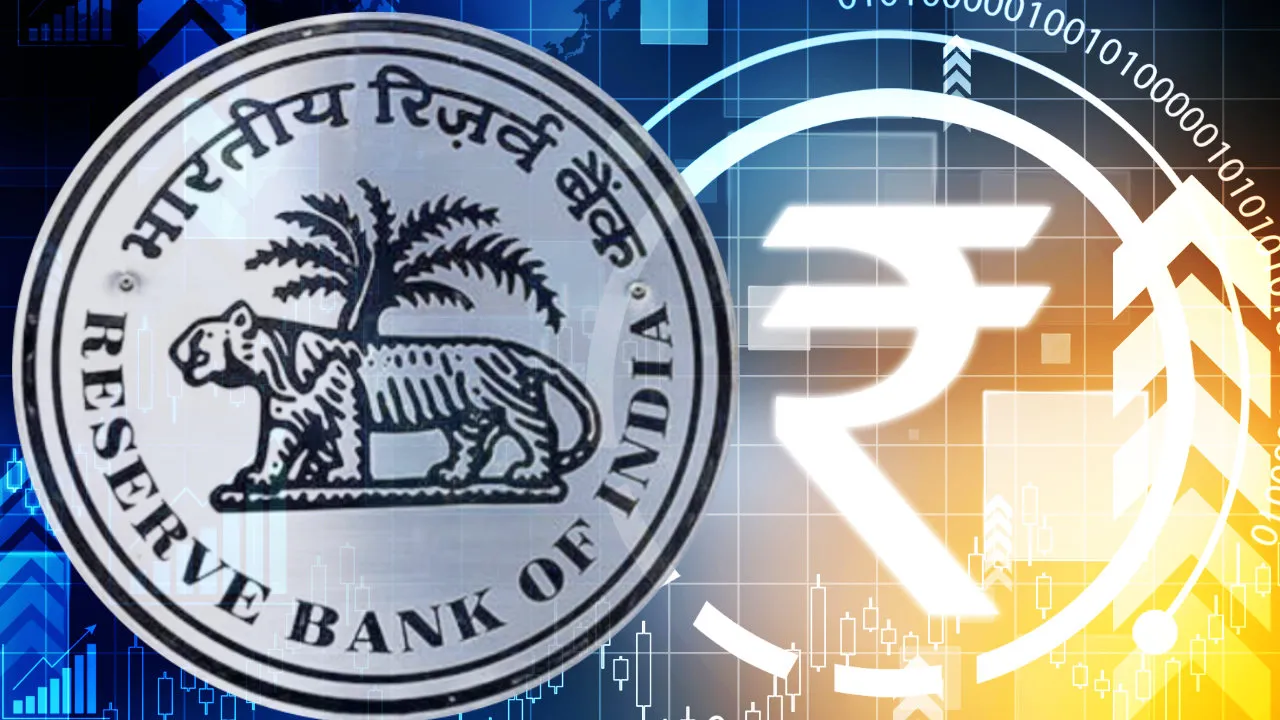
RBI has been working on the Digital Rupee for a long time now. Its first trials kicked off on November 1. In a recent development, the financial body is all set to run another pilot test for the same. These tests for the India’s official digital currency will start from December 1. The first pilot test focused on the wholesale segment. This time, it will focus on the retail segment of the Indian market. The trials will be conducted in shortlisted locations in closed user groups (CUG) consisting of customers and merchants.

As for the Digital Rupee, it will be used as a digital token that will represent legal tender. The e-Rupee will be distributed in India via intermediaries like banks. All the selected users will be allowed to carry out transactions with the e-Rupee. The participating banks will provide a digital wallet for the transactions. Users can pay the merchants with the help of QR codes, which is quite similar to what we do right now with the money in our bank.

Another major highlight of the Digital Rupee is that it can be converted into different forms like bank deposits. One thing to note here is that no interest will be generated on the Digital Rupee. In the first phase, eight banks are going to participate in the distribution and holding of the Digital Rupee – Bank of Baroda, Yes Bank, Union Bank of India, IDFC First Bank, HDFC Bank, ICICI Bank, Kotak Mahindra Bank, State Bank of India.

Use case of Digital Rupee
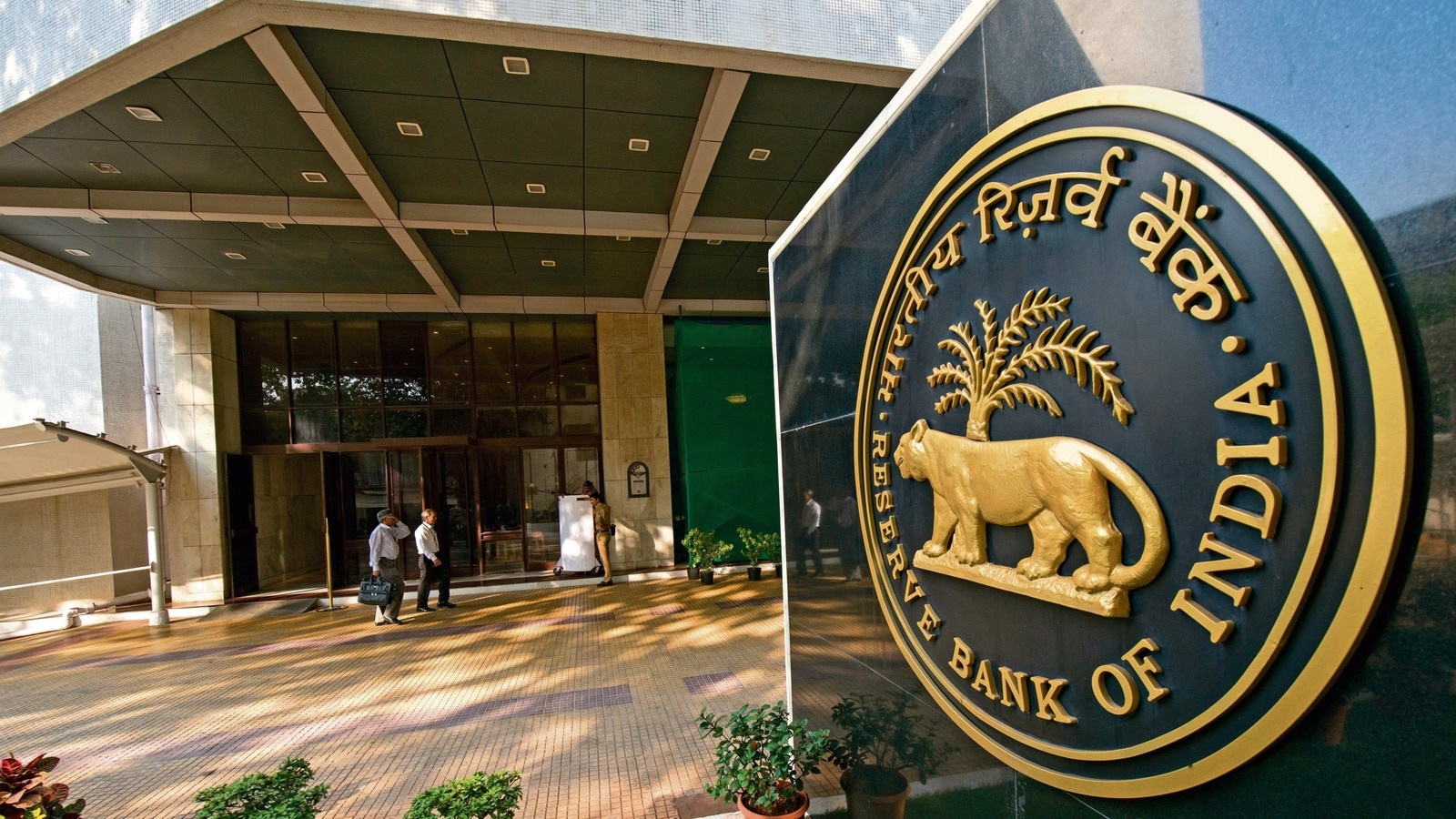
India’s own e-Rupee digital currency: Key Points You Should Know About

The government will use the Digital Rupee or the Central Bank Digital Currency (CBDC) as a digital token representing legal tender. It is being said that e-Rupee is going to make interbank market transactions highly efficient. Readers should not confuse it with any kind of replacement for physical cash or a reply from India for cryptocurrency. It is simply an additional alternative to the forms of money that are currently available in the country.

In comparison to the Unified Payments Interface (UPI), the Digital Rupee will be directly operated by the Reserve Bank of India (RBI), unlike the former. For your information, UPI is managed by bank intermediaries in collaboration with RBI. A notable difference between the two is that every rupee transferred by UPI is equivalent to the physical currency. The case is quite different in terms of Digital Rupee, as it will not necessarily be equivalent to the physical currency. It can be seperately used as legal tender.


Nishit Raghuwanshi RudraNishit Raghuwanshi Rudra
A career journalist who spent three plus years playing around with smartphones, associated apps and more. As a hobby, Rudra enjoys researching mobile games. When he's not busy in the world of gadgets, he is busy with a paper and pen writing poems or engaging with his growing digital audience on the Hindi rap circuit.

Related Articles

Imagevivo Watch GT 2 Review: Big AMOLED Display, Excellent Battery Life, and Smooth Software

vivo has been expanding its ecosystem in India, and the Watch GT 2 is its latest addition. Launched alongside the X500 series, it marks the brand’s first proper entry into the smartwatch segment in India. At around ₹XX,000, the watch focuses on a large AMOLED display, a lightweight design, and long battery life. I’ve been …

ImageRBI retail digital rupee pilot starts today: Who can use e-Rupee?

December 1st, 2022, marks the day when India’s finally become a part of its first digital rupee dubbed as the Central Bank Digital Currency (CBDC) or simply the e-Rupee or Digital Rupee. Launched by RBI as a pilot in four cities in India during the trial phase, the digital rupee is an electronic form of …

ImageIndia’s own e-Rupee digital currency: Key Points You Should Know About

Until now, the cash or the sovereign currency notes that you hold were the only legal tender you could use for buying or selling goods or services. However, with the onset of India’s very own digital currency dubbed as e-Rupee proposed by the Reserve Bank of India (RBI), this could change soon. RBI has released …

ImageNvidia just brought desktop-class AI to thin Windows laptops in India, starting at ₹2.99 lakh.

Nvidia just launched its RTX Spark platform in India, and I saw it firsthand at the RTX Spark Experience in New Delhi on November 24, 2026. The lineup covers nine thin Windows laptops and compact desktops from ASUS, Dell, HP, Lenovo, and MSI, all starting at ₹2,99,399. Most Windows laptops split system RAM and graphics …

ImageThe New Dell 14S Wants to Make Windows Laptops Colourful Again, Starting at ₹79,990

Dell just launched the new Dell 14S (model DS14270) in India at ₹79,990, taxes included. It’s a 14-inch aluminum laptop, weighs 1.15kg, and runs on Intel Core Series 3 processors. You can pick from four colors: Linen, Dusty Rose, Washed Denim, and Velvet Green. Dell 14S Price in India, Variants and Availability Price Processor RAM …

Discuss

Be the first to leave a comment.

Related Products