


Samsung is finally ready to stop talking about extended reality (XR) and start putting it on your face. While the high-end Galaxy XR headset remains the halo product, the real volume play is a pair of display-less smart glasses codenamed “Jinju.”
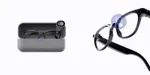
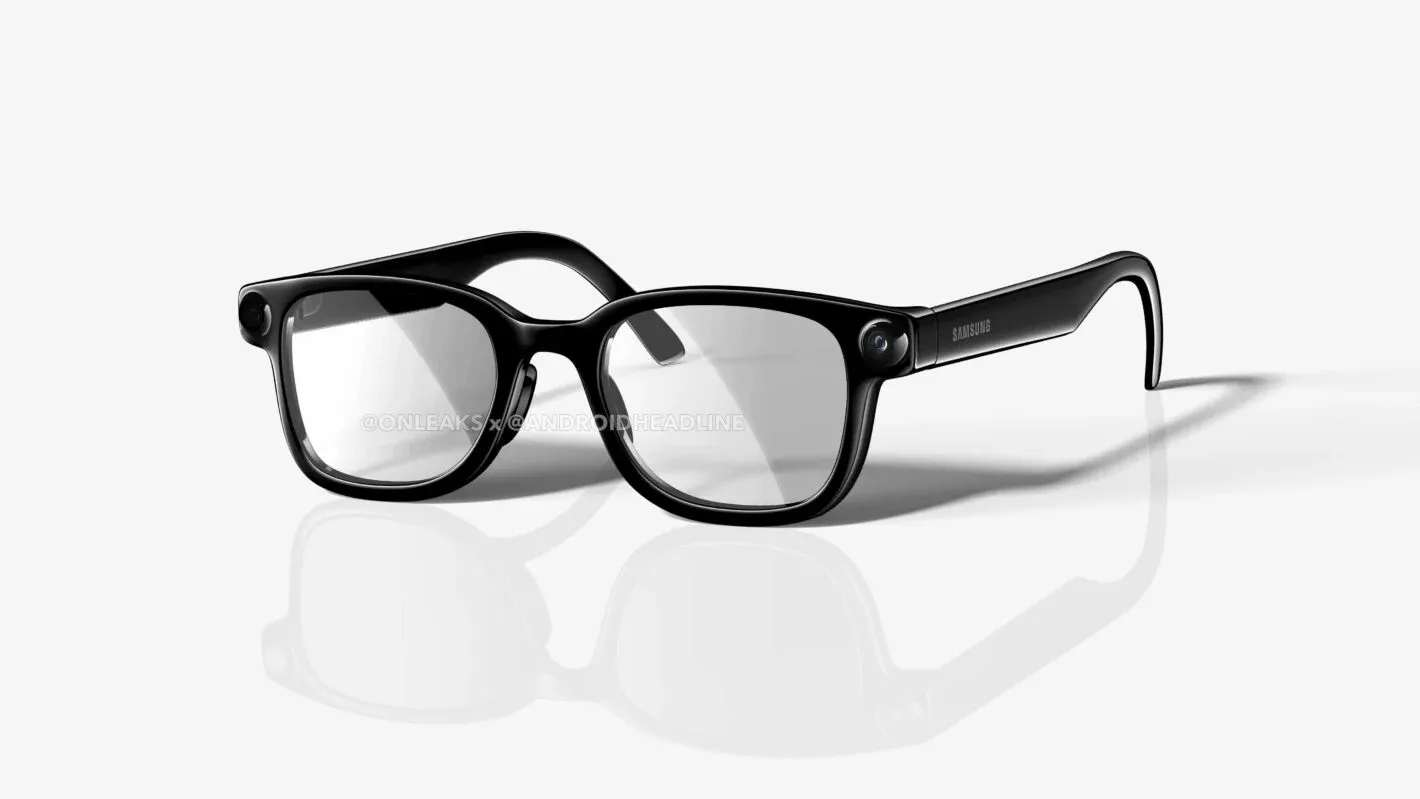
Based on prototype photos of the hardware currently in testing, Samsung’s first pair of glasses leans into the smart, not cyborg aesthetic. It’s a direct challenge to the Meta Ray-Ban dominance, trading proprietary software for the flexibility of the new Android XR platform.
The Hardware: What’s inside ‘Jinju’?
Samsung is taking a phased approach to the face. The “Jinju” model is the “entry” tier—if you can call a $379 to $499 device entry-level. It skips the display entirely, focusing instead on high-quality audio, AI-assisted vision, and a lightweight frame that weighs in at roughly 50g.
| Feature | Samsung Galaxy Glasses (Jinju) |
| Processor | Qualcomm Snapdragon AR1 |
| Camera | 12MP Sony IMX681 |
| Platform | Android XR with Gemini AI |
| Battery | 155mAh |
| Weight | ~50g |
| Price | $379 – $499 (between ₹35,000 to ₹47,000) |
By ditching the display, Samsung avoids the glasshole social friction and the massive battery drain that has killed previous AR attempts. Instead, you get a 12-megapixel Sony sensor that feeds directly into Google Gemini, allowing the glasses to see what you see translating signs, identifying landmarks, or scanning QR codes via voice command.
The Long Game: Micro-LED and ‘Haean’
If Jinju is the scout, Haean is the heavy hitter. Samsung is already developing a second, more advanced pair of glasses scheduled for 2027. That model is expected to feature a Micro-LED display and will likely carry a “Pro” price tag between $600 and $900 (₹60,000 to ₹85,000). This two-tier strategy mirrors the smartphone market, giving users a lifestyle option now and a productivity option later.
The Android XR Advantage
The secret weapon here isn’t the hardware; it’s the ecosystem. Unlike Meta’s closed garden, Samsung is building on Android XR. This means deep integration with Google Maps, Photos, and the Gemini AI suite right out of the box.
Samsung has already locked in partnerships with Warby Parker and Gentle Monster to ensure these don’t just look like tech gear. It’s the same strategy Meta used with EssilorLuxottica (the makers of Ray-Ban), and it’s the only way to convince people to wear cameras on their faces all day.

The Competitive Horizon
The timing is critical. With Google I/O just weeks away, we expect to see the first official software teases of how Gemini will live inside these frames.
While Meta has already moved over two million units of its smart glasses, Samsung’s advantage lies in the Galaxy World ecosystem. If you already own a Galaxy phone and watch, these glasses aren’t just an accessory they’re the new interface for your digital life. We expect a formal teaser at the July Unpacked event, alongside the Galaxy Z Fold 8.
You can follow Smartprix on Twitter, Facebook, Instagram, and Google News. Visit smartprix.com for the latest tech and auto news, reviews, and guides.