


Quick Verdict
Smartprix Score: 7.5/10
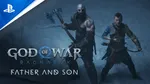
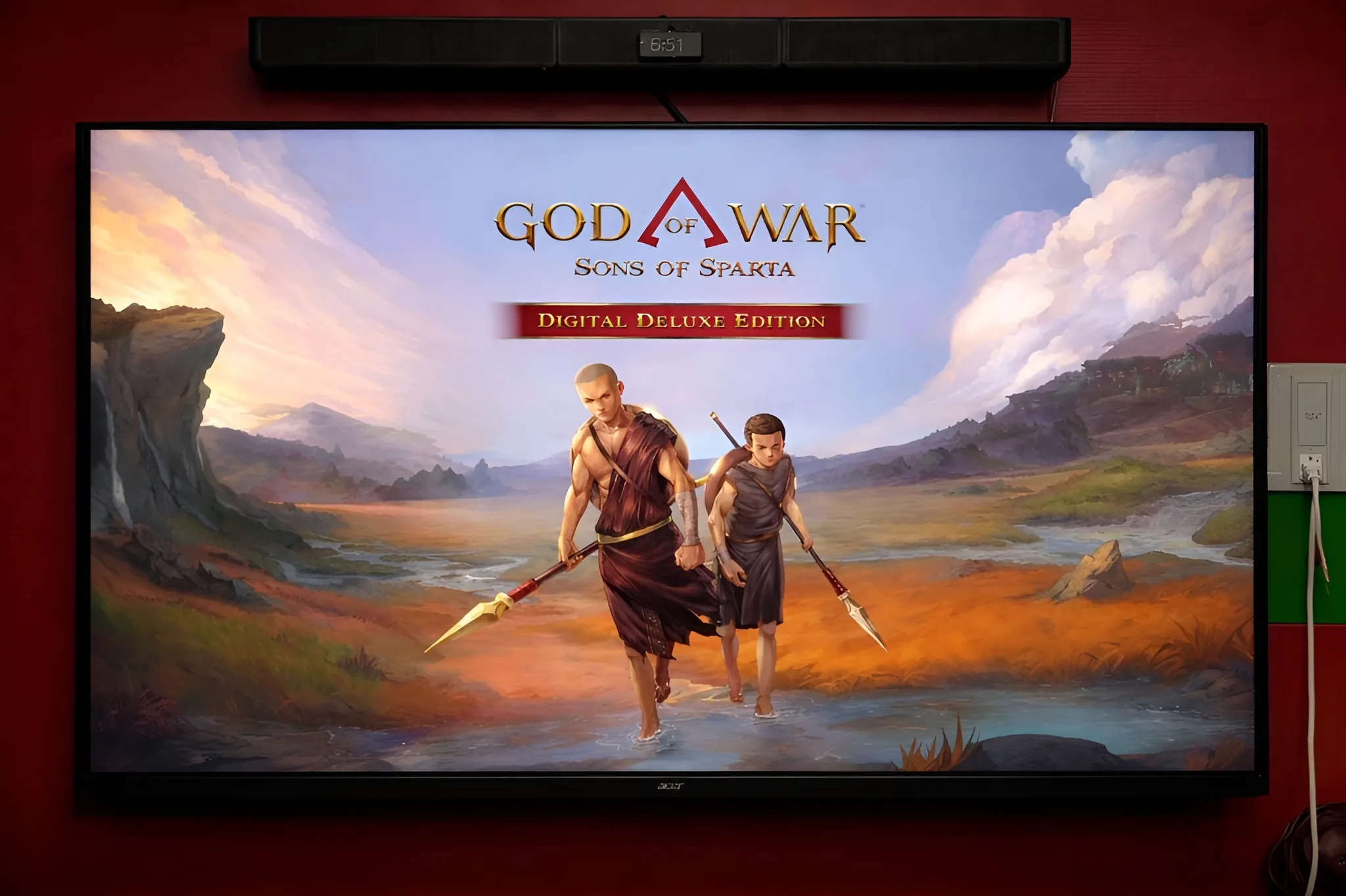
God of War: Sons of Sparta is a 12-hour pixel-art detour that proves Kratos doesn’t need 4K sweat pores to be compelling. By trading prestige cinematic bloat for a tight, spear-focused combat loop, it makes the Ghost of Sparta feel human for the first time in years. It is a masterpiece of intent, even if the Metroidvania systems occasionally feel like busywork.
The Good:
- A more human, likeable young Kratos
- Strong boss fights that test skill and timing
- Solid combat foundations with meaningful defensive play
- Focused scope, no live service bloat
- Good voice acting and a strong musical score
The Bad:
- Very by-the-numbers metroidvania design
- Combat depth looks richer than it actually plays
- Slow early pacing with late ability unlocks
- Repetitive enemies and bloated side content
- Occasional technical hiccups and immersion-breaking dialogue tone
For the better part of a decade, PlayStation exclusives have felt less like games and more like cinematic arms races. They arrive with staggering budgets, 80-hour runtimes, and an almost desperate need to be “Prestige.” God of War: Sons of Sparta is a quiet, stubbornly focused rejection of that entire philosophy.
It didn’t come to redefine a genre; it came to reclaim a character.
By shrinking the scope, Santa Monica Studio has allowed Kratos to breathe. This isn’t a myth-shattering force of nature; it’s a story about an earnest, disciplined teenager trying to navigate the brutal Spartan Agoge. The core of the game is the relationship between Kratos and his brother, Deimos. There is a genuine, startling warmth here watching them navigate military training provides human stakes that 4K polygons usually mask.
HOW I TESTED
| Reviewed By: Pranav Dixit, Tech & Lifestyle Editor. With 13 years at the intersection of culture and silicon, I’ve tracked Kratos from the fixed-camera brutality of the PS2 era to the somber fatherhood of the North. The Build: Tested on a retail-ready digital code provided by Sony (v1.002). I played through a Day One patch and an mid-cycle hotfix that addressed early audio-sync issues. Testing Gear: PS5 Testing Duration: 21 days Compared with: Various other God of War games |
Sons of Sparta Story Review: The Tragedy of the Boy Who Would Be God
Every prequel faces the same problem: the destination is a spoiler. We know Kratos ends up a hollowed-out ash-covered ghost, so Sons of Sparta has to work twice as hard to make the journey matter. It succeeds by making the Ghost of Sparta something we haven’t seen in twenty years: vulnerable.
This isn’t a story about god-slaying; it’s a story about brotherhood. Kratos here is an earnest, disciplined teenager, deeply loyal to his brother, Deimos. The quietly radical part is the setting it plays out like a Spartan military school drama wrapped in mythological dressing.
There is a genuine, startling warmth between the brothers that feels almost alien in a God of War game. Watching them navigate the brutal Agoge training provides the kind of human stakes that 4K polygons usually mask. You start to see the Kratos that could have been the version of the man who might have been happy.
The game uses a clever narrative framing device: an older Kratos recounting these memories to his daughter. It adds a layer of self-reproach to every victory.
It gives the 16-bit pixel scenes a weighty gravitas. When the older Kratos pauses, you feel the 2,000 years of regret in the silence.
Having said that, the game occasionally forgets its own era. The dialogue frequently slips into a modern, quippy cadence what I call Marvel-tongue. Hearing a Spartan initiate use 21st-century sarcasm is a sharp tonal clash that occasionally shatters the immersion of the ancient setting.
Journalistically, I have to point out the pacing. While the story is moving, the game often stands still. Sons of Sparta has a habit of halting its kinetic momentum for long stretches of exposition delivered through static pixel scenes. For a Metroidvania that lives or dies on flow, these unskippable history lessons can feel like a chore rather than a reward. It’s a character study that works far better than expected, but it frequently talks when it should be showing.

Sons of Sparta Combat Review: The Tactical Fragility of a Future God
In the mainline God of War titles, Kratos is a blender. You mash buttons, and mythologies are rendered into a fine red mist. Sons of Sparta is a sharp, deliberate departure. Because you’re playing a younger, more fragile Kratos, the game trades the power fantasy for “tactical survival.” It’s a desperate, high-stakes conversation where one wrong word or one missed parry is fatal.

The Rhythm of the Spear
The core loop revolves around spear-based melee, and it’s here that the game finds its most satisfying rhythm. Unlike the chaotic reach of the Blades of Chaos, the spear requires surgical precision.
This is where the DualSense haptics earn their keep. There is a metallic thrum that vibrates through the triggers on a successful parry, turning a defensive move into a tactile reward. It makes every block feel like a hard-earned victory rather than a canned animation.
Because young Kratos lacks the health pool of his older self, every encounter demands your undivided attention. Try to button-mash through a group of Spartan deserters, and you’ll be looking at a loading screen before the first combo finishes.
The Illusion of Depth
However, the game stumbles into a classic 2026 gaming trap: RPG-ification for the sake of it. On paper, the customization is dizzying a strategic spreadsheet of spear tips, shafts, and magic abilities tied to the Greek pantheon. In practice? Most of it is window dressing.
You can spend twenty minutes min-maxing your “fire-proc” probabilities in the menus, but the game rarely forces you to use them. During my 21-day testing window, I found that a handful of basic guard-breaking strategies carried me through 90% of the game. It’s a combat engine that looks deep in the UI but plays surprisingly narrow in the field.

Bosses vs. Fodder
The mechanical soul of Sons of Sparta is hidden in its boss encounters. These are the only moments where the layered systems feel justified. These fights are brutal, demanding pattern recognition and frame-perfect timing. They are the highs of the experience moments where you finally catch a glimpse of the legendary warrior Kratos is destined to become.
By contrast, the regular enemies are the definition of padding. After the fifth hour, the variants start to feel like palette-swapped reskins. You aren’t learning new ways to fight; you’re just applying the same three combos to enemies with slightly longer health bars. It’s a brilliant combat system that is occasionally let down by the lack of imagination in who you’re actually fighting.
Visually, Sons of Sparta sits in an awkward middle ground. It’s a 16-bit love letter trapped in a 4K ecosystem. The pixel art is competent and occasionally striking—there are background vistas of mythological foundries and corrupted Spartan villages that look like high-definition dioramas of fire and soot. But these “highs” are inconsistent.
For every memorable, hand-crafted backdrop, there are stretches of generic, stone-walled corridors that feel like under-developed placeholders. The world hints at a deeper history, but the level design rarely follows through. You’ll pass through an architectural marvel rich with lore potential, only for the game to treat it as wallpaper rather than an interactive piece of history.
Sons of Sparta Review: Audio and Technical Benchmarks
The audio is the undisputed highlight of the production. The score carries the signature orchestral weight of the franchise but blends it with more intimate, woodwind-heavy tones that reflect Kratos’ youth.
The voice performances are strong across the board, successfully bridging the gap between the earnestness of a teenager and the budding stoicism of a soldier.
However, the writing often fumbles the landing. The dialogue frequently leans into a quippy, modern tone that shatters the immersion of Ancient Greece. Hearing a Spartan initiate sound like a character from a Disney+ sitcom is a jarring tonal clash. It’s a self-aware “Marvel-tongue” that feels unearned in a world this brutal.
Technical Benchmarks (PS5)
Because this is a smaller-scale production, it carries what I call a small-studio tax in its technical performance:
- Frame Pacing: During heavy boss encounters with dense particle effects, I noticed frame drops into the low 40s. On a PS5, this is a surprising stutter for a 2D-style game.
- Audio Sync: Occasionally, the “Older Kratos” narration would lag behind the pixelated cutscenes, creating a disjointed “dubbed movie” effect that briefly pulls you out of the story.
Sons of Sparta Review Final Verdict
Smartprix ⭐ Rating: 7.5/10

The ultimate tragedy of Sons of Sparta isn’t the story of Deimos; it’s that the game is often too afraid to let its mechanics be as radical as its narrative. It is marred by a Metroidvania bureaucracy of locked doors and repetitive backtracking that occasionally forgets to respect your time.
But in an industry reeling from $300 million gambles, this mid-scale project feels like a vital survival kit. It proves that PlayStation’s future might be found in its smaller, stranger past. It isn’t a masterpiece of design, but it is a masterpiece of intent.
If this is the direction for more experimental spin-offs, then Sony should keep walking this path.
Sons of Sparta is a reminder that sometimes, a well-made, thoughtfully scoped game is enough.
Last reviewed in April 2026.