

iPhone 16 vs. Reno 15 Pro Mini: Table of Contents
Compact smartphones are becoming exciting again, and comparing the iPhone 16 (review) with the Reno 15 Pro Mini (review) highlights just how different two “small” flagships can be. I wanted to pit these phones against each other because they target the same audience but prioritize very different things—Apple focuses on performance, software longevity, and video, while Reno leans into display smoothness, camera versatility, battery life, and value.
On paper, the decision isn’t straightforward, especially with their close pricing and overlapping strengths. By the end of this comparison, you’ll clearly understand where each phone excels, where it falls short, and which one actually makes more sense for your needs—whether that’s photography, gaming, content creation, or everyday use.
Also Read: Reno 15 Pro Mini vs. OnePlus 13s: Which Compact Premium Phone Should You Buy?
iPhone 16 vs. Reno 15 Pro Mini: Design


| iPhone 16 | Reno 15 Pro Mini | |
| Dimensions | 147.6 x 71.6 x 7.8 mm | 151.2 x 72.4 x 8 mm |
| Weight | 170 grams | 187 grams |
| Material | Ceramic Shield / Aluminum / Glass | Gorilla Glass 7i / Aluminum / Glass |
| IP Rating | IP68 (6m for 30 min) | IP68/IP69 (1.5m for 30m) |
| Colors | Black, White, Pink, Teal, Ultramarine | Dusk Brown (Cocoa Brown), Aurora Blue, Glacier White |
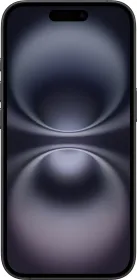
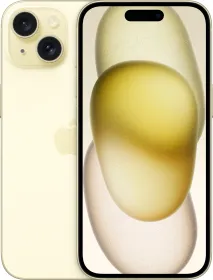
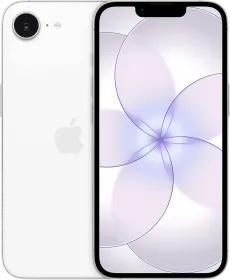
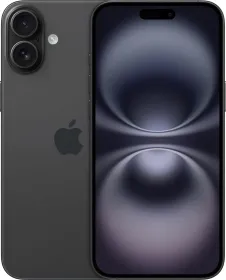
The iPhone 16, in the classic Apple fashion, features a Dynamic Island on the front, symmetrical bezels on all sides of the screen, and a vertically-stacked dual-camera module on the back (made of textured glass).
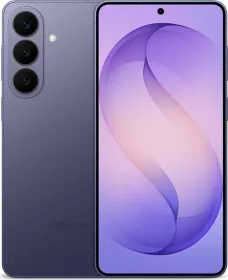
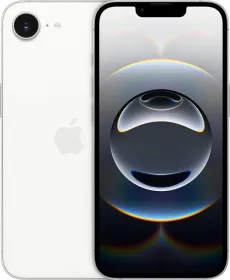
The Reno 15 Pro Mini, on the other hand, has a punch-hole screen at the front with symmetrical bezels (with a higher screen-to-body ratio), a larger camera module that houses three sensors, and a rather unique back finish.
Given that the iPhone 16 has a smaller footprint, it is the thinnest and lightest of the two. Further, Apple’s one-year-old flagship has a better water immersion rating (up to 6m for 30 minutes). The Reno 15 Pro Mini, on the other hand, has an IP69 rating.
Also Read: realme 16 Pro+ vs. vivo V60: Which Snapdragon 7 Gen 4 Phone Wins For You?
iPhone 16 vs. Reno 15 Pro Mini: Display


| iPhone 16 | Reno 15 Pro Mini | |
| Display Size | 6.1-inch | 6.32-inch |
| Aspect Ratio | 19.5:9 | 19.5:9 |
| Technology | Super Retina XDR OLED | LTPS AMOLED |
| Resolution | 2556 x 1179 (460 ppi) | 2640 x 1216 (460 ppi) |
| Refresh Rate | 60Hz | 120Hz |
| Peak Brightness | 2,000 nits (HBM) | 1,800 nits (HBM) |
| Dimming | PWM Dimming | 3840Hz PWM Dimming |
| HDR Formats | HDR10, Dolby Vision | HDR10+ |
| Colors | – | 1B |
| Protection | Ceramic Shield | Gorilla Glass 7i |
Apple’s iPhone 16 has a smaller screen of the two: 6.1-inch vs. 6.32-inch. It features a Super Retina XDR OLED (460 ppi) with a peak brightness of 2,000 nits (HBM), but it maxes out at 60Hz. Further, it supports two HDR formats: HDR10 and Dolby Vision.
In comparison, the Reno 15 Pro Mini has a slightly larger 6.32-inch screen that supports a slightly lower 1,800 nits (HBM) brightness, but provides a higher refresh rate (up to 120Hz). Further, the display supports a higher 3,840Hz PWM dimming, which should make the screen more comfortable for your eyes.
So, the Reno handset provides a superior visual experience with a slightly larger yet compact screen, a higher refresh rate, and a higher PWM dimming rate.
Also Read: Xiaomi 17 Ultra vs. vivo X300 Pro: Which Camera-Centric Flagship Actually Makes Sense For You?
iPhone 16 vs. Reno 15 Pro Mini: Processor
| iPhone 16 | Reno 15 Pro Mini | |
| Chipset | Apple A18 | Mediatek Dimensity 8450 |
| Manufacturing Process | 3nm TSMC | 4nm TSMC |
| Core Configuration | Hexa core; 2 x 4.04 GHz performance cores + 4 x 2.20 balanced cores | 1 x 3.25 GHz Cortex-A725 + 3 x 3.0 GHz Cortex-A725 + 4 x 2.1 GHz Cortex-A725 |
| GPU | 5-core GPU | Mali-G720 MC7 |
| NPU / AI Processing | 16-core Neural Engine | MediaTek NPU 880 |
| Memory / Storage | LPDDR5X & NVMe | LPDDR5X & UFS 3.1 |
| Connectivity | Wi-Fi 7, Bluetooth v5.3 | Wi-Fi 6, Bluetooth v5.4 |
iPhone 16

The iPhone 16 comes with Apple’s A18 processor (hexa-core, Apple five-core GPU, 16-core Neural Engine), which is quicker than the A17 Pro chip on the iPhone 15 Pro. With the chipset, the iPhone 16 supports all Apple Intelligence features, performs extremely well in multitasking, and handles all video games (though at 60 fps) without any stress.
When I tested the device, it scored 3,194/7,738 points in the single- and multi-core Geekbench 6 CPU tests. To give you a reference, the iPhone 16 is slightly faster than the Galaxy S24 Ultra. Complementing the capable chipset are 8GB of LPDDR5X RAM and up to 512GB of NVMe storage (which is usually faster than UFS 3.1).
Reno 15 Pro Mini

Out of the box, the Reno 15 Pro Mini is powered by the Dimensity 8450 (4nm) SoC, which has a peak clock speed of 3.25 GHz. The chipset offers smooth performance in everyday use. In fact, the phone can also run BGMI natively at 90 fps (and push it to 120 fps using software).
However, when it comes to benchmark scores, which reflect a chipset’s raw performance, the Reno 15 Pro Mini lags behind the iPhone 16. For those who want to know, the Reno handset scores 1,609/6,355 in the GeekBench 6 CPU test. Anyway, the chipset is paired with 12GB of LPDDR5X RAM and up to 512GB of UFS 3.1 storage.
If you’re chasing raw performance to render 4K videos faster, the iPhone 16 could be the better choice. Otherwise, the Reno 15 Pro Mini offers enough horsepower for all-day, everyday use and even creative workflows.
iPhone 16 vs. Reno 15 Pro Mini: Operating System
| iPhone 16 | Reno 15 Pro Mini | |
| Operating System (At Release) | iOS 18; upgradable to iOS 26.2 | Android 16 |
| User Interface | Liquid Glass | ColorOS 16 |
| Software Update Policy | ~ 5 years (based on track record) | 5 OS + 6 Security Updates |
Another striking difference between the iPhone 16 and the Reno 15 Pro Mini is their operating systems.
iPhone 16

Apple’s iPhone 16 currently runs on iOS 26, which brings along a Liquid Glass user interface, more home and lock screen customization, new apps like Apple Games, Preview, an Adaptive Power feature, and several Apple Intelligence features, including improved Visual Intelligence, Live Translation in Apple’s communication apps (like Messages and FaceTime), and on-device text processing.
Although Apple doesn’t provide a number, it usually supports its devices for about 5 years (sometimes longer). Hence, the iPhone 16 should receive software and security updates at least till 2028 or 2029 before Apple retires it.
Reno 15 Pro Mini

The Reno 15 Pro Mini ships with ColorOS 16, based on Android 16, which introduces a “nature-inspired” theme called Luminous Design (heavily inspired by the Liquid Glass interface on iPhones). It offers a Flux home screen, fluid animations, plenty of AI-based features, including the Productivity Suite (AI Writer, AI Recording, etc.), AI Mind Space, and AI Portrait Glow, and the O+ Connect app for cross-device workflow.
Oppo has promised to provide five years of major operating system updates and six years of security updates with the Reno 15 Pro Mini, which is quite good. In general, ColorOS 16 offers a broader, more diverse range of AI-based features if that’s what you’re looking for.
iPhone 16 vs. Reno 15 Pro Mini: Optics
| iPhone 16 | Reno 15 Pro Mini | |
| Primary Camera | 48MP (f/1.6, 1/1.56″, sensor-shift OIS) | 200MP (f/1.8, 1/1.56″, OIS) |
| Video Resolution | 4K@60fps, 1080p@240fps | 4K60, 1080@480fps |
| Secondary Camera | – | 50MP (f/2.8, OIS) for 3.5x optical zoom |
| Tertiary Camera | 12MP (f/2.2, 120˚, dual pixel PDAF) | 50MP (f/2.0, 116˚) with AF |
| Selfie Camera | 12MP (f/1.9, PDAF) | 50MP (f/2.0, 100˚, AF) |
| Video Resolution | 4K@60fps, 1080p@240fps | 4K60, 1080p60 |
iPhone 16

The iPhone 16, to begin with, features a dual-rear-facing camera. It has a 48MP primary sensor (2x lossless zoom) that supports sensor-shift optical image stabilization, which is better for recording videos (up to 4K60). However, the phone’s secondary camera is an ultrawide shooter (12MP with autofocus for macro).
On the front, there’s a standard 12MP shooter, so nothing fancy there as well. While the iPhone 16 excels at general photography and videography (great for budding content creators or professionals), the Reno 15 Pro Mini offers much more flexibility for capturing photos and videos.
Reno 15 Pro Mini

The Reno 15 Pro Mini features a 200MP primary camera (four times the resolution of the iPhone 16) that provides optical-quality 2x and 4x zoom. However, if you want to go beyond that, there’sthe 50MP optical zoom camera that provides up to 3.5x optical zoom (even 7x is handled well on the phone).
Then you have the 50MP ultrawide camera that supports autofocus for capturing more expansive landscapes. For capturing selfies, there’sa 50MP front camera with a broader field of view than the iPhone 16.
So, if you’re getting a phone to capture photos (primarily) and videos, the Reno 15 Pro Mini should provide more versatility and better zoom range.
Also Read: OnePlus 15 vs. OnePlus 13: What’s Changed? A Rs. 72,999 Question
iPhone 16 vs. Reno 15 Pro Mini: Battery & Charging Speed

| iPhone 16 | Reno 15 Pro Mini | |
| Battery Capacity | 3,561 mAh | 6,200 mAh |
| Charging Speed | 30-35W, 25W wireless (MagSafe) | 80W wired (13.5W PD, 55W PPS) |
With almost half the battery capacity of the Reno 15 Pro Mini, the iPhone 16 provides around six to seven hours of screen-on time (with moderate usage). Its charging speeds, like those of other iPhones, are much slower than those of other phones in the segment. However, you do get 25W MagSafe wireless charging for added convenience.
The Reno 15 Pro Mini, on the other hand, provides around 9-10 hours of screen-on time between charges (again, varying by usage), which is excellent for a phone of its size. The phone also supports 80W fast wired charging, which fully charges the phone in about 55 minutes. And yes, Oppo offers a charger in the box.
Also Read: realme GT 8 Pro vs. OnePlus 15 vs. iQOO 15: Camera Comparison
iPhone 16 vs. Reno 15 Pro Mini: Pricing & Verdict
iPhone 16 Price

If you’re looking for a no-nonsense, compact iPhone that doesn’t cut corners on modern AI features, provides a multi-camera setup with excellent video recording capabilities, and the classic iOS experience, only revamped with the Liquid Glass interface in iOS 26, you can’t go wrong with the iPhone 16.
The A18 chipset delivers among the best performance in the segment, handling virtually anything you can throw at the phone. Plus, it also offers a day’s worth of battery life between charges. While the iPhone 16 was available at its best price during the Flipkart Big Billion Days 2025 sale (128GB variant for around Rs. 50,000), you can get it at around or under Rs. 60,000 during sales or using special in-store offers.
Reno 15 Pro Mini Price

The Reno 15 Pro Mini comes out as the more capable handset in this comparison. It features a smoother 120Hz screen, delivers the ColorOS 16 experience with plenty of customization options, offers one of the best camera setups in the segment, and provides excellent battery life. In fact, using the introductory offers, you can get the 256GB variant for around Rs. 55,000, offering more value for your money.

You can follow Smartprix on Twitter, Facebook, Instagram, and Google News. Visit smartprix.com for the latest tech and auto news, reviews, and guides.