


TL; DR
- Kia Syros EV launching in July 2026, locally manufactured to reduce pricing and improve competitiveness.
- Expected 42kWh battery, 300–400km range, modern design, triple screens, and premium comfort features.
- It will rival the Tata Nexon EV and the Mahindra XUV 3XO EV in the sub-compact EV segment.
India’s sub-compact EV segment is about to get a new challenger, and the Korean automaker Kia has put a date on it. In its 2026 investor presentation, Kia has confirmed launching the Syros EV in July 2026, i.e., hardly three months from now.
This marks the company’s second locally manufactured vehicle in the Indian market, and the fourth EV in total, after the Carens Clavis EV, EV6, and EV9. Why does local production matter, though?
Also Read: As Dust Settles On E20 Fuel, Sugar Lobby Pushing For E22 Rollout: Report
Kia Will Manufacture Syros EV In India

Currently, the EV6 and the EV9 are available in the country as Completely Built Units (CBUs). In simpler terms, the models are imported into the country entirely (from the ground up), which explains why they are so expensive (though due to poor sales, the company often offers hefty discounts on the models).
The Clavis EV, however, is manufactured in India, and the company plans the same for the Syros EV. It will help the automaker keep the pricing competitive, especially against popular competitors in the segment from brands like Tata Motors and Mahindra.
Also Read: Hyundai Ioniq 5 Facelift Spied In India: A Quieter, Sharper EV On The Way
What Do We Know About the Syros EV So Far?

The Syros EV is expected to feature a 42 kWh battery pack, producing 133 bhp and 255 Nm, with a real-world range between 300 and 400 kilometers.
Multiple spy shots of the Syros EV have surfaced on the internet so far. Moreover, you can expect the Syros EV to borrow its external and interior design elements and the overall silhouette from the ICE version.
However, it would definitely get some EV-specific upgrades, such as a closed-off grille on the front and aero-optimized alloy wheels on the sides. On the inside, the ICE version is already one of the most feature-packed cars in its segment, especially with the triple-screen layout (infotainment, HVAC, and instrument cluster).
Additional features should include a panoramic sunroof, ventilated seats (both front and rear), vehicle-to-load (V2L), and vehicle-to-vehicle (V2V) capabilities.
Also Read: Hyundai Motor India To Hike Car Prices By Up to 1% From May 2026
Who Is The Syros EV Up Against In India?
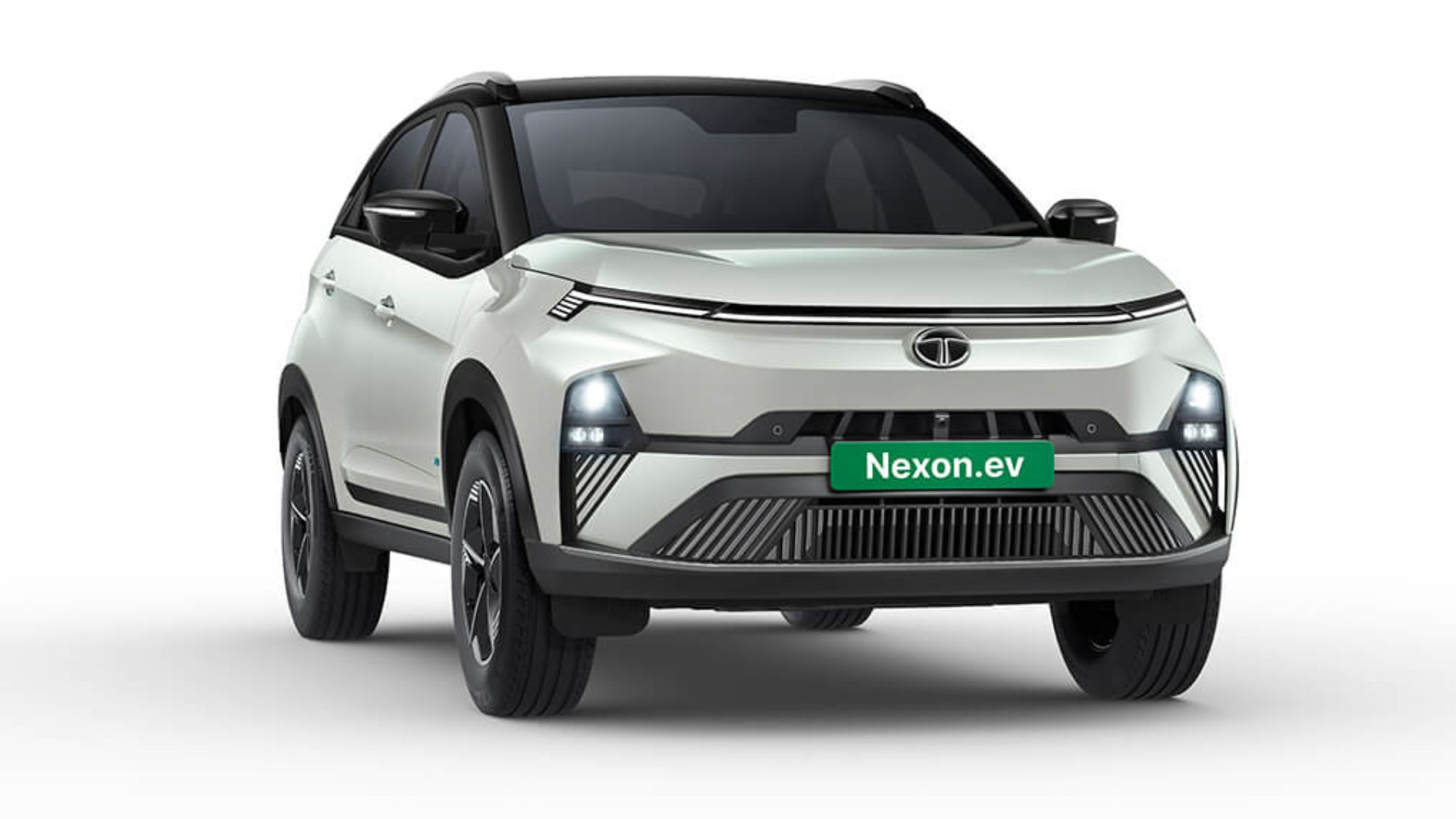
As I mentioned earlier, the Syros EV will compete against the Nexon EV and the XUV 3XO EV, with the former already having a wide presence across the country. Kia’s entry into the segment will depend on the debut price.
Moreover, the Syros EV will place Kia as a mass-market EV manufacturer, rather than a premium EV player in the country. If the EV is priced closer to Rs. 14 lakhs, especially for the entry-level variant, it could surely turn some heads. However, I’d reserve my verdicts for when the car actually hits the Indian roads.

You can follow Smartprix on Twitter, Facebook, Instagram, and Google News. Visit smartprix.com for the latest tech and auto news, reviews, and guides.