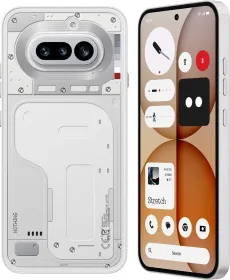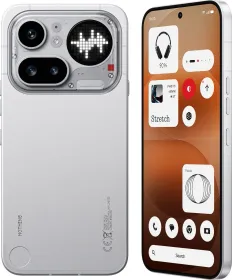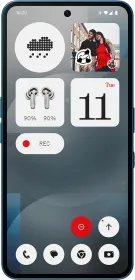


Nothing has expanded its A-series once again with the launch of the Nothing Phone (4a) (review) and the more ambitious Phone (4a) Pro. The standard model had already been teased over the past couple of weeks, but the Pro variant stayed under wraps until the announcement event, where it appeared alongside the new Headphone (a).
The Phone (4a) Pro is clearly pushing the series further with a more premium design, new display tech, and a camera system that looks far more ambitious than what we usually see in this segment. We spent some time with the device, and here are our first impressions.
Design and Build
The Phone (4a) Pro takes a clear step away from the design used on the Phone (3a) Pro. This time, Nothing goes with a full aluminum unibody build. The company uses aircraft-grade aluminum instead of the glass sandwich design from before. You feel that change the moment you pick it up. The metal frame and back feel cool to the touch, and the phone has a solid, dense feel in the hand.
Nothing says the new structure improves bend resistance by 42% compared to the previous generation. The aluminum body also helps move heat away faster during heavy use, such as gaming sessions or long camera recording.

Even with that metal build, the phone measures just 7.95 mm thick. That’s pretty slim considering the hardware inside. Nothing also says this is currently the slimmest metal unibody smartphone available.
Durability gets attention too. The Phone (4a) Pro comes with an IP65 rating, and Nothing says it can handle water exposure at around 25cm depth for up to 20 minutes. Gorilla Glass 7i protects the display as well.
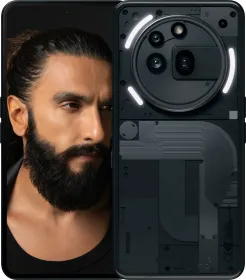
The signature transparent aesthetic remains part of the design, though Nothing has concentrated it around the camera module. The exposed mechanical details sit inside the 3D enclosure integrated into the aluminum body using nano-level engineering. Because the transparent section sits around the camera bump, the design remains visible even when a case covers the rest of the phone.
As for colors, Nothing sells the phone in three metallic finishes: Silver, Black, and Pink. The pink colorway stands out immediately. Light hits it in interesting ways and the color shifts slightly depending on the angle. In person, it feels bold without going overboard. It easily ends up being the most eye-catching option in the lineup.
Glyph Matrix

Another part of the design sits right around the camera module. The Phone (4a) Pro replaces the traditional Glyph interface with a new system called Glyph Matrix. This lighting system lives on the rear camera module and uses 137 precision mini LEDs.
Nothing says the matrix is 37% larger than the one on the Phone (3), and it can get twice as bright, reaching up to 3000 Nits. The lights can stay always on and show useful information directly on the back of the phone, so you do not always need to flip it over.

You can see small icons for incoming notifications, battery status, timers, or even a digital clock. The phone also lets you assign specific contacts to custom indicators. When those people call or message, the matrix lights up in a unique pattern so you immediately know who it is.
There is also a progress tracker built in (thanks to Live Activities on Android 16). The lights move across the matrix to show the status of things like rides, deliveries, or timers (a subtle animation that slowly completes as the task progresses).

Supported services include Uber, Google Calendar, Zomato, Just Eat, and Google Maps, and Nothing says more apps will join later.
Display

The Phone (4a) Pro also brings the most advanced display Nothing has used so far. It comes with a 6.83-inch AMOLED panel that now runs at a 1.5K resolution and supports a faster 144 Hz refresh rate. This makes it the highest refresh rate screen on any Nothing device so far.
The display also supports 10-bit color depth, which helps gradients look cleaner and more natural. Nothing also includes 2,160 Hz PWM dimming here, which helps reduce eye strain during long screen sessions (especially when you use the phone at lower brightness levels).
Brightness is another big part of the story. The display reaches around 800 nits with the manual brightness slider. High Brightness Mode pushes that up to about 1600 nits when you step outside. At its peak, the panel can hit up to 5000 nits in certain HDR scenarios.
Nothing also trims down the bezels further this year. They are the thinnest seen on a Nothing phone so far, which makes the front look cleaner and a bit more immersive when you watch videos or play games. And yes, they are symmetrical too.
Performance

Powering the Phone (4a) Pro is the Snapdragon 7 Gen 4 chipset. Nothing pairs it with LPDDR5X memory and UFS 3.1 storage (finally!), which gives the phone a solid hardware foundation for everyday use.
The phone starts with 128 GB of storage. For a device labeled as a Pro model, that starting capacity can feel a little modest. Still, it should remain manageable for most people unless they keep a lot of large videos, games, or offline content on their device.

Nothing also upgrades the cooling system this time. The phone includes a large 5300 mm² vapor chamber that should help control temperatures during long gaming sessions, extended camera use, or outdoor usage.
Camera System

The Phone (4a) Pro uses a triple camera system built around a new Sony LYT700C 50 MP main sensor (1/1.56-inch), paired with an f/1.88 aperture. Alongside the main camera sits a 0.6X 8MP ultra-wide camera and a telephoto system (50MP 1/2.76-inch f/2.88) capable of 3.5X optical zoom and 7X in-sensor zoom. The phone also introduces what Nothing calls ultra zoom, which reaches up to 140X through a mix of digital zoom and AI processing.
The periscope module itself has been redesigned. Nothing says the new unit is 32% smaller while using a W-shaped light path similar to the designs used in recent OPPO, vivo, and Apple camera systems.
The telephoto lens now carries an f/2.88 aperture and focuses at around 30 cm. That focusing distance means the camera loses the macro capabilities present on the Phone (3a) Pro, which could focus as close as 15 cm.

TrueLens Engine 4 powers the imaging pipeline with multi-frame RAW processing and dual-layer AI segmentation. Nothing says the system can improve shutter speed by up to one second in certain conditions.
The phone also introduces Motion Photos, allowing you to capture short video clips alongside photos. Each shot records a three-second clip similar to Live Photos. Video recording goes up to 4K Ultra XDR at 30 FPS.
The front camera uses a 32 MP sensor with an 89-degree field of view, which provides about 10% wider framing than the camera on the Phone (3a) Pro. The sensor itself is slightly smaller, moving from a 1/2.76-inch sensor to a 1/3.44-inch sensor, while keeping the same f/2.2 aperture.
Software and AI Features

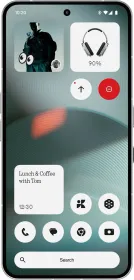
The Phone (4a) Pro runs Nothing OS 4.1 based on Android 16. The interface continues to focus on a clean experience without unnecessary bloatware. Nothing promises three years of Android updates and six years of security patches.
Nothing also adds several AI tools across the system. Most of them revolve around something called Essential Space. Think of it as a central hub that collects things like notes, voice recordings, screenshots, and photos. The system then analyzes that content and pulls out useful information such as tasks, reminders, or upcoming events.
For example, if you save a screenshot of a flight ticket or a meeting detail, the system can recognize the key information and help you keep track of it later. Everything inside Essential Space will also soon sync across devices, including phones, laptops, and desktops.

Then there is Essential Search. Instead of showing a list of links like a typical search tool, it tries to give direct answers. You can ask for things like recipes, quick translations, or news updates. Access is simple. Just swipe up on the home screen and type in the search bar.
Essential Memory works alongside this system. It helps you recall information that is already stored inside Essential Space, which makes it easier to find things you saved earlier.
The Phone (4a) Pro also gets Essential Apps. These are small tools you can create using simple text prompts, without any coding knowledge. Once created, they appear as widgets on the home screen and behave like lightweight apps designed around whatever task you want.
All of these features sit inside a section called Playground. This area also includes things like Glyph Toys, camera presets, and EQ profiles. It even hosts tools built with the Glyph SDK. Since Nothing has made that SDK public, developers and users can now create their own interactive Glyph tools and share them with others.
AI Eraser in the Gallery

Nothing has also tweaked its Gallery app, and the changes focus a lot on editing tools. One of the main additions is an AI Eraser. With a single tap, you can remove unwanted objects, reflections, or even people from a photo. The processing happens directly on the device (so the image does not need to be uploaded to a server).
The company also plans to introduce a Circle to Erase tool in a future update. The idea is simple. You circle the object you want removed, and the system automatically fills the area in a natural way.
Battery and Charging

Battery capacity actually varies depending on the region. The Indian version of the Phone (4a) Pro comes with a 5400 mAh battery, while global models use a slightly smaller 5080 mAh unit.
Both versions support 50W fast charging, so topping up the battery should stay fairly quick. Unfortunately, there is no charger included in the box.
Initial Impressions

The Phone (4a) Pro feels like the most ambitious A-series device Nothing has built so far. The aluminum body immediately gives the phone a more premium presence in the hand. At the same time, the new Glyph Matrix adds a fresh layer of personality. It turns the rear lighting into something that actually does useful things.
Then there are the broader upgrades. The display sees a noticeable jump, the battery gets larger, and the camera system is also quite versatile now. The Snapdragon 7 Gen 4 chipset does not stand out as the strongest performer at this price.
Even so, the rest of the hardware helps balance the package. The launch offers also make a difference here, especially the ₹4,000 bank discount and the ₹3,000 exchange bonus.
From this first look, the Phone (4a) Pro is a clear step forward from the Phone (3a) Pro. A proper verdict will still depend on how the cameras perform, how the chipset holds up over time, and how the battery behaves in daily use. That will need a longer test period before drawing final conclusions. Stay tuned.

You can follow Smartprix on Twitter, Facebook, Instagram, and Google News. Visit smartprix.com for the latest tech and auto news, reviews, and guides.