

TL;DR
- ASUS: no significant price drops expected for 1–2 years
- EMI adoption grew from 20% → 35–40% in one year
- EMI tenures now stretching to 18–24 months (up from 9–12)
- Leaner, better-configured Vivobook/Zenbook models coming H2 2025
Nobody likes that laptop prices are rising. ASUS isn’t pretending otherwise. Instead, the company is being unusually direct about what buyers face and has a plan to make things easier.
“We do not expect prices to drop significantly for the next year or two,” ASUS APAC GM Peter Chen said at a media roundtable this week. The culprit is the cost of integrating AI technology — NPUs, upgraded memory architectures, and the silicon required to run on-device AI workloads don’t come cheap. Chen’s advice to consumers waiting for better deals: “If a customer needs a machine now, we encourage them to buy rather than wait for a price drop that isn’t coming.”
That’s a blunt message, but ASUS is offering real alternatives.
The biggest immediate change for Indian buyers is how ASUS handles EMI. Before 2024, only about 20% of ASUS customers used EMI financing. As prices went up, ASUS worked with banks to offer no-cost EMI. That pushed EMI adoption to 30% by Q1 2024 and up to 35–40% by April and May. The industry also stretched EMI tenures from a 9–12 month cap to 18–24 months. On an ₹80,000 laptop, that monthly payment now makes sense for first-time PC buyers.
“If a laptop costs ₹80,000, spacing that out over 24 months makes the monthly installment much more palatable for the new generation of buyers,” ASUS India VP Arnold Su explained.
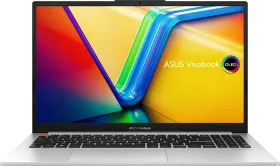
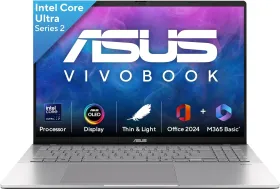
ASUS is also rethinking how it configures its laptops. For years, PC makers tried to outdo each other with more RAM and bigger SSDs, mostly to look good on spec sheets. Now, ASUS is checking if those specs actually fit how people use their laptops. Sometimes, a mainstream user doesn’t need a huge 32GB of RAM that only drives up the price. ASUS plans to launch more affordable Vivobook and Zenbook models built for real-world use, not just benchmarks, in the second half of 2025.

There’s a real risk here. Buyers and reviewers who are used to comparing spec sheets may push back against the idea that less storage can mean better value. ASUS will have to make its case clearly in its marketing.
But in a market where only 10–15% of households own a PC, the entry price matters a lot. Lowering that price through smarter configurations, not just cheaper parts, could shape ASUS’s growth in India.
You can follow Smartprix on Twitter, Facebook, Instagram, and Google News. Visit smartprix.com for the latest tech and auto news, reviews, and guides.