


TL; DR
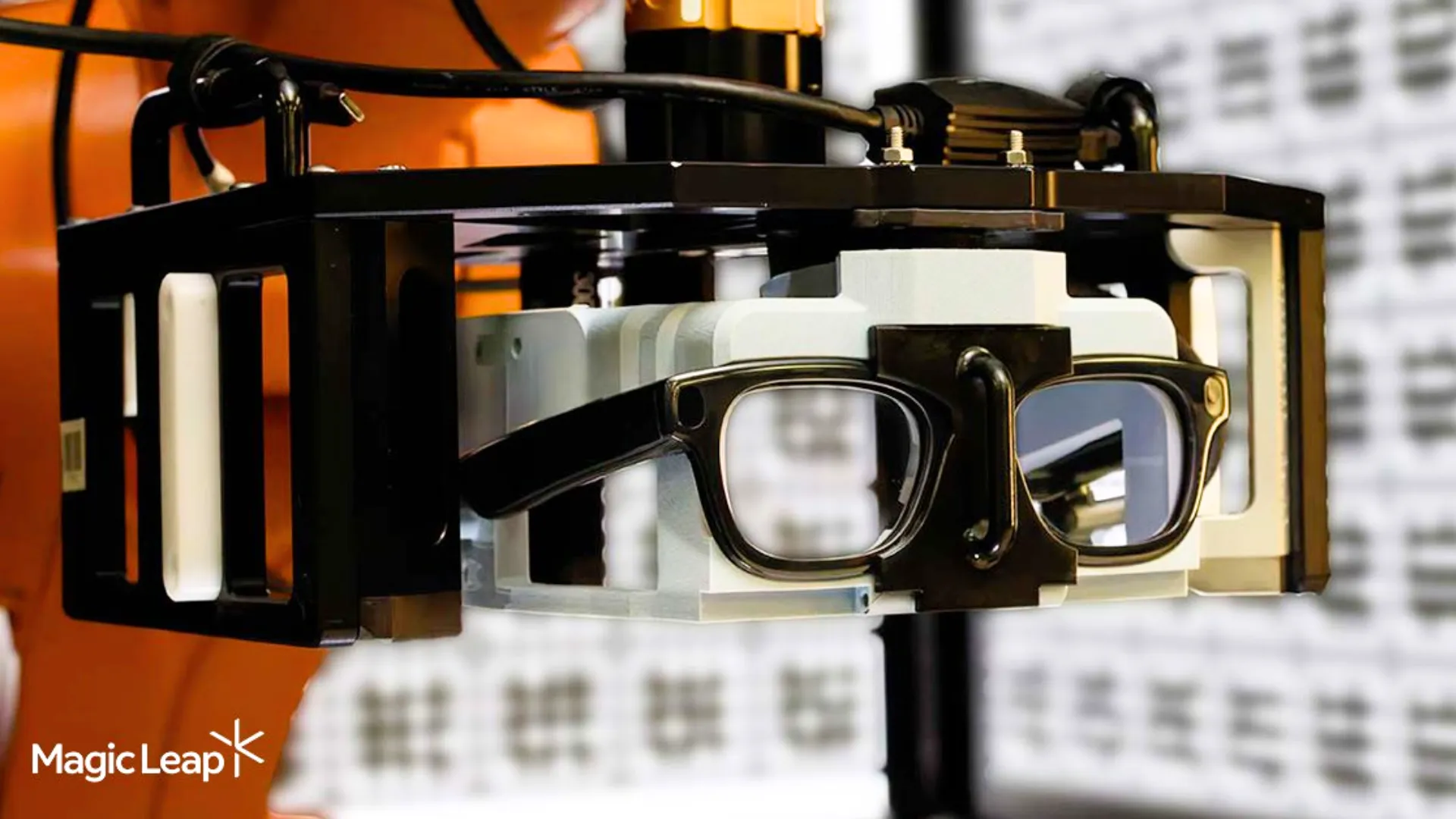
- Magic Leap has showcased a prototype of the Android XR smart glasses, built in collaboration with Google.
- For those catching up, Magic Leap is known for its augmented reality (AR) technology, particularly its advanced lightfield optics and waveguides that project high-precision, realistic 3D images into a user’s field of view.
- In the demo, the companies showcased how the glasses integrated Gemini live camera sharing to analyze what the user is seeing and answer related queries.
Meta has already released its Ray-Ban Display smart glasses with an integrated screen in September, giving the company a first crack at any such device. Now, Magic Leap and Google are following up with their Android-powered XR glasses, not with a public release, but by showcasing their collaborative effort at the Future Investment Initiative in Riyadh.
Also Read: Snapdragon 8 Gen 5 Leak Reveals Flagship-Level CPU and Impressive Benchmarks
Magic Leap and Google Team Up on XR Smart Glasses
Magic Leap has showcased a prototype of the Android XR smart glasses, built in collaboration with Google. Like the variety of glasses available in the market, these feature a camera, a microphone, and speakers. However, unlike most of them, these also include an in-lens display, made possible by Magic Leap’s proprietary waveguides paired with Google’s Raxium microLED light engine.
Advanced Optics Meet AI-Powered Intelligence
For those catching up, Magic Leap is known for its augmented reality (AR) technology, particularly its advanced lightfield optics and waveguides that project high-precision, realistic 3D images into a user’s field of view. In simpler terms, the company has brought its expertise in optics and manufacturing, while Google has brought its AI and display technology to the mix.
In the demo, the companies showcased how the glasses integrated Gemini live camera sharing to analyze what the user is seeing and answer related queries. Meanwhile, the answers to the question will appear directly in the users’ view, thanks to the in-lens display technology. The two companies involved in developing the smart glasses have also extended their partnership for three more years.
Also Read: Jio’s free Google Gemini AI Pro offer is Live— Here’s How to Redeem Right Now
For now, Magic Leap plans not to enter into the product business on its own. Instead, the company wants to serve as an AR ecosystem partner, providing the required infrastructure and technical know-how to other companies that could utilize it for their smart glasses. While neither company announced a launch date for the device, showcasing a working prototype suggests it is moving closer to reality.
The Road Ahead: Pricing and Market Competition
It’s worth mentioning that we’ve already seen the Android XR operating system in action on the $1,799.99 Samsung Galaxy XR headset. Its key features include Home Space and Full Space modes —persistent virtual environments where apps can either display content over a passthrough view of the real world or in a full immersive virtual space —deep integration with Gemini AI, and access to a vast ecosystem of apps and tools through the Google Play Store.
For the Magic Leap and Google Android XR smart glasses to gain any traction, they should be priced similarly to the Meta Ray-Ban Display (at $799). More details about the glasses should surface in the coming days.
Also Read: Exclusive: Realme GT 8 Pro India Launch Happening on Novmber 20th to Spoil the OnePlus 15’s Party

You can follow Smartprix on Twitter, Facebook, Instagram, and Google News. Visit smartprix.com for the latest tech and auto news, reviews, and guides.