

TL; DR
- Meta VR Glasses are launching in Spring 2027 at $1,299.99, well below the $3,499 Vision Pro.
- The glasses weigh around 100 grams, with the battery, storage and compute moved to a separate puck.
- They feature a 5K Infinite Display at 37 pixels per degree and run on Qualcomm’s Snapdragon Reality Elite chip.
- Meta is focusing heavily on entertainment, with Disney+ 3D, IMAX Enhanced and live sports partnerships.
Meta has announced its next-generation VR glasses, taking a very different approach from the Apple Vision Pro. Instead of putting the battery and computing hardware inside the headset, Meta has moved those components into a separate puck that connects to the glasses.
That lets Meta keep the glasses at around 100 grams, while also bringing the starting price down to $1,299.99. The glasses are scheduled to launch in Spring 2027.
Meta Moves the Heavy Hardware Off Your Head
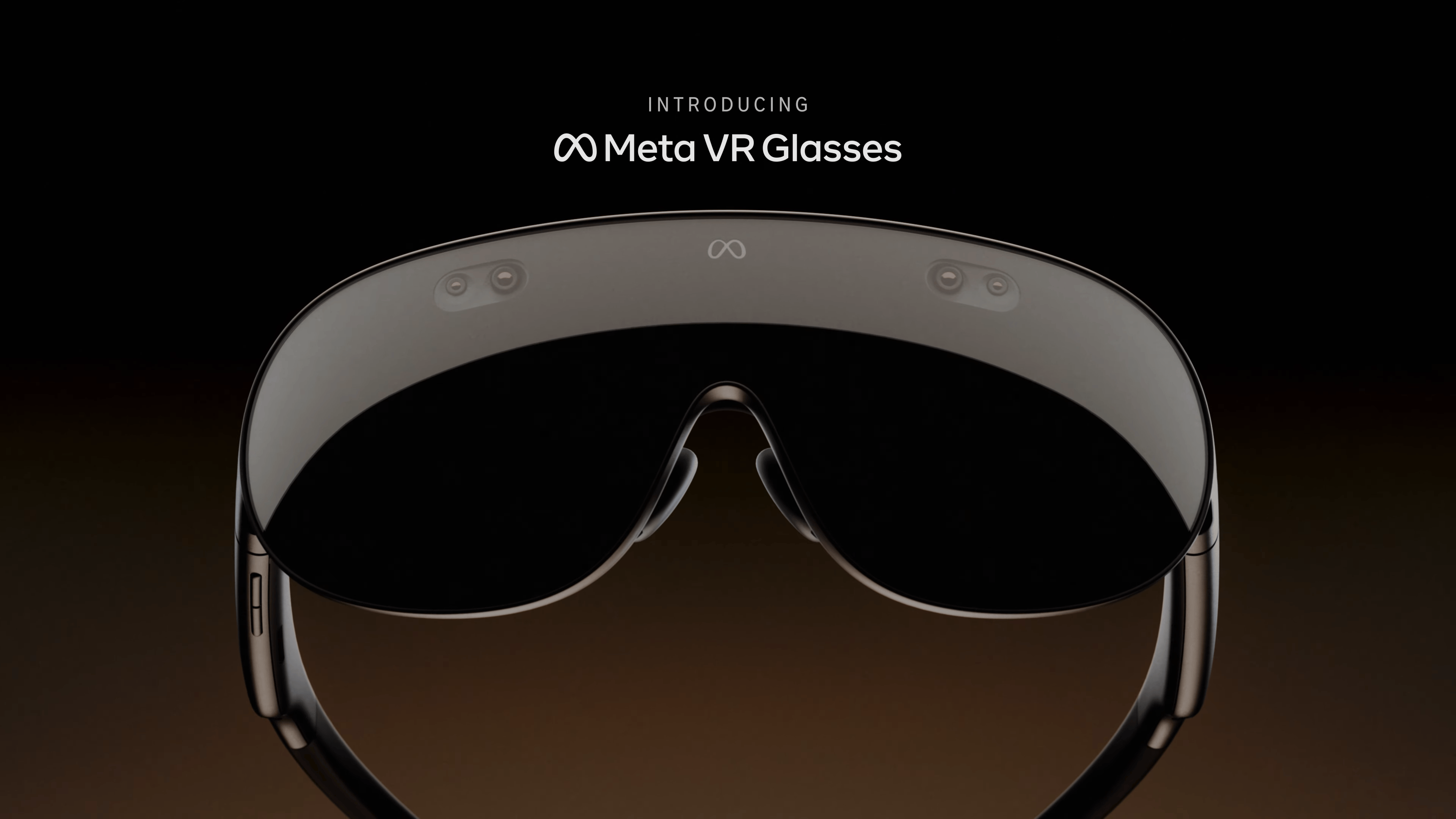
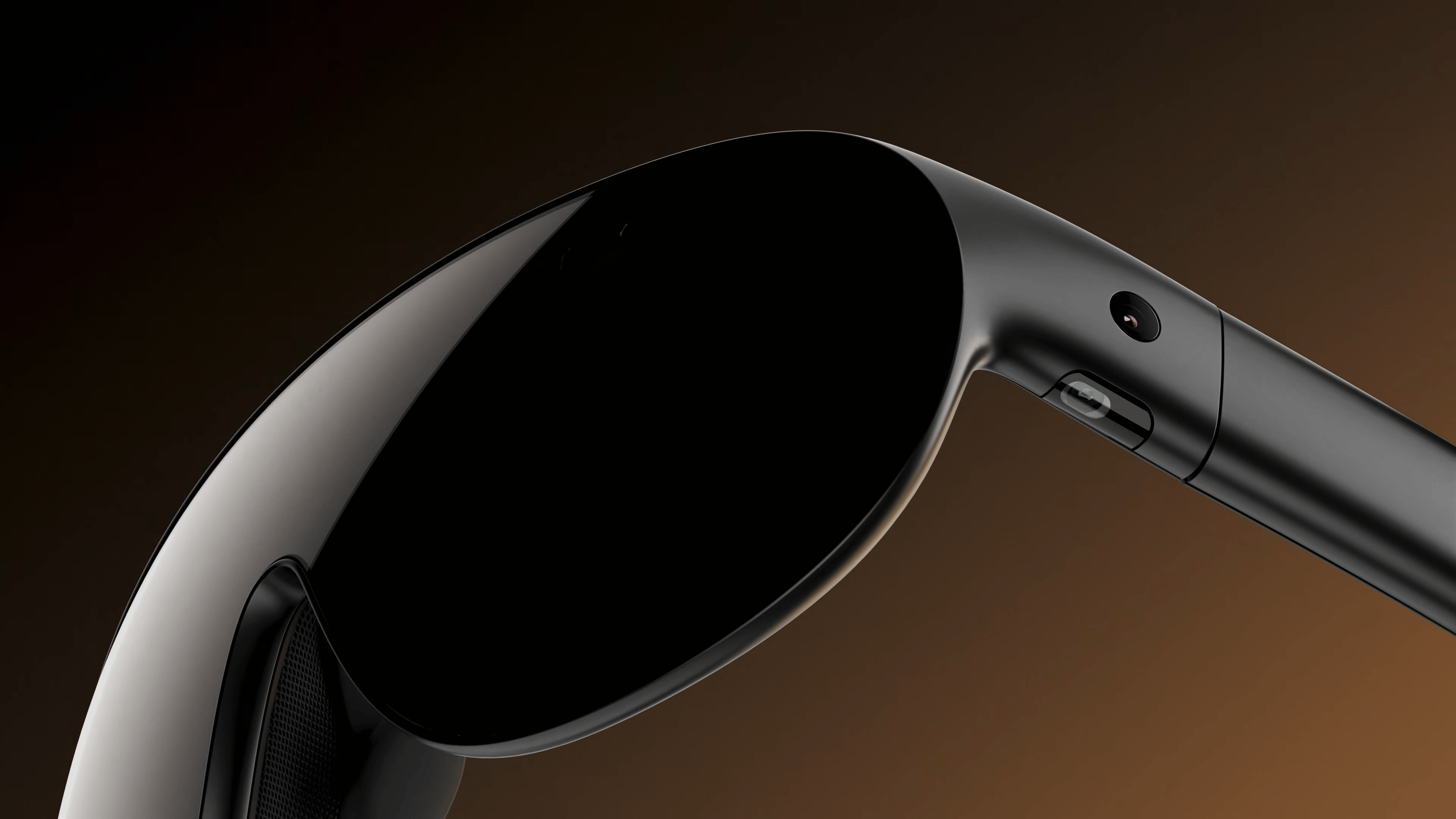
The Meta VR Glasses use a magnesium alloy frame with open sides and a passthrough camera. Meta says they’re around five times lighter than the Quest 3, with the glasses housing the display and sensors while the separate puck handles the battery, storage and computing.
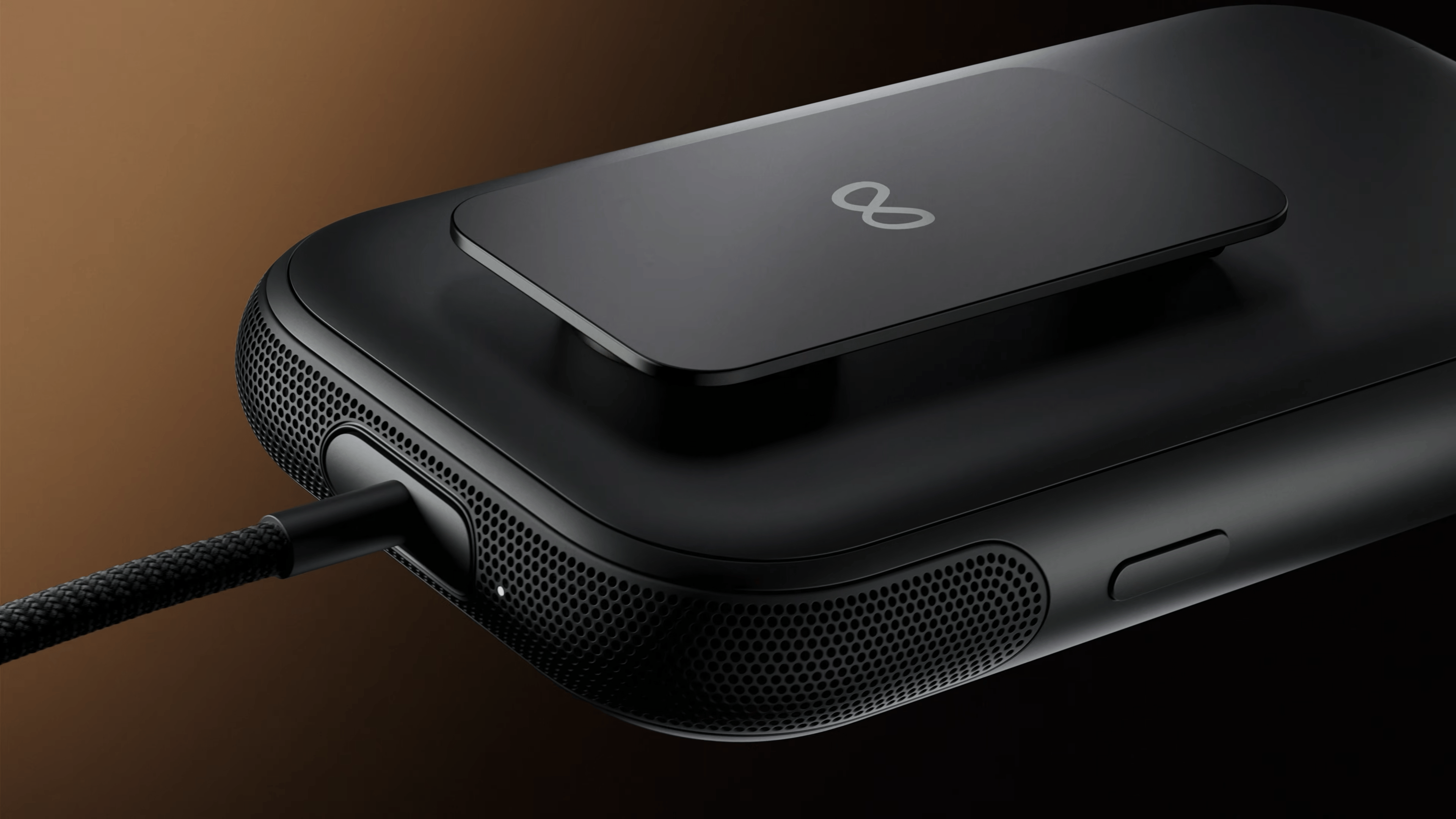
At around 100g, they’re considerably lighter than the Apple Vision Pro, which weighs around 600g to 650g for the M2 model and 750g to 800g for the newer M5 version, excluding Apple’s 353g battery pack.

Apple also uses an external battery, but the Vision Pro still keeps its main computing hardware and display system on the headset itself. Meta has moved much more of the weight away from the user’s head.
5K Infinite Display

Meta’s headline display specification is a 5K Infinite Display with 37 pixels per degree, using micro-OLED panels and custom pancake lenses. The glasses also support Dolby Vision and Dolby Atmos.
Apple’s Vision Pro uses two micro-OLED displays with 3,660 x 3,200 pixels per eye, adding up to roughly 23 million pixels across both eyes. The M5 model can also reach up to 120Hz.
Meta hasn’t shared the per-eye resolution or refresh rate of its glasses yet, so the 5K figure isn’t directly comparable with Apple’s per-eye resolution.
Snapdragon Reality Elite and Three-Hour Battery

The Meta VR Glasses run on Qualcomm’s new Snapdragon Reality Elite chip, while Apple’s Vision Pro uses its M2 or M5 chip alongside the dedicated R1 sensor processor.
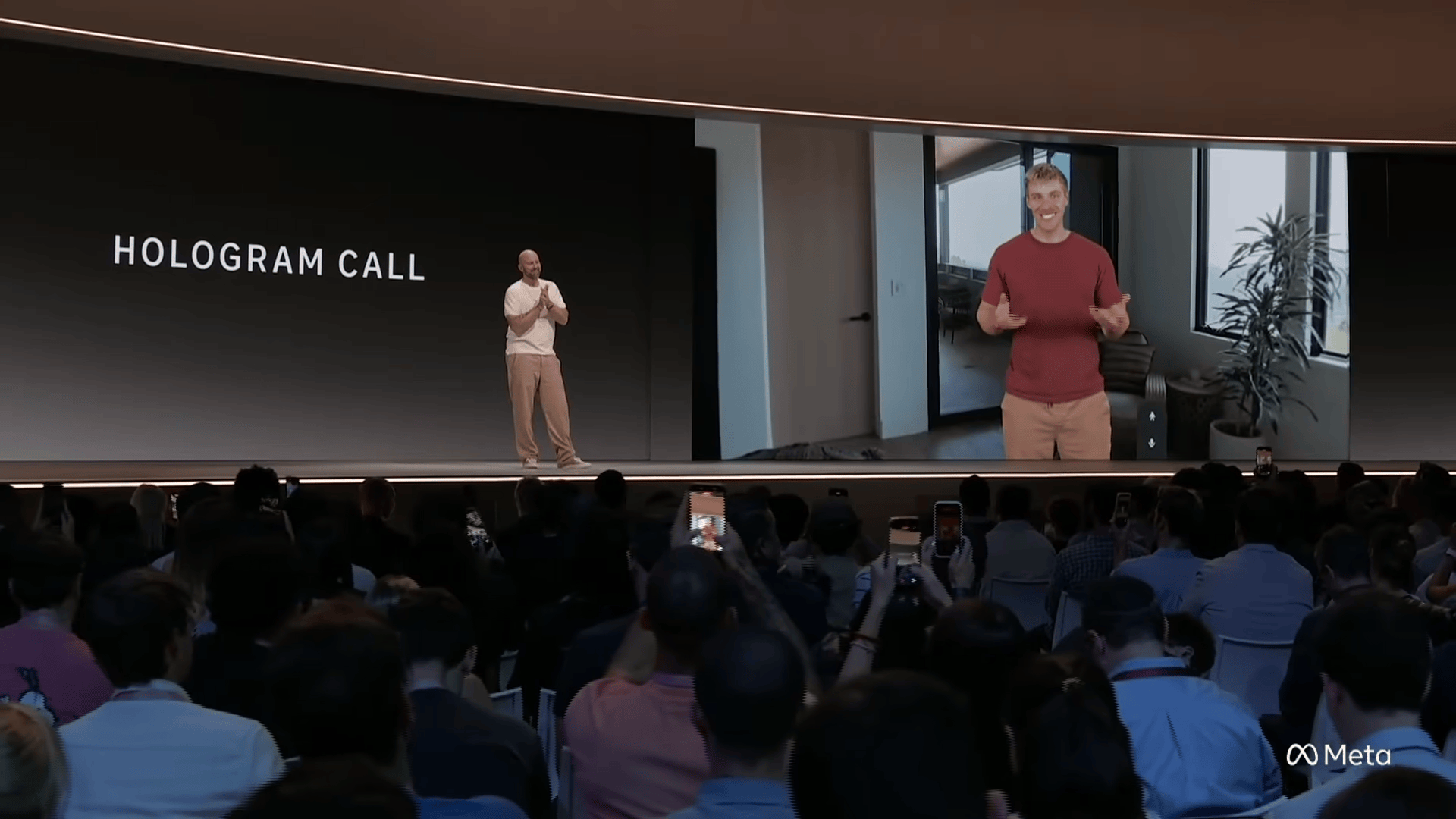
The separate puck handles the battery as well. Meta claims up to three hours of continuous high-resolution media playback, with 45W fast charging. The glasses also support full body realisitic holograms for video calls, which is realy impressive.
The glasses can also connect to a Mac or Windows PC, either wirelessly or through a physical connection, and use the computer’s existing keyboard and mouse. Meta is also supporting Xbox Cloud Gaming along with wireless and wired streaming from handheld gaming devices.

Meta AI is built into the glasses and can be controlled using voice, eye tracking and hand gestures. Touch Plus controllers are still supported for gaming.

Entertainment is another major part of Meta’s pitch. The glasses are the first IMAX Enhanced-certified VR device, and Meta has partnerships covering Disney+ 3D content and immersive sports from the NBA, MLB and UFC. Meta is also working on original immersive content involving personalities including Draymond Green and Billie Eilish.

Apple’s Vision Pro has taken a broader spatial-computing approach, with visionOS and its App Store sitting at the center of the experience. Meta is putting more emphasis on making the glasses a personal entertainment device while keeping the hardware light enough for longer sessions.
Meta VR Glasses vs Apple Vision Pro
The two devices take very different approaches to VR. Apple puts more computing hardware directly into the headset and pairs it with high-resolution displays. Meta moves the compute, battery and storage into a separate puck to keep the glasses much lighter. In my opinion, Meta’s approach is more practical.
The price difference is also substantial. At $1,299.99, Meta’s glasses cost less than half of the $3,499 starting price of the Apple Vision Pro.
The three-hour battery claim will be one of the more important things to test once the glasses are available. The separate puck solves the weight problem, but Meta still needs to show how practical the setup is during long flights, gaming sessions and extended movie watching.
Anyway, the Meta VR Glasses are scheduled to launch in Spring 2027, so there is still plenty of time for Meta to reveal more details before they go on sale.

You can follow Smartprix on Twitter, Facebook, Instagram, and Google News. Visit smartprix.com for the latest tech and auto news, reviews, and guides.