



Google-parent Alphabet Inc. is rewriting the rules of the AI arms race with a staggering $190 billion capital expenditure plan for 2026, announced by CEO Sundar Pichai at Google I/O. This aggressive investment targets next-generation AI infrastructure and marks a pivotal moment in the global semiconductor landscape, with major implications for industry leader Nvidia.
Alphabet’s 2026 capex vision represents a six-fold leap over its $31 billion spend just four years ago. The strategic focus: building out vast, energy-efficient AI data centers and accelerating in-house semiconductor innovation. A central pillar of this push is Google’s custom Tensor Processing Units (TPUs), designed to reduce reliance on third-party chipmakers like Nvidia.

“Supporting the global scale of our products and serving enterprises and developers worldwide requires massive investments in infrastructure,” said Pichai. “A key part of this investment is our custom silicon.”
ALSO READ: Google Showcases Samsung’s Android XR Glasses, a joint project with Warby Parker and Gentle Monster
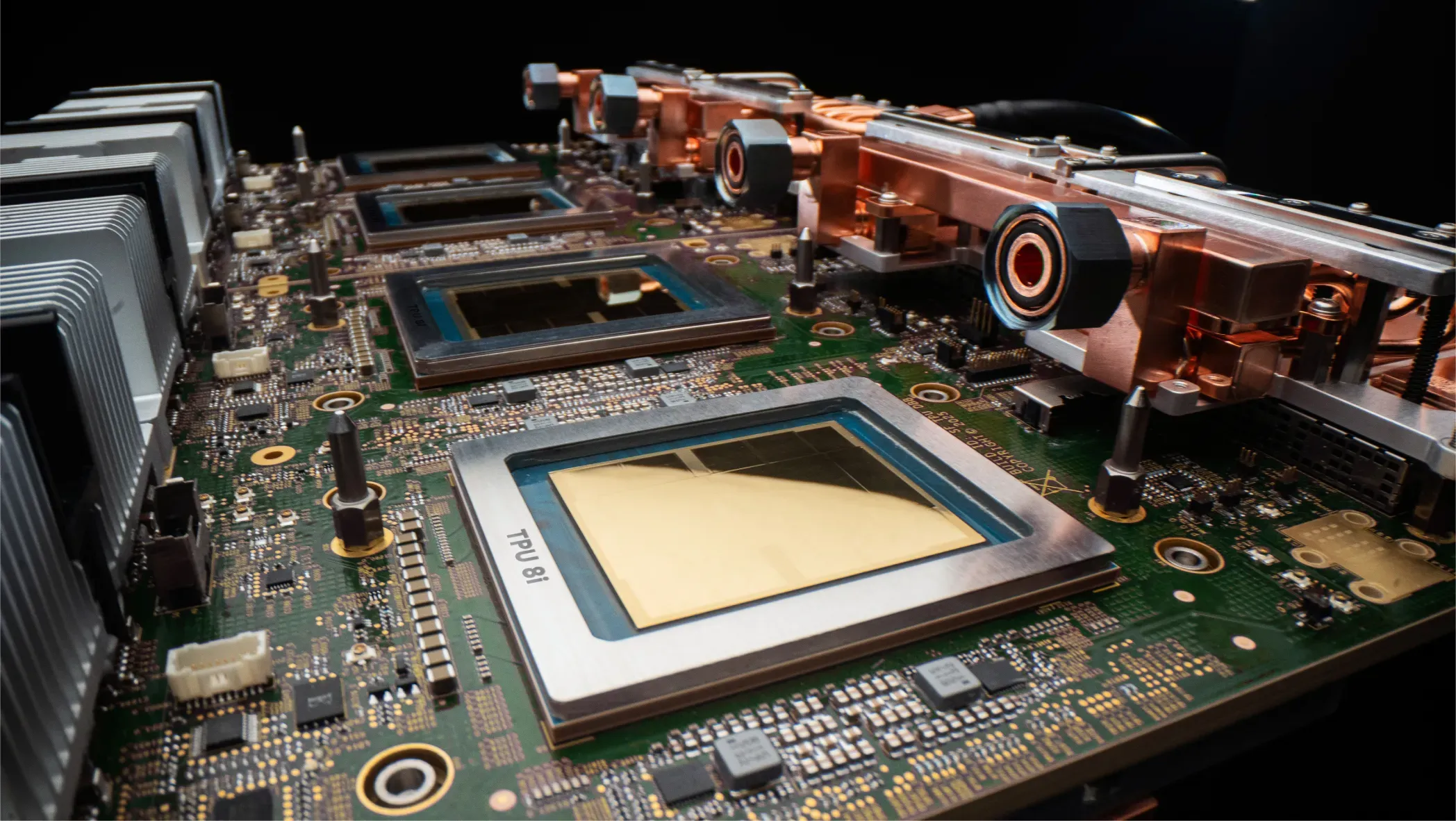
The unveiling of Google’s 8th-generation TPUs i.e. TPU 8t for training and TPU 8i for inference spotlights Alphabet’s determination to carve out greater independence in AI hardware. TPU 8t delivers triple the computing power of its predecessor, enabling distributed model training across over one million TPUs globally. TPU 8i is engineered for real-time AI applications, offering ultra-low latency and up to 2x improved energy efficiency per watt—critical for powering Google’s AI-driven services at scale.
AI Ecosystem Growth: By the Numbers
- 8.5 million+ developers build with Google AI monthly
- 19 billion tokens per minute processed via Google’s APIs
- 375+ major cloud customers processed over one trillion tokens each in 2025
- Gemini App: 900 million+ monthly active users, doubling year-over-year
- AI Overviews: Serving 2.5 billion+ users monthly
- AI Mode: Now over 1 billion monthly actives


Global and Industry Impact
This seismic investment is set to reshape the geography of AI innovation, with ripple effects for data centers, enterprise adoption, and the semiconductor supply chain from Silicon Valley to Asia. As Alphabet accelerates its custom chip production, major players in the AI ecosystem including Nvidia, AMD, and global foundries face a rapidly evolving competitive landscape.
What This Means for the Future of AI Alphabet’s $190 billion commitment cements its leadership in the AI revolution, while sending a clear message: the race for AI supremacy is shifting from off-the-shelf GPUs to proprietary hardware and global-scale infrastructure. This move could redefine how companies worldwide build, deploy, and scale AI-powered products.
You can follow Smartprix on Twitter, Facebook, Instagram, and Google News. Visit smartprix.com for the latest tech and auto news, reviews, and guides.