

Snapdragon 8 Elite Extreme Gen 6 vs. A20 Pro: Table of contents
Two nanometers. That’s the number every chip maker has been chasing all year. Samsung crossed the finish line earlier this year with the Exynos 2600 (2nm) chipset, and Apple and Qualcomm have since followed with their latest-generation silicon.
The Cupertino giant released its first 2nm chip with the iPhone 18 Pro series and the iPhone Duo on September 9, 2026. Qualcomm followed on September 22, 2026, with the Snapdragon 8 Elite Extreme Gen 6, its most aggressive flagship silicon yet, built to touch the 5GHz milestone for mobile chipsets and handle on-device AI workloads like no other chip in its segment has attempted before.

Snapdragon 8 Elite Extreme Gen 6 vs. A20 Pro: The Nomenclature Difference
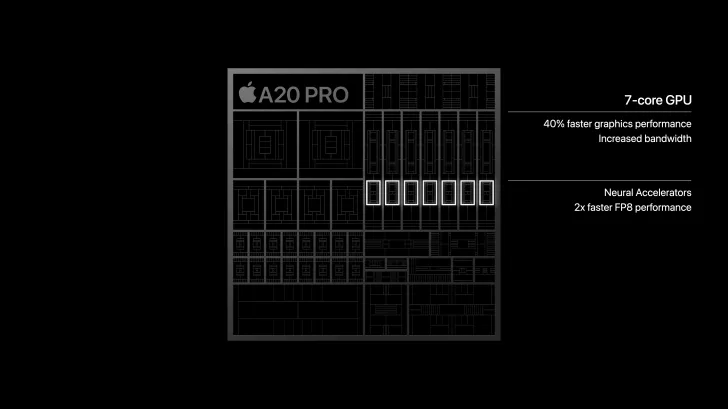
One note before we dive in. “Snapdragon 8 Elite Extreme Gen 6” is Qualcomm’s name for a complete system-on-chip platform, which includes the CPU, GPU, NPU, the X105 modem, and the FastConnect 8800 wireless system. It’s a complete package. Apple’s “A20 Pro” is the name for the chipset housing the CPU, GPU, and Neural Engine.
All the other things we’ll discuss, including the C2 modem and the N1 chip, handle smaller tasks; they’re not part of Apple’s A20 Pro chip, but they complement it as well as possible.
Snapdragon 8 Elite Extreme Gen 6 vs. Apple A20 Pro: Specs At A Glance
| Snapdragon 8 Elite Extreme Gen 6 | Apple A20 Pro | |
| Announced | September 22, 2026 | September 9, 2026 |
| Process node | TSMC N2P (2nm-class) | TSMC N2 (2nm) |
| CPU | 2+6 Oryon cores, up to 5.0GHz | 6-core (2+4), up to 4.93GHz |
| GPU | Adreno, 3 slices up to 1.45GHz, Neural Fusion | 7-core Apple GPU, up to 1,620MHz, Neural Accelerators |
| NPU | Hexagon NPU + Element Accelerator | Dual 16-core Neural Engine (32 cores) |
| Max RAM | Up to 24GB LPDDR5x/6 (chip-disclosed ceiling) | 12GB LPDDR5X (observed in current devices) |
| Storage | UFS 5.0 | NVMe-based (generation undisclosed) |
| Cellular modem | Integrated: Snapdragon X105 | Separate chip: Apple C2 |
| Wi-Fi / Bluetooth / UWB | Integrated: FastConnect 8800 | Separate chip: Apple N1 |
| First devices | Xiaomi 18 series, Moto Signature 27 | iPhone 18 Pro, Pro Max, iPhone Duo |
Also Read: Apple M5 vs Apple M6: What’s New?
Fabrication Technology
| Snapdragon 8 Elite Extreme Gen 6 | Apple A20 Pro | |
| Foundry | TSMC | TSMC |
| Process node | N2P (enhanced 2nm) | N2 (baseline 2nm) |
| Announced | September 22, 2026 | September 9, 2026 |
| Claimed CPU peak clock | 5.0GHz (industry-first claim) | 4.93GHz |
On the surface, both chips use the latest 2nm fabrication technology, but only when you dig deeper do you see the difference.
Both phones rely on TSMC’s latest 2nm fabrication technology. Although the 2nm designation doesn’t refer to the actual transistor size, it represents a significant leap in chip manufacturing. Smaller, more densely packed transistors allow chipmakers to improve performance while reducing power consumption.

Essentially, the latest advancement in silicon manufacturing is all about delivering more processing power with even greater energy efficiency than 3nm chips.
Apple’s A20 Pro runs on TSMC’s baseline N2 node. It entered mass production in late 2025. Leveraging its position as one of TSMC’s largest customers, Apple secured most of the production volume for its chips (to avoid any component shortages in the iPhone 18 Pro’s lifecycle).
Also Read: Pixel 11 Pro XL vs. iPhone 17 Pro Max vs. Galaxy S26 Ultra: The Ultimate 2026 Flagship Comparison
The Snapdragon 8 Elite Extreme Gen 6 uses N2P. It is basically an enhanced revision of the same node, with a modest bump (~5%) in performance and efficiency. I can’t say it with absolute certainty, but I think the difference shows in 8EEG6’s 5 GHz peak and A20 Pro’s 4.93 GHz clock speeds.

CPU
| Snapdragon 8 Elite Extreme Gen 6 | Apple A20 Pro | |
| Total cores | 8 (2 Prime + 6 Performance) | 6 (2 Super + 4 Efficiency) |
| Architecture | Custom 64-bit Oryon | Custom 64-bit Apple CPU, ARMv9.4-A |
| High-performance clock | Up to 5.0GHz (2 cores) | Up to 4.93GHz (2 Super cores) |
| Secondary core clock | Up to 4.0GHz (6 Performance cores) | Up to 2.64GHz (4 Efficiency cores) |
| Cache | 16MB Oryon Flex Cache (shared L2) | 16MB + 8MB L2, 36MB SLC |
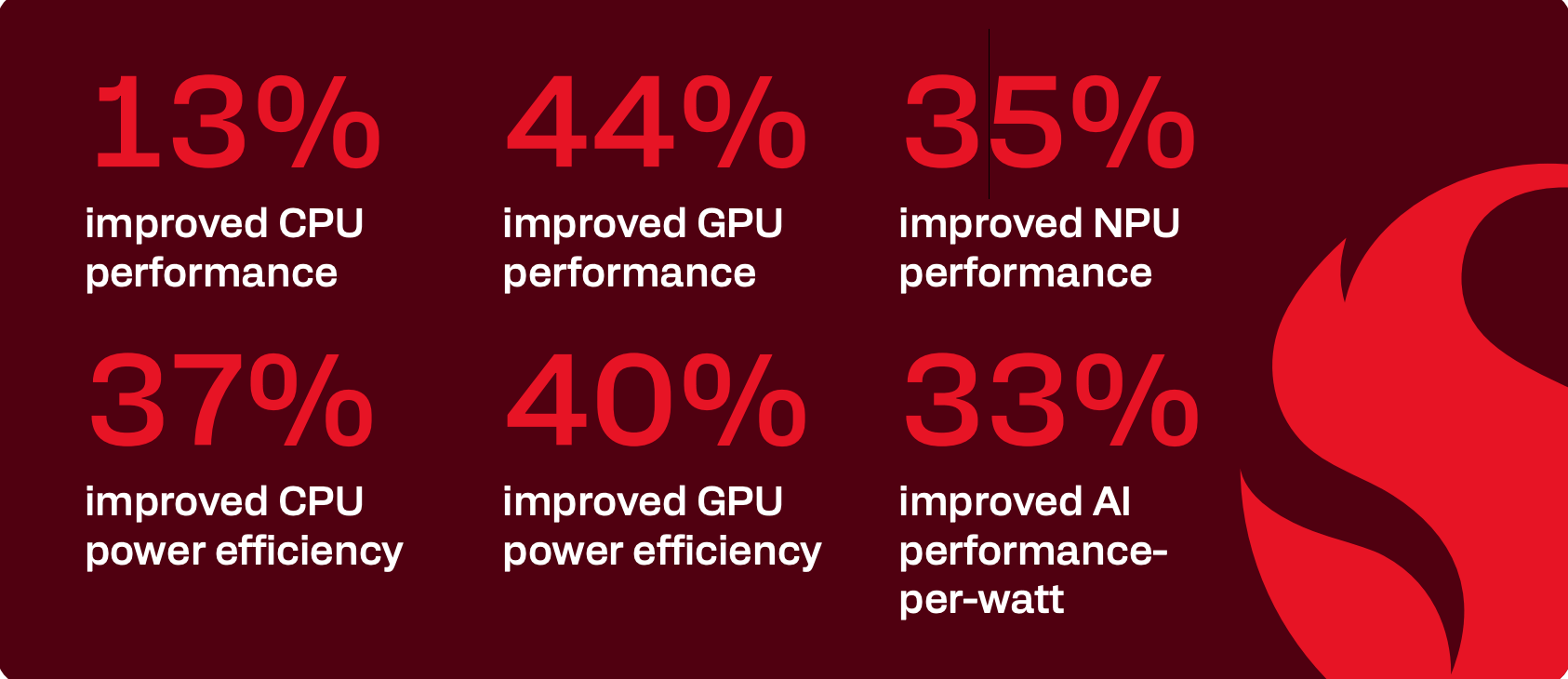
| Claimed gen-on-gen gain | +13% performance, +37% efficiency (vs Gen 5) | Not disclosed as one CPU figure by Apple |
First and foremost, the two chips have different core counts. The 8EEG6 features an octa-core CPU with two prime cores and six performance cores. Qualcomm has removed the chipset’s efficient or balanced cores entirely.
It’s More Than Just The Clock Speed
The prime cores can reach up to 5.0 GHz, a genuine first for a smartphone-grade chipset. The performance cores also reach up to 4.0 GHz. In comparison, the Apple A20 Pro features six cores: two Super cores clocked up to 4.93 GHz and four efficiency cores clocked up to 2.64 GHz.
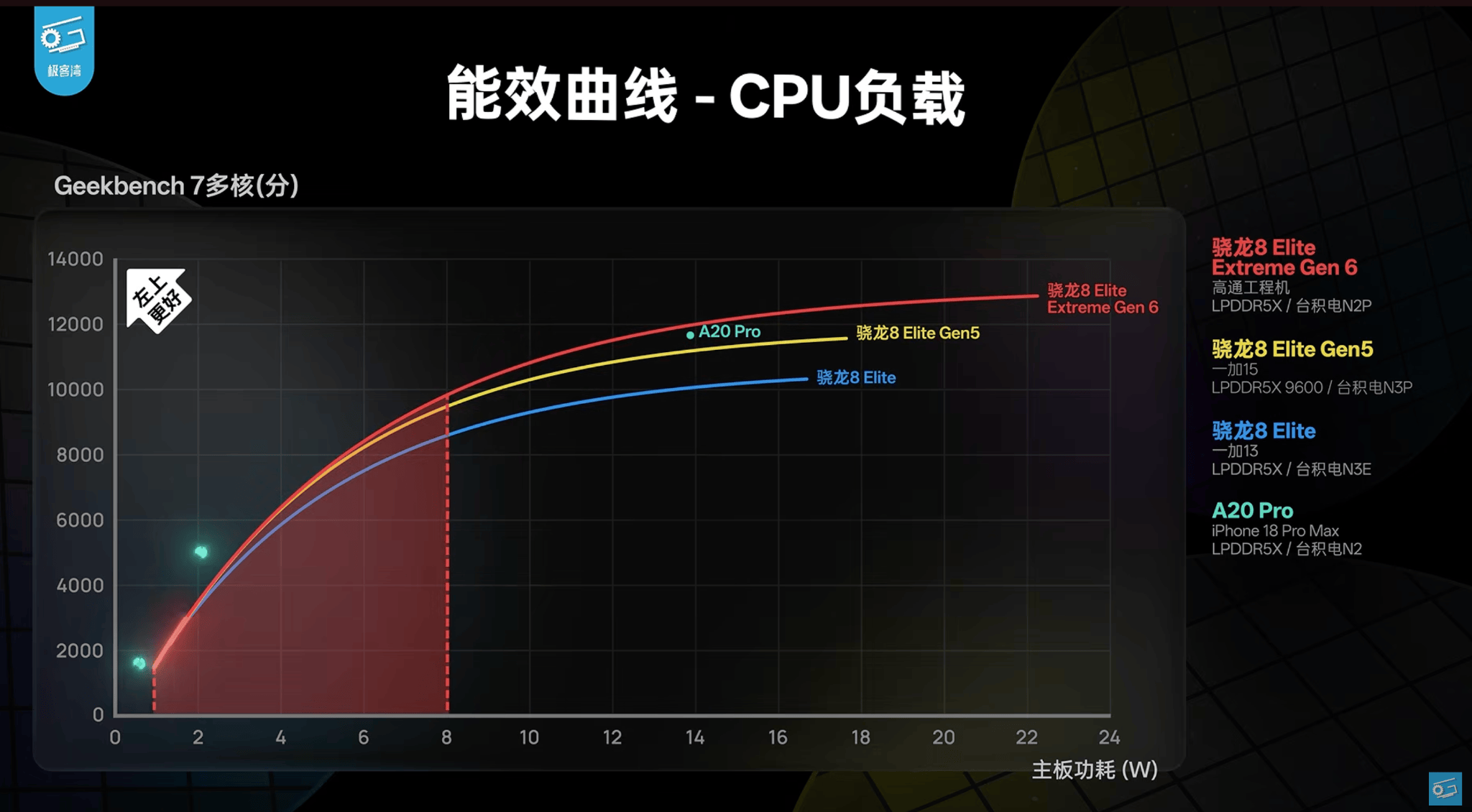
On paper, Qualcomm’s Oryon configuration may look better, especially given its higher peak clock speed and more performance-oriented cores. In raw multi-threaded work, it does, too. However, in single-core performance, Apple’s two Super Arm cores still pull ahead by roughly 9%.
Also Read: JioTag 2 vs. Apple AirTag (2nd Gen): Which Is The Better Bluetooth Tracker For You?
Clock speed isn’t the only factor that determines how fast a CPU is. A core that runs at a slightly lower frequency can still be faster if it can do more work per clock cycle. Factors such as IPC, how efficiently the CPU predicts and processes instructions, how quickly it accesses data, and how well the hardware and software are optimized all play a role.
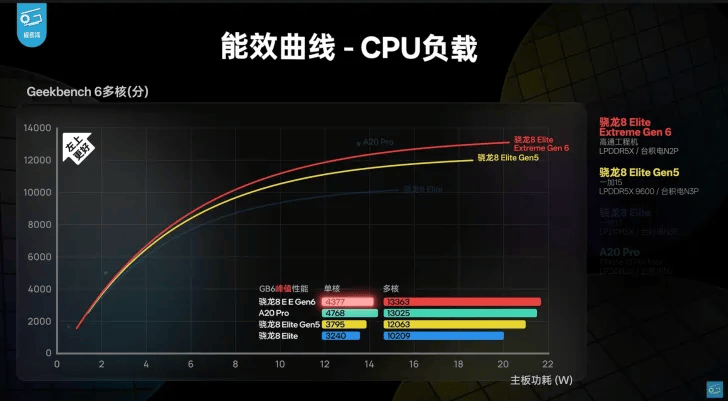
Apple’s unified memory architecture could also be at play here. However, due to the sheer number of performance cores, the 8EEG6 pulls ahead in multi-core scores. It would be more interesting to see how both chips perform under sustained load.
| Node & Memory | Single-Core | Multi-Core | |
| Snapdragon 8 Elite Extreme Gen 6 (Qualcomm engineering sample) | TSMC N2P, LPDDR5X | 4,377 | 13,363 |
| Apple A20 Pro (iPhone 18 Pro Max) | TSMC N2, LPDDR5X | 4,768 | 13,025 |
| Snapdragon 8 Elite Gen 5 (OnePlus 15) | TSMC N3P, LPDDR5X-9600 | 3,795 | 12,063 |
| Snapdragon 8 Elite (OnePlus 13) | TSMC N3E, LPDDR5X | 3,240 | 10,209 |
The Snapdragon numbers come off a Qualcomm engineering sample, not retail silicon, so take them with a pinch of salt. The final versions that land in commercially available phones could be lower (the most likely scenario) or a bit higher.
Despite the technical differences, both chips are good enough to handle everything you can do on a smartphone, including running language models locally.
GPU
| Snapdragon 8 Elite Extreme Gen 6 | Apple A20 Pro | |
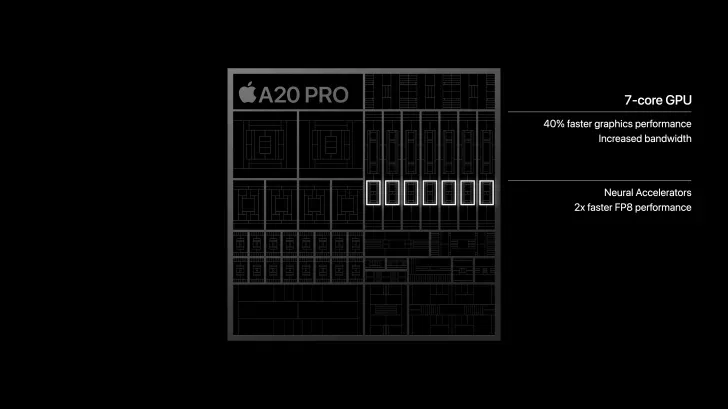
| GPU | Adreno with Neural Fusion & Matrix Cores | Apple-designed 7-core GPU with Neural Accelerators |
| Architecture | 3 shader slices, up to 1.45GHz (Gen 5 was 1.2GHz) | 7 cores, up to 1,620MHz |
| Dedicated graphics memory | 18MB Adreno High-Performance Memory, separate pool exclusive to the GPU (Extreme tier only) | None; shares the chip’s unified LPDDR5X pool with the CPU and Neural Engine |
| Ray tracing | Real-time hardware-accelerated, Unreal Engine 5 Lumen support | Hardware-accelerated (listed directly in Apple’s own chip spec) |
| Claimed gen-on-gen gain | +44% performance, +40% efficiency (vs Gen 5) | +40% faster graphics (vs A19 Pro, Apple’s claim) |
| Game engine support | Unreal Engine 5 (Lumen, MegaLights, Nanite), Unity, Messiah | Metal-based; third-party engine support varies |
Both chips claim over 40% better GPU performance over their immediate predecessor.
Qualcomm’s three wide shader slices and Apple’s seven smaller GPU cores aren’t directly comparable. One architectural difference worth flagging is that the Extreme tier’s 18MB Adreno HPM is a dedicated memory pool sitting closer to the GPU, while Apple’s GPU draws entirely from the same unified LPDDR5X pool as the CPU and Neural Engine.
I don’t have evidence to back this claim right now, but dedicated memory tends to perform better under sustained load. The GPU isn’t competing with everything else on the chip for the memory bandwidth. However, Apple’s highly-efficient unified memory could make up for that difference.
Also Read: Samsung Galaxy Z Fold 8 Ultra vs. Z Fold 7: The Definitive Foldable Flagship Comparison For India
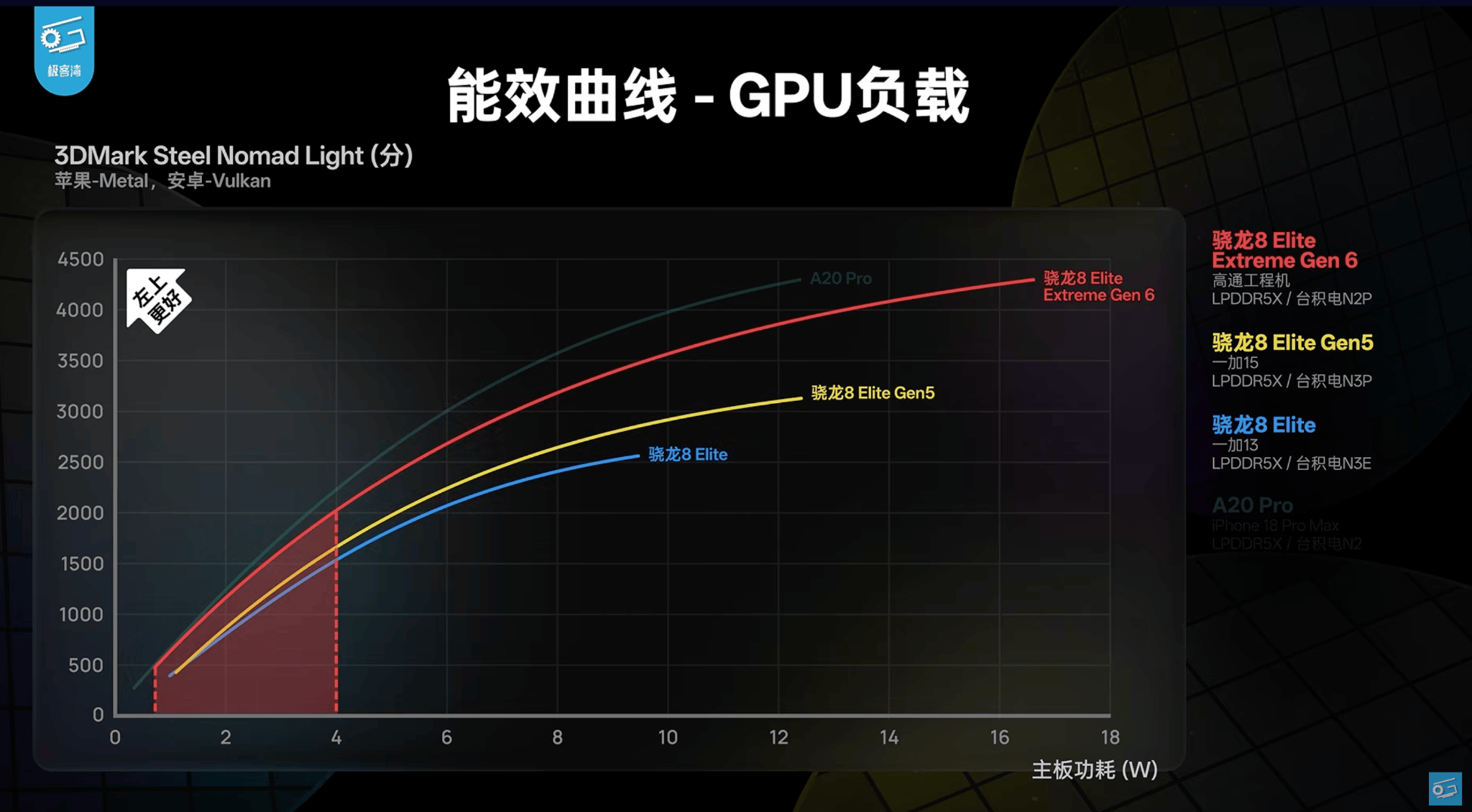
Early 3DMark Steel Nomad Light data suggests the A20 Pro holds a clear efficiency edge in the mid-power range, staying stable around the 4-watt mark through extended runs. The Snapdragon 8 Elite Extreme Gen 6 takes the opposite approach, comfortably scaling up to 18 watts chasing peak Vulkan rendering ceilings.
For you, the technical difference shouldn’t be very tangible, mainly because both chips pack enough gaming horsepower to tackle AAA video games at the highest graphics and frame-rate settings.
NPU And On-Device AI
| Snapdragon 8 Elite Extreme Gen 6 | Apple A20 Pro | |
| Primary NPU | Hexagon NPU with new Element Accelerator | Dual 16-core Neural Engine (32 cores total) |
| Secondary AI block (GPU-integrated) | Adreno Matrix Cores, for graphics-adjacent AI like Neural Fusion | Neural Accelerators, built into each of the 7 GPU cores |
| Published AI throughput | No absolute TOPS figure disclosed this generation | 44 TOPS (FP16), 73 TOPS (INT8), per independent testing |
| Claimed gen-on-gen gain | +35% performance, +33% perf/watt (vs Gen 5) | 2x AI processing power (vs A19 Pro, Apple’s claim) |
| On-device large model support | MoE models up to 30B parameters, 32K token context (Extreme tier) | Not specified by Apple in these terms |
| Always-on sensing hardware | Dual Micro-NPU Sensing Hub, dual always-sensing ISPs | Not a directly comparable spec |
Here’s the interesting bit: both companies actually split AI processing across two blocks. Qualcomm has the main Hexagon NPU for general on-device AI, plus dedicated Adreno Matrix Cores (inside the GPU) for graphics-tied AI work like frame generation.
Apple’s setup mirrors that structure: the 32-core Neural Engine handles general on-device Apple Intelligence tasks, while separate Neural Accelerators (inside the seven GPU cores) help with demanding tasks like ray-tracing, denoising and upscaling.
Also Read: Moto Edge 70 Max vs. vivo X200T: Which Is The Better ₹60,000 Premium Mid-Range Android Phone?

RAM And Storage
| Snapdragon 8 Elite Extreme Gen 6 | Apple A20 Pro | |
| Memory type supported | LPDDR5x and LPDDR5x6 | LPDDR5X (as configured in current devices) |
| Max memory speed | Up to 5,300MHz (LPDDR5x) | Approximately 4,800MHz base, ~9,600MT/s effective |
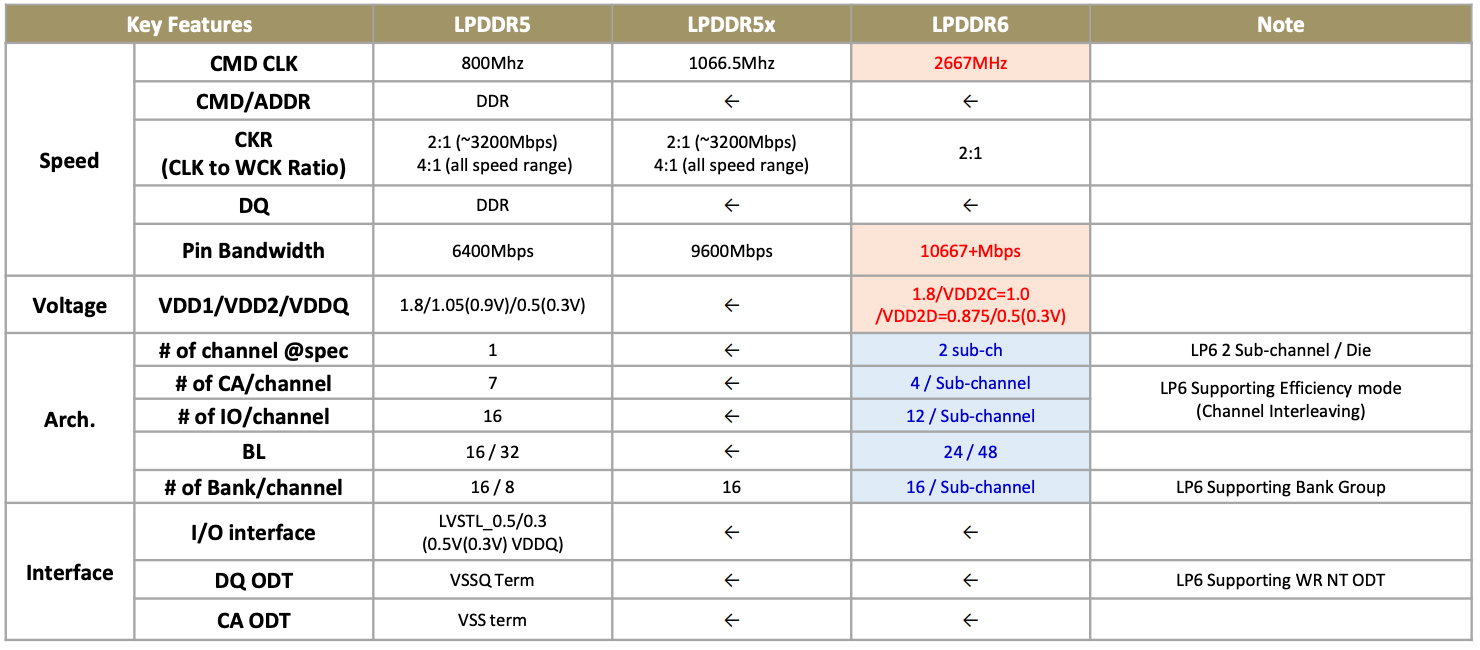
| LPDDR6 upside, if paired | Up to 14.4Gbps per pin, ~50% over LPDDR5X’s ~9.6Gbps cap, on a wider 24-bit channel vs LPDDR5’s 16-bit | N.A. |
| Max RAM | Up to 24GB, Qualcomm’s own published chip ceiling | Not disclosed by Apple; 12GB observed in iPhone 18 Pro Max |
| Storage standard | UFS 5.0 | NVMe-type, generation undisclosed |
| Storage throughput ceiling | Up to 10.8GB/s sequential read, ~9.5-9.8GB/s write (JEDEC UFS 5.0 spec) | Not disclosed by Apple |
Snapdragon’s 8EEG6 supports up to 24GB of RAM, which, given the worsening memory crisis, I strongly believe no smartphone manufacturer can match. If the chipset is paired with LPDDR6 memory, it can theoretically hit 14.4 Gbps per pin, around 50% faster than LPDDR5X’s roughly 9.6 Gbps limit. However, that decision rests with phone makers.
Given its tighter hardware-software optimization, Apple products typically require less RAM than others. The iPhone 18 Pro Max is a classic example. Thanks to the increased bus width (now 96-bit), theoretical bandwidth has gone up 50% from the A19 Pro to the A20 Pro. It now stands around 115.2 GB/s.
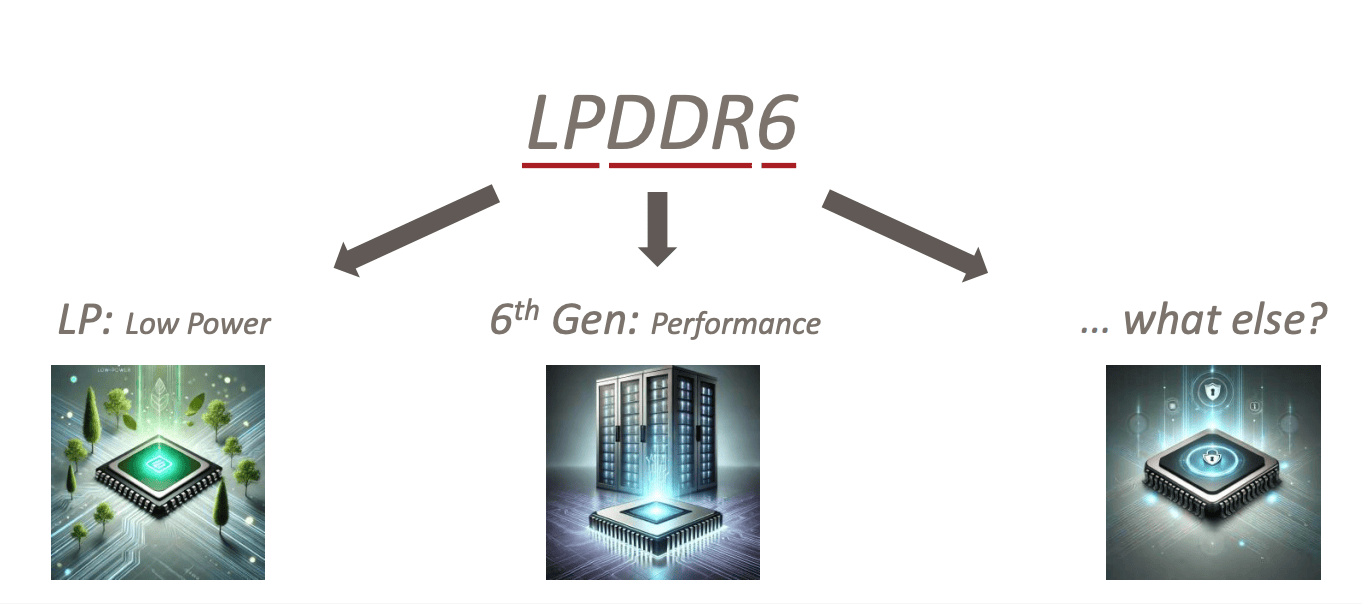
Again, a direct comparison isn’t possible here. The Snapdragon chip supports a higher memory performance threshold, but not every manufacturer will use it or put it to good use. A20 Pro’s specifications are fixed, at least for now, unless Apple puts the chipset to better use.
Also Read: 5 Nothing Phone (4b) Alternatives That Make More Sense Right Now
Storage follows the same asymmetry. Qualcomm’s latest chip supports up to UFS 5.0 storage chips, which, on paper, could provide nearly double the sequential read speeds of UFS 4.x. However, it again depends on the type of storage smartphone makers select for their flagships (and their margins).
Apple’s NVMe-based storage controller has no public equivalent.
Camera And ISP
| Snapdragon 8 Elite Extreme Gen 6 | Apple A20 Pro | |
| Branded ISP | Qualcomm Spectra, Triple 20-bit AI-ISP | Integrated, not separately branded by Apple |
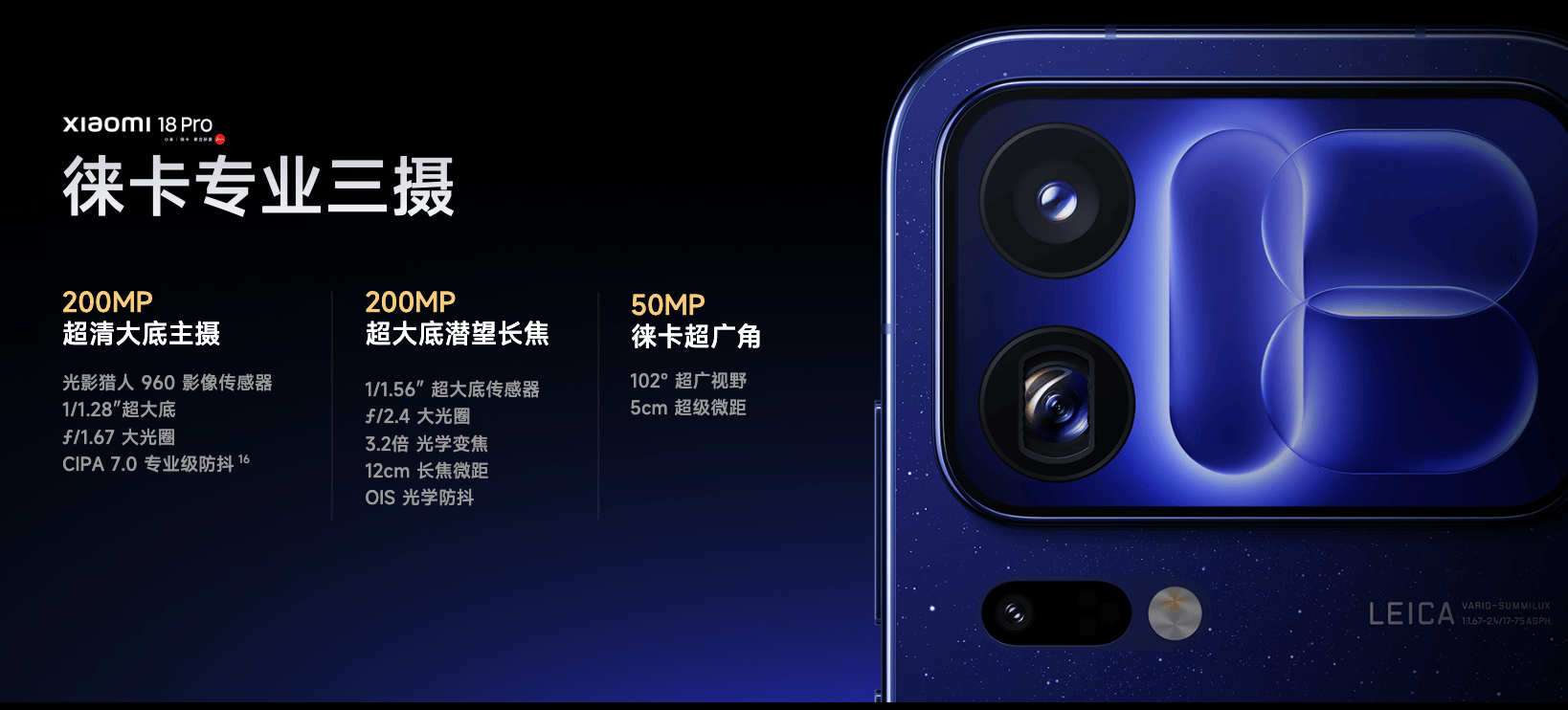
| Max sensor input (chip ceiling) | Up to 108MP single sensor with Zero Shutter Lag; up to 320MP photo capture | Powers three 48MP sensors (Main, Ultra Wide, 4x Telephoto) on the iPhone 18 Pro |
| Max concurrent multi-camera | Up to 64MP per sensor, triple concurrent | N.A. |
| AI data per pixel | 16-bit (Qualcomm says 256x more than prior gen) | N.A. |
| Marketed video ceiling | 8K at 60fps, 4K slow-motion at 240fps, native APV hardware | Powers 4K Dolby Vision @ 120 fps on the main camera, 1080p @ 240 fps |
This section also highlights the different approaches Qualcomm and Apple take with their respective chips. Qualcomm has developed the Snapdragon 8 Elite Extreme as a customizable platform that smartphone makers can tailor to their needs, while Apple maintains tight control over every aspect of the A20 Pro.
That level of control allows Apple to optimize the chip closely with its hardware and software, even if the resulting performance falls short of its theoretical ceiling. In theory, the Snapdragon has a more powerful ISP with more resources than Apple allows on the A20 Pro, and 8K video recording at 60 fps is a clear example of that.
Also Read: vivo X200T vs. OnePlus 15R: Which Is The Best Android Phone Under Rs. 55,000?
It’s not that the A20 Pro can’t do it, but Apple doesn’t think its buyers care, which is why it has kept that capability away from its latest iPhones. Even the 4K video recording is limited to 120 fps on the iPhone, while Snapdragon 8EEG6-powered phones should be able to record 4K videos at up to 240 fps.
I think the decision is rooted in the file size, thermals, and keeping a consistent experience across all three lenses. Because even on phones with the Qualcomm chip, only the main camera should be able to record in 8K resolution.

Connectivity
| Snapdragon 8 Elite Extreme Gen 6 | Apple A20 Pro + iPhone 18 Pro companion chips | |
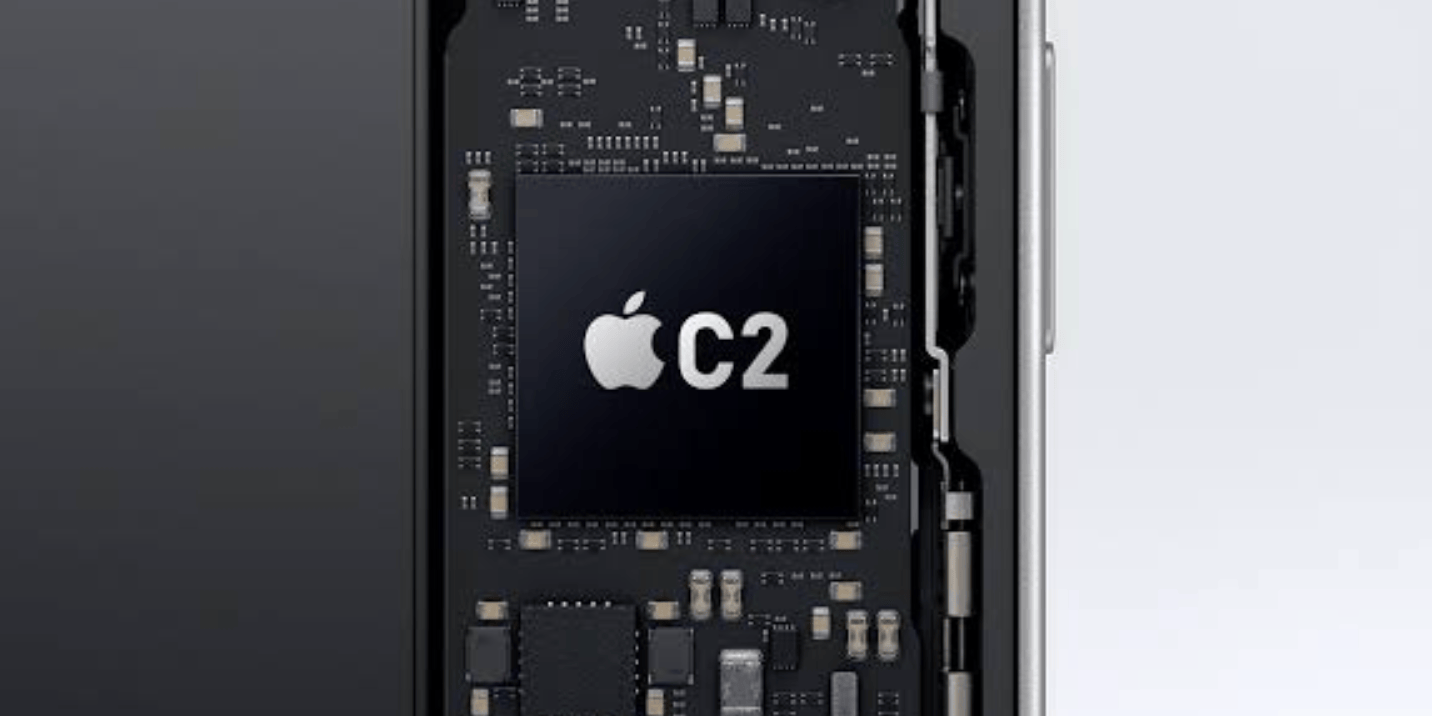
| Cellular modem | Qualcomm X105 5G Modem-RF, integrated into the platform | Apple C2, separate chip |
| Peak 5G downlink | Up to 14.8 Gbps theoretical | N.A.: not officially published |
| Peak 5G uplink | Up to 4.2 Gbps theoretical | N.A.: not officially published |
| 5G carrier aggregation | 6-carrier aggregation, up to 500 MHz downlink bandwidth; 4-layer uplink CA | N.A. |
| 5G modulation / antennas | 1024-QAM sub-6 GHz; 4×6 MIMO sub-6; 2×2 MIMO mmWave; 6Rx | Sub-6 GHz 5G with 4×4 MIMO |
| LTE | — | Gigabit LTE with 4×4 MIMO |
| Wi-Fi / Bluetooth system | Qualcomm FastConnect 8800, integrated | Apple N1, separate chip |
| Wi-Fi standard | Wi-Fi 8-ready, 4×4 configuration | Wi-Fi 7 (802.11be), 2×2 MIMO |
| Peak Wi-Fi speed | Up to 11.6 Gbps theoretical | N.A. |
| Bluetooth | Bluetooth 6.0, High Data Throughput, Channel Sounding | Bluetooth 6.0 |
| Satellite connectivity | NB-NTN messaging + NR-NTN voice/video/data through the modem | Emergency SOS via satellite; separate satellite connectivity arrangement, not specified as an NTN modem |
| UWB | — | 2nd-generation Apple UWB chip |
| Thread | — | Supported through N1 |
| Modem architecture | Integrated into Snapdragon platform | Separate C2 modem |
| Wireless connectivity architecture | Cellular + Wi-Fi/Bluetooth integrated across Snapdragon/FastConnect platform | A20 Pro paired with separate C2 + N1 + UWB chips |
Qualcomm bundles the modem and wireless connectivity into the Snapdragon 8 Elite Extreme platform, with headline figures such as 14.8Gbps downlink and 11.6Gbps Wi-Fi included in its specifications. Apple, by comparison, uses separate connectivity chips alongside the A20 Pro and does not publish equivalent peak throughput figures for its C2 modem or Wi-Fi 7 implementation.
The bigger difference is satellite connectivity. Qualcomm’s X105 modem supports NB-NTN and NR-NTN, enabling satellite messaging and voice or video calling as part of the platform. Apple handles satellite connectivity separately through C2, and it remains primarily focused on emergency services.
Also Read: Snapdragon 6 Gen 5 vs. Dimensity 7450: Which Mid-Range Chipset Is Better And Why?
Display, Security, And Audio
| Snapdragon 8 Elite Extreme Gen 6 (platform spec) | Apple A20 Pro / iPhone 18 Pro | |
| Max display support | QHD+ at up to 240Hz; 4K+ at up to 120Hz, per Qualcomm’s own chip spec | Not published by Apple as an A20 Pro ceiling |
| Panel as actually shipped | N/A | ProMotion OLED, adaptive up to 120Hz on iPhone 18 Pro |
| Max external display output | Up to 8K at 30Hz, up to 4K at 120Hz | Up to 4K HDR via USB-C DisplayPort |
| Biometric hardware | 3D Sonic Sensor / 3D Sonic Max ultrasonic fingerprint, companion silicon, OEM-optional | Face ID via TrueDepth camera, an Apple product choice |
| Audio DSP | Snapdragon Sound Suite: aptX Lossless, AI Voice Bubble, Spatial Audio Renderer with head tracking (platform spec) | Not disclosed as a standalone A20 Pro spec |
| Mic hardware | N.A. | Four studio-quality mics (iPhone 18 Pro hardware, not a chip spec) |
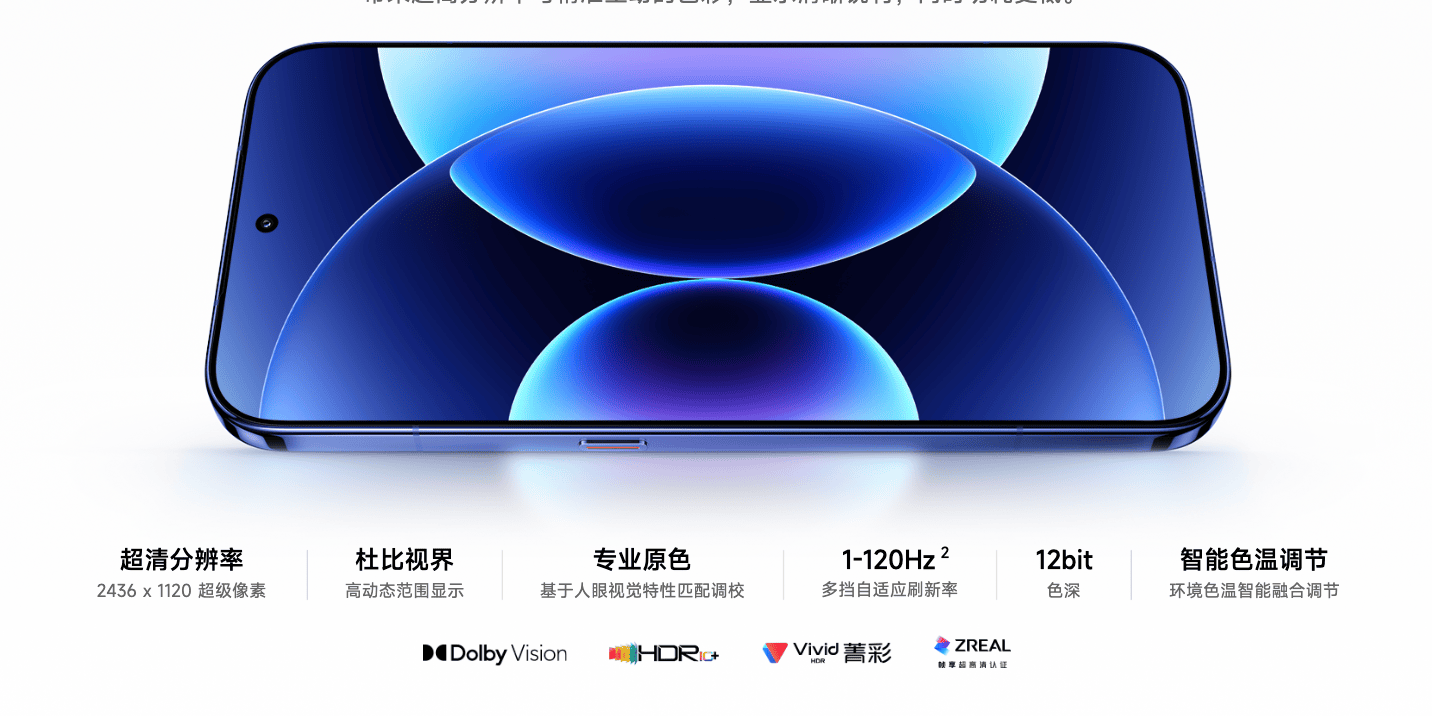
Qualcomm publishes platform-level capabilities such as support for QHD+ displays at up to 240Hz, while Apple does not disclose an equivalent display ceiling for the A20 Pro. In practice, the display specifications depend on the phone maker in Qualcomm’s case and on Apple’s own hardware in the iPhone.
Biometrics are similarly a product choice rather than a strict chip limitation. Qualcomm’s platform can be paired with its 3D Sonic Max fingerprint technology, while Apple continues to rely exclusively on Face ID. On audio, Qualcomm publishes platform-level DSP capabilities, whereas Apple does not provide equivalent A20 Pro specifications; the iPhone’s microphone setup is therefore a device-level feature.
The Bottom Line
If you’ve been with me until the end, you’d understand one thing: asking who wins here is the wrong question.
The Snapdragon 8 Elite Extreme Gen 6 is a full platform, customizable to a manufacturer’s requirements. The A20 Pro, by contrast, is a locked configuration of the full-scale platform that Apple doesn’t reveal to the general public.
Comparing the two fairly means weighing what’s actually comparable, CPU against CPU, GPU against GPU, NPU against NPU, and treating everything else as platform-level or device-level context rather than a head-to-head chip spec.
Also Read: OnePlus Nord 6 vs. Nothing Phone (4a): Will You Choose Performance Or Personality?
With that lens, the Snapdragon 8 Elite Extreme Gen 6 is Qualcomm swinging for the fences on nearly every number it controls. The A20 Pro is Apple doing what it has always done: squeezing more real-world CPU and GPU performance from fewer cores through tighter integration.

You can follow Smartprix on Twitter, Facebook, Instagram, and Google News. Visit smartprix.com for the latest tech and auto news, reviews, and guides.