


Quick Verdict
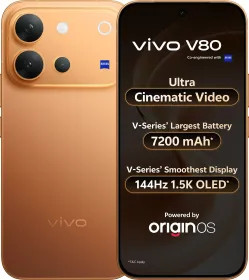
The vivo V80 is an easy phone to recommend if cameras and a bright screen are what you want. The ZEISS main camera and 3X are the reason to pick it up, the wide selfie camera is really useful, and the 7,200 mAh battery gets you through a normal day with a full charge in about an hour.
Buy it if:
- You want a ZEISS main camera and a 3X telephoto
- You care about outdoor brightness, speakers, and a wide selfie camera
- You like having a large battery with 90W charging
- Four years of OS updates and six years of security patches work for you
- You like having eSIM and NFC support
- You are willing to tune the colour palette after setting up the phone
Skip it if:
- You want a camera app that opens quickly
- You shoot a lot of video and care about consistent stabilization and exposure
- You want 90 or 120 fps in BGMI
- You need flagship-level performance
The V-series is vivo’s camera line under the X-series. The V80 keeps that job and adds OriginOS 7, a bigger battery, and a 144 Hz panel. It is one of the first phones, and the first V-series phone in India, with OriginOS 7 out of the box.
I used the V80 for about two weeks to see how all of this holds up in everyday use. There are some interesting changes here, along with a few decisions that become apparent once you start using the phone. Let’s find out in this review.
HOW I TESTED
| Reviewed By: Mehtab Ansari, expert in smartphones, cameras, and consumer tech (5 years experience, 150+ reviews) Test Unit: vivo provided the review unit of the vivo V80. The company had no input in this review. Duration and Environment: I used the 8 GB + 256 GB unit for about two weeks in India on the Jio network. That covered indoor use, outdoor brightness, commuting, camera use, gaming, and daily carry. Tests: Calls, social media, streaming, navigation, camera use in daylight and low light, video recording, BGMI, and mixed daily tasks. Battery drain was tracked across normal and heavier use. Competitors: OPPO Reno16 and Xiaomi 17T |
vivo V80 Price & Availability
The vivo V80 is available in these configurations:
- 8 GB + 128 GB: ₹62,999
- 8 GB + 256 GB: ₹69,999
- 8 GB + 512 GB: ₹79,999
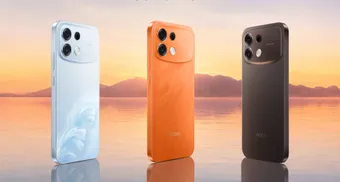
Colours are Horizon Blue, Sunrise Anthem, and Stellar Black. It is sold through vivo’s official channels, Amazon, Flipkart, and offline stores.
Pros
- New plateau camera design with an aluminium frame and AG matte glass
- Bright 1.5K AMOLED display
- Colour palette lets you tune the camera output
- 50 MP Sony LYTIA 700V main camera with OIS
- 50 MP 3X telephoto with OIS
- Wide 20 mm selfie camera with autofocus
- Stereo speakers are clear
- Good haptics
- ZEISS portraits
- 4 years of OS updates and 6 years of security patches
- IP68 + IP69 rating
- eSIM and NFC support
- AI Creation has 30+ filters and works with rear and selfie photos
Cons
- Display is oversharpened
- Camera app takes 3–4 seconds to open
- Image processing takes too long
- Phone warms up during longer camera sessions
- Video exposure and flare control can be weak
- BGMI is capped at 60 fps
vivo V80 Specifications
| Phone | vivo V80 |
| Display | 6.59-inch 1.5K AMOLED (2750 x 1260, 459 ppi), 120Hz (144Hz supported), 1,800 nits high brightness mode, 5,000 nits peak, 4320Hz PWM dimming, ~1.25mm side bezels |
| Processor | Qualcomm Snapdragon 7 Gen 4 (4nm), Adreno 722 |
| RAM & Storage | 8GB LPDDR4X RAM with 128GB, 256GB, or 512GB UFS 3.1 storage |
| Main Camera | 50MP Sony LYTIA 700V (1/1.56-inch, f/1.8, 23mm, OIS, PDAF), 4K at 60fps |
| Telephoto Camera | 50MP Sony IMX882 (1/1.95-inch, f/2.7, 73mm, 3x optical zoom, OIS, PDAF, 65cm minimum focus), 4K at 60fps |
| Ultrawide Camera | 8MP (f/2.2, 15mm, 110° field of view), 1080p at 30fps |
| Front Camera | 50MP (f/2.0, 20mm, autofocus, 92° field of view), 4K at 60fps |
| Battery & Charging | 7,200 mAh, 90W wired charging |
| Connectivity | 5G, Bluetooth 5.4, USB-C (2.0), dual nano-SIM, eSIM, NFC, IR blaster |
| Audio | Stereo speakers |
| Biometrics | Ultrasonic in-display fingerprint reader, face unlock |
| Build Materials | Aluminum frame, matte glass back, IP68 / IP69 dust and water resistance |
| Software | OriginOS 7 (based on Android 17), 4 years of OS updates, 6 years of security patches |
| Dimensions & Weight | 157.5 x 74.3 x 7.7 mm, 203g |
| Colors | Horizon Blue, Sunrise Anthem, Stellar Black |
vivo V80 Review: Unboxing

Inside the box you get the vivo V80, a 90W charger, a USB-A to USB-C cable, a SIM ejector tool, a case, and the usual paperwork. The phone also comes with a pre-applied screen protector.
vivo V80 Review: Design and Build
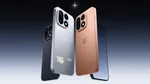
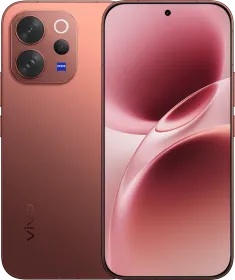
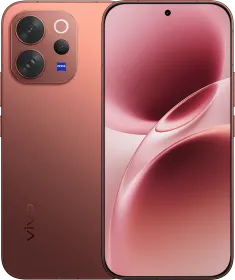
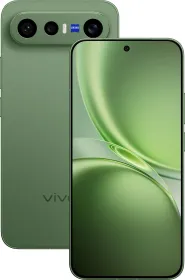
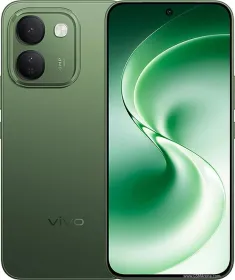
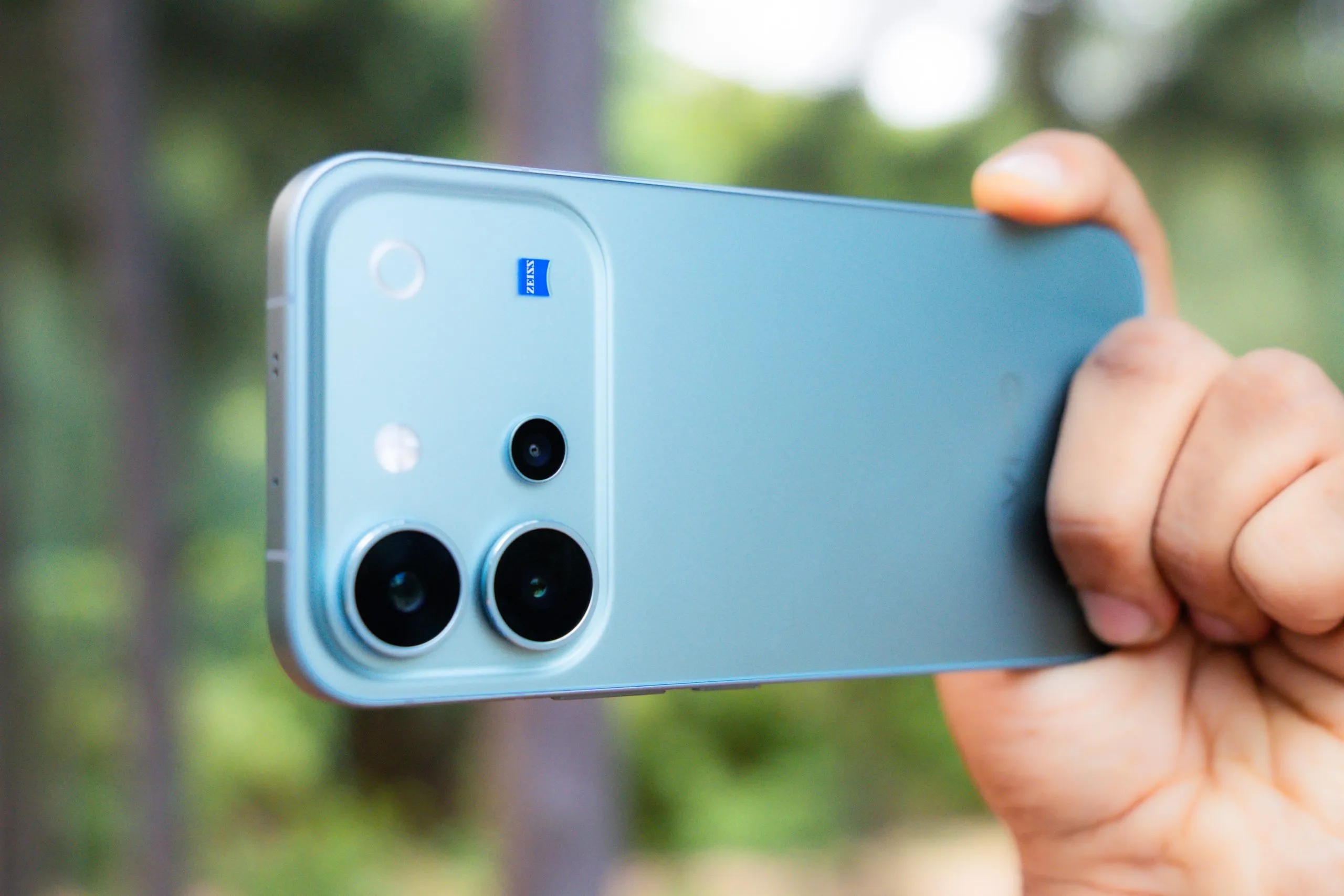
The design has actually changed. There is a plateau running across the back, a full band rather than a small camera island in the corner. The cameras sit inside that band, and the whole back has a cleaner look because of it.

I have the Horizon Blue unit, and the lighter colour works well with the new design. Sunrise Anthem and Stellar Black are the other options.

The frame is aluminium and the back uses AG matte glass. Fingerprints stay under control, and there is enough grip to make the phone comfortable to hold. At 203 grams, the V80 is fairly light for a phone carrying a 7,200 mAh battery.

It measures 157.5 x 74.3 x 7.7 mm, so it is slim for the battery size. The weight distribution is good too. One-handed scrolling is easy, while typing on the move is more comfortable with both hands. The phone being 6.59-inch tall also helps.


The build itself is solid. The buttons have a proper click, the frame stays rigid under pressure, and IP68 + IP69 is included. The USB port is still USB 2.0, which means large files take longer to transfer. Thankfully, the IR blaster is still here.
The vivo V80 also comes with NFC and eSIM support.
vivo V80 Review: Display
The screen is a 6.59-inch 1.5K AMOLED with a 2750 x 1260 resolution, 1.07 billion colours, and DCI-P3. Text is sharp, including small text in chats and settings. The side bezels measure around 1.25 mm. It can drop to 1 nit, which can be useful in a dark room, and PWM dimming is rated at 4320 Hz.

Outdoor visibility is good. vivo claims 5000 nits local peak brightness and 1800 nits HBM. I did not measure those figures, although the screen stays readable under strong afternoon sunlight.

The panel supports up to 144 Hz, although normal apps run at 120 Hz. Instagram, YouTube, the home screen, and most of the system stay at 120 Hz. Scrolling is smooth at 120 Hz.
The color and sharpness tuning on the V80 needs some work. Edges on text, faces, and video look harder than they need to. In other words, content on this display looks extremely over sharpened.

The default colour tone is also flatter than you’d expect. Content may often appear darker than it really is. You may switch to the Bright or Professional color profile to mitigate some of this but it’s not a proper fix. vivo should, hopefully, roll out a software update to fix this issue.
vivo V80 Review: Speakers and Haptics
The stereo speakers are good, and vivo has made a small improvement over the previous generation. Voices remain clear at higher volumes, and the separation between the two speakers is easy to hear.

Bass is still limited by the size of the phone, although music and video sound full enough for casual use. A YouTube video is loud enough for a room when the phone is sitting on a desk.

Haptics are integrated well across the system. Keyboard presses and most navigation have a proper response, and the motor is strong and precise enough to avoid that cheap buzzing sensation.
vivo V80 Review: Software
The V80 is one of the first phones with OriginOS 7 and the first V-series phone in India to ship with it. It runs on Android 17.
Compared with OriginOS 6, the interface is more optimized and the customization is more extensive. The usual vivo tools are still here, and the system is easy enough to navigate once you get into your apps.

The lock screen is more customizable than before. You can resize and reposition the clock across the top half, then add widgets and stickers, including stickers cut directly from your own photos.
The Control Center is more customizable too, with resizable tiles, separate new Wi-Fi and mobile data controls, and the option to freely place tiles anywhere. Plus, the new home screen icons now follow the system’s light or dark mode.
The battery page is more useful this time. It shows screen-on and screen-off time, app-level battery drain, and charging history, making it much easier to figure out where the battery went during the day.
Origin Workbench is here as well, letting you keep a few apps together in one workspace when jumping between things like chat, notes, and the browser. The usual vivo DocMaster and Office Kit are also available.
vivo promises 4 years of OS updates and 6 years of security patches.
vivo V80 Review: Biometrics
The fingerprint reader is ultrasonic and sits a little higher than optical scanners. The placement works well for the thumb. When it recognizes the finger, the reader is quick. However, it can sometimes reject a finger even when the placement looks correct.

Face unlock uses the front camera. It works well in a lit room and can also work in low light using the on-screen flash.
vivo V80 Review: Performance
The Snapdragon 7 Gen 4 is paired with 8 GB of LPDDR4X RAM and UFS 3.1 storage. For calls, chat, maps, streaming, and social media, performance is fine. Apps stay open, and normal scrolling is smooth most of the time.

The limitations appear during heavier work. Camera processing takes too long, lens switching can stutter, and the phone warms up during longer camera sessions.

The V70 had the same Snapdragon 7 Gen 4, and the V80 does not gain a faster processor to compensate for the memory and storage changes. The move to LPDDR4X and UFS 3.1 is especially noticeable when the camera is processing multiple photos.
| Benchmark | vivo V80 (Snapdragon 7 Gen 4) |
| AnTuTu Score (v11) | 1233670 |
| Storage (Score, Sequential Read Speed, Write Speed) | Score: 86270; Sequential Read: 1594 MB/s; Sequential Write: 1704 MB/s |
| Geekbench 7 CPU (Single-Core, Multi-Core) | Single-Core: 1017; Multi-Core: 3459 |
| Geekbench 7 GPU (OpenCL, Vulkan) | OpenCL: 1609; Vulkan: 1607 |
| 3DMark Wildlife Extreme (Score, Avg FPS) | Score: 1669; Avg FPS: 10.00 |
| 3DMark Wildlife Extreme Stress Test (Best Loop, Lowest Loop, Stability) | Best Loop: 1822; Lowest Loop: 1274; Stability: 69.9% |


As for gaming, I played BGMI and the game runs at 60 fps. That is the highest option available across the settings I tested. The game is playable at that frame rate, although consistency could be better. You can see occasional dips during heavier sections.

The Snapdragon 7 Gen 4 has enough capability for more aggressive frame-rate options. 90 or 120 fps would make better use of the 144 Hz panel if vivo enables them. Hopefully, a future update adds that.
vivo V80 Review: Cameras
The vivo V80 comes with a triple camera setup, including a 50MP main, a 50MP 3X telephoto, and an 8MP ultra-wide camera. There’s also a 50MP front camera with autofocus. All cameras feature the ZEISS collaboration.

Main Camera
The 50 MP Sony LYTIA 700V is the main highlight here. In daylight, there is plenty of detail and the color is fairly balanced. Skin tones are more neutral than the previous generation, especially when you use the standard tuning.
Highlight control is one area where the V80 can struggle. Bright floors, windows, and strong light sources can blow out before the camera recovers. The processing also takes longer after the shutter.


Zooming into daylight photos reveals another issue. Fine textures can look artificially sharpened, and the AI processing can make details look less natural than they should.
The colour palette helps with the overall look. Rather than simply applying a preset, you can adjust the warmth, coolness, color intensity, and overall tone before taking a photo. Custom adjustments can also be saved as your own style. I would set it before judging the camera output.


Low-light photos from the main camera are usable, although strong light sources can still blow out. A lamp or bright patch on the floor can lose detail, while darker areas pick up some grain. Night mode activates automatically and helps with streets and indoor scenes.


3X Telephoto
The 50 MP 3X telephoto is the camera I would use most after the main sensor. It has a 65 cm minimum focus distance, so close subjects need some space. Give it enough distance and decent light, and the lens produces a noticeably longer perspective than the main camera.
Highlight control is better here. Bright clothing, windows, pale walls, and other high-exposure areas retain more information than a crop from the main camera.


The V80 also does a better job with the 3X than the previous generation in these situations. The difference is easy to see in bright scenes. Colour stays reasonably close to the main camera once the palette is set.
If the subject is too close or the light drops, the phone can switch to the main camera and crop. At 6X and 10X, results become less pleasing but still pretty good for social media.


Portraits
Portraits are one of the V80’s strongest areas, and they’re among the best you can get at this price. Skin tones can look slightly smoothed with the default beauty settings, but turning beauty mode off gives you a more natural result.
There’s also plenty of control over how you shoot. The portrait mode covers 23mm, 35mm, 50mm, 85mm, and 100mm focal lengths, so you can switch between wider portraits and tighter shots without sticking to one look.


vivo also includes several ZEISS lens kits and bokeh styles, including Biotar, Sonnar, B-Speed, Planar, Distagon, and Cinematic. You can pick the bokeh style separately, which makes it easy to change the character of the background without changing the focal length.
The flash options get their own set of styles too, including CCD, Pack Film, Holiday, Amber, Butterfly, and more. There are a lot of options here, and it can get a little overwhelming, but that variety is useful if portraits are a big part of how you shoot.
If portrait photography is a priority, the vivo V80 is an excellent choice for the price.
Ultra-wide
The ultrawide is the weakest part of the camera setup. It uses an 8MP sensor, and the drop in detail is quite noticeable compared to the main camera. Fine textures can look smeared, especially when you start cropping into the image, and there’s a general softness across the frame.


It’s usable when you really need a wider perspective, but it’s not a camera you’ll want to rely on regularly. At least it’s there, but this is clearly the compromise in the V80’s camera setup.
Selfies
The 50MP selfie camera is another highlight of the V80. It uses a very wide 20mm focal length, which makes it easy to fit five or six people into the frame without cutting anyone out. That makes it particularly useful for group selfies, while you can switch to 1x or even 2x when you want a tighter shot.


Autofocus also helps keep faces sharp, and it comes in handy for product showcase videos, where the phone can keep the subject in focus instead of letting it blur out. Video recording goes up to 4K at 60fps, which is another nice advantage for creators.


Low-light selfies tend to have slightly warmer skin tones, which I actually prefer. Highlights can occasionally get blown out, and edge details can fall apart in some shots, but those issues are fairly rare. Processing can also take a moment after taking a photo, much like the rear cameras.


Video

Video is a little less impressive than the still photography, but there’s still plenty to like here. The rear cameras can record 4K at 60fps with stabilization, along with a 4K 30fps Cinematic Video mode.
Exposure can take a moment to settle in challenging lighting, and strong light sources can sometimes cause flare or push highlights a little too far.
The V80 can also show some processing strain during 4K60 recording. The preview is smooth before recording, but it can occasionally hitch once the phone has to process everything in real time.

Low-light video is usable, although grain becomes more visible and bright areas can flare.
The 50MP front camera also supports 4K60 video, which is particularly useful for creators. Exposure can take a moment to adjust when moving between different lighting conditions, but the added resolution and frame rate give you plenty of flexibility.
AI Creation
AI Creation now sits in the side menu and includes more than 30 AI filters. Sunlight was the one I kept coming back to, as it looks quite good. The edited image also gets an AI watermark at the top.


The results are good for social media, although the AI can sometimes alter parts of the original image. Faces, hands, or the edges of buildings can come back slightly different after processing. It works with both selfies and rear-camera photos, and you can generate another look even after the photo has already been taken.


The processing happens in the cloud, so the image takes a short while to come back. Your original photo remains intact, which means you can always go back to the untouched version.


AI Diwali Portrait 2.0
For the festive season, vivo has added AI Diwali Portrait 2.0, which is available until November 20. It adds Diwali-themed elements such as lights and flowers around the subject. There’s also a Diwali Frame (watermark) available too, for a limited period.

Live Sticker Collage
Live Sticker Collage is another creative feature that works with Live Photos. You can select a moving subject or object from a Live Photo, and the phone cuts it out automatically to create a reusable sticker.
Those cutouts can then be placed on different backgrounds or combined with multiple subjects to create a custom collage or cover.
vivo V80 Review: Battery Life and Charging

The V80 packs a 7,200 mAh battery, the largest vivo has used in a V-series phone. It uses a regular lithium-ion cell rather than silicon-carbon, but that doesn’t stop it from putting up strong endurance.
With heavier use across the camera, social media, navigation, and streaming, the phone can stretch to around a full day. During the review period, a typical day ended with roughly 8 hours of screen-on time. Lighter use can push that further.

Charging is rated at 90W, and vivo includes the charger in the box. A full charge took around an hour in testing. The phone does get warm while charging, but the temperature stays manageable.
Review Verdict: Should You Buy the vivo V80?

Smartprix ⭐ Rating: 8.0/10
The V80 gets a lot right: the design, bright AMOLED display, 7,200 mAh battery, 3X telephoto, and 20mm selfie camera are all strong points. The Sony LYTIA 700V main camera also produces good results.
At ₹63,000, it makes the most sense for someone who wants a premium-looking phone with a great display, strong battery life, and versatile cameras. OriginOS 7 also feels smoother, and the overall package is easy to recommend.
First reviewed in October 2026.