


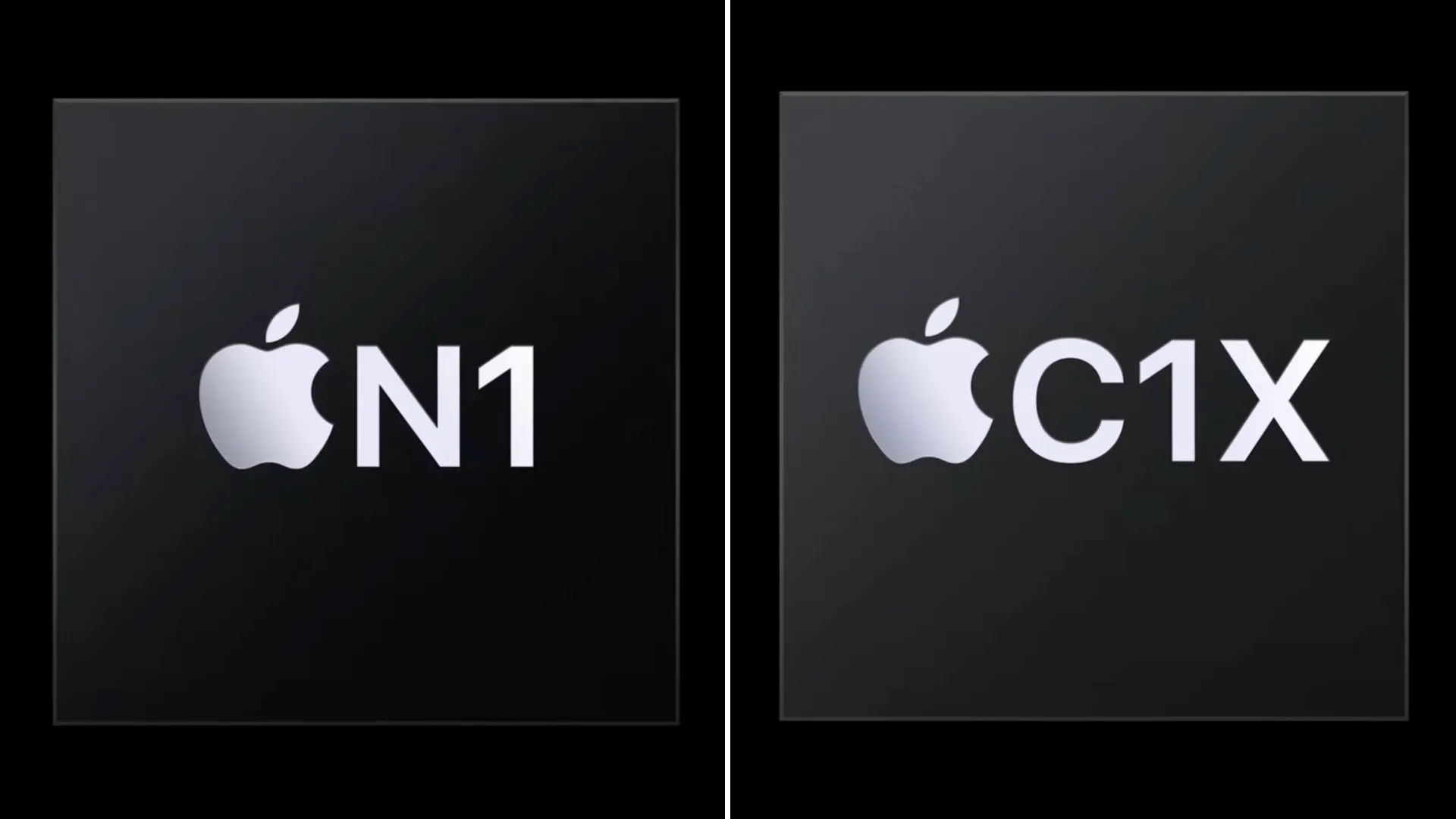
Amid the shine and glimmer of the new exterior colors, switch from titanium to an aluminum unibody on the Pro iPhones, and all the other hardware improvements, there’s one thing that deserves more attention than it got: the N1 networking chip and the C1X 5G modem. These are Apple’s in-house network chips, which claim to improve overall connectivity, reliability, and efficiency—factors vital to the end-user experience.
However, there’s another reason, besides ambition, that’s driving Apple to design its own networking chips, and that’s to reduce its reliance (and associated costs) on third-party companies for vital iPhone components, such as Wi-Fi and Bluetooth communication chips and cellular modems. We saw a glimpse of this with the C1 modem that Apple introduced with the iPhone 16e earlier this year.
Now that the technology has matured, the company is also integrating its in-house chips into its most premium smartphone offerings.
Also Read: No AI, No Problem? Why Apple Skipped Intelligence at the iPhone 17 Launch
All iPhone 17 Models (Including iPhone Air) Feature The New N1 Chip

All the iPhones unveiled during the “Awe Dropping” launch event feature the new N1 wireless networking chip. It enables access to Wi-Fi 7, Bluetooth v6.0 (works better in crowded areas, lowers latency), and the Thread smart home devices protocol. Previously, Apple relied on Broadcom chips for the Wi-Fi/Bluetooth connectivity, but the N1 chip replaces those, promising better efficiency and reliability due to vertical integration.
With the new networking chip, the iPhone 17 models are said to offer improved performance for AirDrop and Personal Hotspot, features that rely on Bluetooth for initial connection and then utilize Wi-Fi to transfer data with higher bandwidth. Other Continuity features, such as Handoff and extended display for Mac, should also see an improvement, as they rely on the same wireless communication technology.
We’re not talking about any drastic improvements here, but users should be able to see fewer connection drops of the Continuity features, faster switching between Bluetooth and Wi-Fi for an improved AirDrop experience, and less battery consumption when using Personal Hotspot. These might sound like minor additions, but they’ll be useful to every single iPhone user out there.
Also Read: Apple Adds DC Dimming Option in iPhone 17 Series
iPhone Air Features The New C1X 5G Modem


While all the new iPhones feature the N1 wireless networking chip, only the iPhone Air gets the new C1X 5G modem, the successor to the C1 modem Apple unveiled with the iPhone 16e. Although it doesn’t include support for mmWave 5G, the C1X subsystem provides speeds up to twice that of the C1 with the same cellular technology.
In fact, Apple also mentions how the C1X is faster than the modem in the iPhone 16 Pro (review), which is a Qualcomm Snapdragon chip. Interestingly, the company didn’t compare the C1X to the modems on the iPhone 17 and the iPhone 17 Pro models. Does this mean that the new iPhones have a new Qualcomm modem attached to their motherboards? We’ll find out soon enough.
Despite being faster, the new C1X modem consumes approximately 30% less energy, making it ideal for the iPhone Air, which features a smaller-than-usual battery due to the limited space in its ultra-thin 5.64 mm chassis. The chip also reduces thermal demand, which is vital to a modem’s functioning.
Currently, Apple is only using the C1X modem on the iPhone Air, which is likely due to the absence of mmWave 5G technology from the chip (as it’s vital for the mainstream iPhone 17 models to support it, which is why they’re still using a Qualcomm modem). However, with time, Apple could also integrate mmWave connectivity to the modem and equip it on the mainstream iPhone models.
Also Read: The iPhone 17 Pro’s 4X Telephoto Camera: Upgrade or Downgrade?
N1 & C1X Reduce Apple’s Reliance On Other Companies

Over the years, Apple has paid billions to Broadcom and Qualcomm for the supply of components, licensing, and RF add-ons. It was only in May 2024 that Apple announced a multi-billion-dollar deal with Broadcom for components made in the United States. However, using the in-house N1 network chip and C1X modem, Apple could save a significant amount (I’m talking about hundreds of millions of dollars to begin with).
So, while the networking chip and the 5G modem improve connectivity and reliability for end-users, they will also reduce Apple’s upfront costs, which would otherwise be spent on paying the margins of Broadcom and Qualcomm. After the A-series and M-series chips, Apple appears to be phasing out the other key chips for which it relies on different companies.
Also Read: Apple’s iPhone 17 Just Got Smarter Selfies: Meet the Center Stage Camera That Follows You
You can follow Smartprix on Twitter, Facebook, Instagram, and Google News. Visit smartprix.com for the latest tech and auto news, reviews, and guides.