

Vivo X500 Pro Max vs. Apple iPhone 18 Pro Max: Table of Contents
We’re nearing the end of Techtember, and plenty of new flagships are worth talking about. While Apple released its iPhone 18 Pro lineup early this month, Chinese smartphone makers have responded with their own flagships, starting with the Vivo X500 Pro series. In today’s comparison, we’ll pit the Vivo X500 Pro Max against the iPhone 18 Pro Max to find out how the best from the east compares to the best in the west
Also Read: Pixel 11 Pro XL vs. iPhone 17 Pro Max vs. Galaxy S26 Ultra: The Ultimate 2026 Flagship Comparison


Vivo X500 Pro Max vs. iPhone 18 Pro Max: Design
| Spec | vivo X500 Pro Max | iPhone 18 Pro Max |
| Dimensions | 163.3 x 76.8 x 8.1 mm | 163.4 x 78.0 x 8.8 mm |
| Weight | 225 g (AG glass back) / 229 g (glass-fiber back) | 249 g |
| Front glass | Armor Glass, Mohs level 4 | Ceramic Shield 2, Mohs level 5, anti-reflective coating |
| Frame | Aluminium alloy | Aluminium |
| Back | AG glass (White/Orange/Gray) or glass-fiber reinforced plastic (Black) | Ceramic Shield / aluminum |
| Water/dust rating | IP68/IP69 (high-pressure jets; submersible to 1.5 m/30 min) | IP68 (submersible to 6 m/30 min) |
| Biometrics | Under-display ultrasonic fingerprint | Face ID (components now partly under-display; smaller Dynamic Island) |
| Other sensors | Accelerometer, gyroscope, proximity, compass | Accelerometer, gyroscope, proximity, compass, barometer |
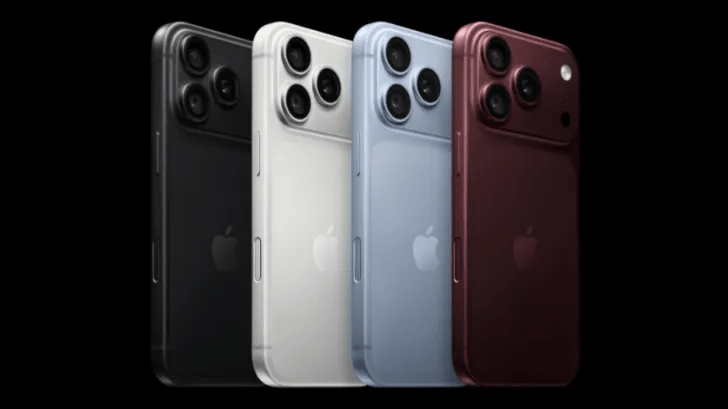
| Colors | Black, Gray, White, Orange | Black, Silver, Glacier, Burgundy |
I’ve said this before, and I’ll say it again: Apple isn’t part of the thinner-and-lighter flagship race anymore, at least not with its top-tier Pro Max. That’s why the iPhone 18 Pro Max is substantially thicker than the Pixel 11 Pro XL and now the Vivo X500 Pro Max.
Despite the increased battery capacity, Vivo has maintained a regular profile (8.1 mm) and weight (up to 229 grams) on its latest flagship, which is commendable. Moving on from the dimensions, both phones follow the same glass-metal-glass structure, with their own choice of protective glass on the front and back.

Another difference that’s worth highlighting is the IP rating. Despite carrying two IP ratings (IP68 / IP69), the X500 Pro Max can be submerged up to 1.5 meters for 30 minutes. The iPhone, on the other hand, manages submersion up to 6 meters for 30 minutes with a single IP68 rating.
If you’re a fan of the under-display fingerprint sensor, only the X500 Pro Max features it. The iPhone relies on Face ID inside a smaller Dynamic Island than the iPhone 17 series.

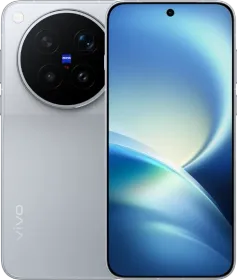
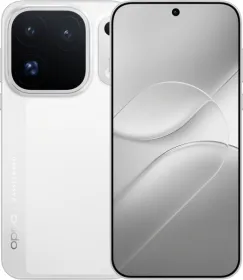
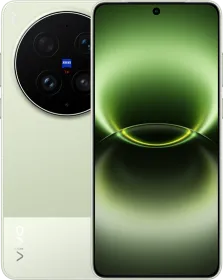
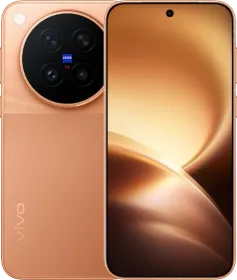
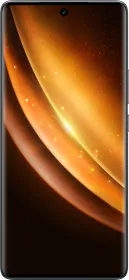
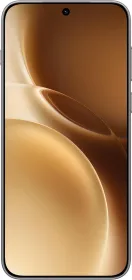
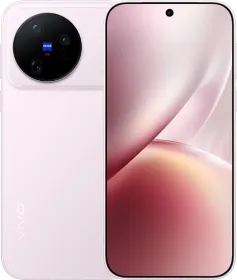
The overall design and the look of the two phones are drastically different. The X500 Pro Max sports a massive circular camera module on the back, housing all the camera sensors within. In contrast, the iPhone 18 Pro Max ships with a rectangular camera island that houses the sensors on the left and the LiDAR sensor on the right.
While the Vivo handset features an all-glass back panel, the iPhone uses aluminum for the camera housing at the top and glass for the remaining three-fourths of the back panel to enable wireless charging. Both phones have flat frames around the screen and thin bezels, but the Vivo’s appear slightly thinner.

The punch-hole vs. Dynamic Island argument applies here, too.
Also Read: Samsung Galaxy Z Fold 8 Ultra vs. Z Fold 7: The Definitive Foldable Flagship Comparison For India
Vivo X500 Pro Max vs. iPhone 18 Pro Max: Display
| Spec | vivo X500 Pro Max | iPhone 18 Pro Max |
| Panel | LTPO AMOLED (BOE Q11 material) | LTPO Super Retina XDR OLED |
| Size | 6.85″ | 6.9″ |
| Resolution | 1440 x 3168 px (~507 ppi) | 1320 x 2868 px (~460 ppi) |
| Refresh rate | Up to 144Hz adaptive | Up to 120Hz (ProMotion) |
| Brightness | 2,000 nits (HBM), 4,400 nits (peak) | 1,000 nits (typical), 1,600 nits (HBM), 3,000 nits (peak) |
| Protection | Armor Glass, Mohs 4 | Ceramic Shield 2, Mohs 5, anti-reflective |
| HDR | HDR10+, Dolby Vision, Ultra HDR | HDR10, Dolby Vision |
For its latest flagship, Vivo gets its display from BOE, a renowned Chinese manufacturer, while Apple relies on Samsung Display and LG Display. While the screen sizes are almost identical (the iPhone has a slightly larger screen), the X500 Pro Max has a substantially higher resolution, resulting in better pixel density and a display that may look sharper up close.

Yes, the iPhone 18 Pro Max supports a 120Hz refresh rate (ProMotion in Apple’s terms), but the X500 Pro Max supports 144Hz. The difference, however, depends on how well Vivo and developers have optimized their apps and how well they utilize the upper 144Hz ceiling. If it’s available in video games, then that could be a clear advantage over the iPhone 18 Pro Max.
Also Read: Moto Edge 70 Max vs. vivo X200T: Which Is The Better ₹60,000 Premium Mid-Range Android Phone?
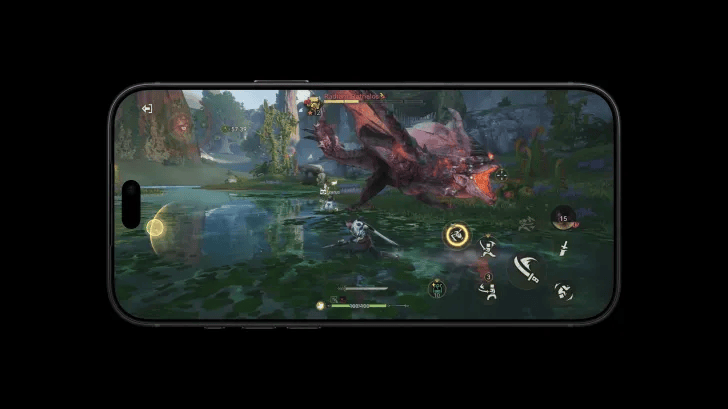
The screen on the X500 Pro Max also supports a higher HBM and peak brightness, which should help when consuming content or using the phone outdoors, especially in direct sunlight. Apple’s iPhone isn’t that bad either. Both phones also support Dolby Vision and HDR10 content, so watching shows or web series should be a great experience on both, especially when paired with the stereo speaker setup.
Vivo X500 Pro Max vs. iPhone 18 Pro Max: Performance
| Spec | vivo X500 Pro Max | iPhone 18 Pro Max |
| Chipset | MediaTek Dimensity 9600 Pro (2nm) | Apple A20 Pro (2nm) |
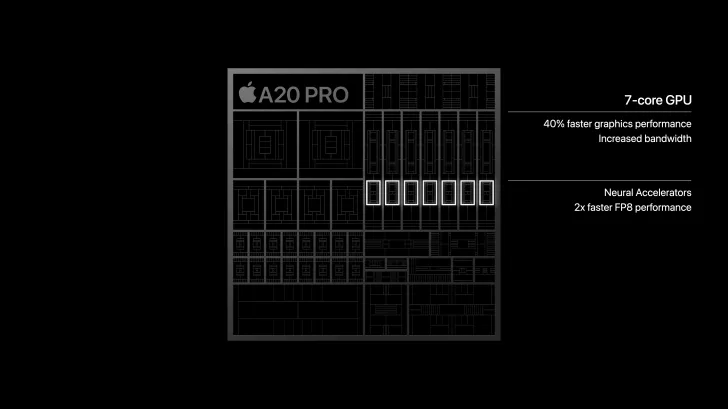
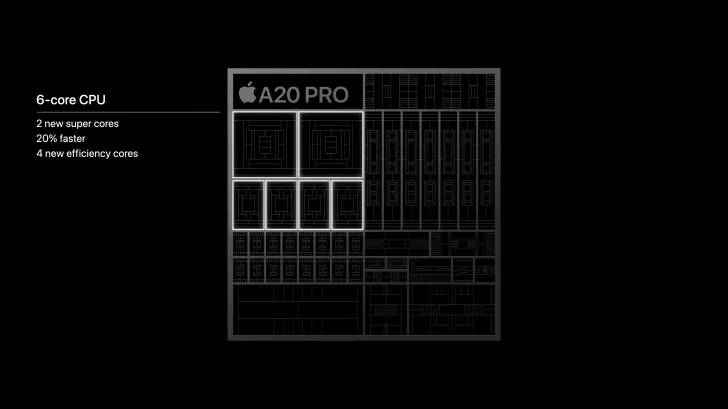
| CPU | Octa-core: 2×4.55GHz + 3×4.35GHz + 3×3.1GHz | Hexa-core: 2×4.93GHz + 4×2.64GHz |
| GPU | Mali-G2-Ultra-NX | Apple GPU, 7-core |
| RAM | 12GB / 16GB | 12GB (all tiers) |
| Storage | 256GB / 512GB / 1TB, UFS 4.1 | 256GB / 512GB / 1TB / 2TB, NVMe |
| Expandable storage | No | No |
This part of the comparison hides a rather interesting detail. You might have heard about the latest-generation 2nm fabrication technology and how chipmakers are transitioning to it with their latest silicon. Even though the X500 Pro Max and the iPhone 18 Pro Max use TSMC’s 2nm process node, a key difference remains.

Also Read: 5 Nothing Phone (4b) Alternatives That Make More Sense Right Now
N2P vs. N2 Technology
MediaTek’s Dimensity 9600 Pro chip is based on an enhanced version of TSMC’s N2 node called N2P. According to reports, the special version adds another 5% performance improvement alongside a proportional drop in power consumption compared to the baseline N2 node.
In my opinion, Apple may have leveraged its position as one of TSMC’s largest customers and purchased most of the manufacturer’s initial capacity based on the N2 process node. Second, it may have avoided the higher component costs that could have accompanied the more advanced N2P chips (which could have entered production later).
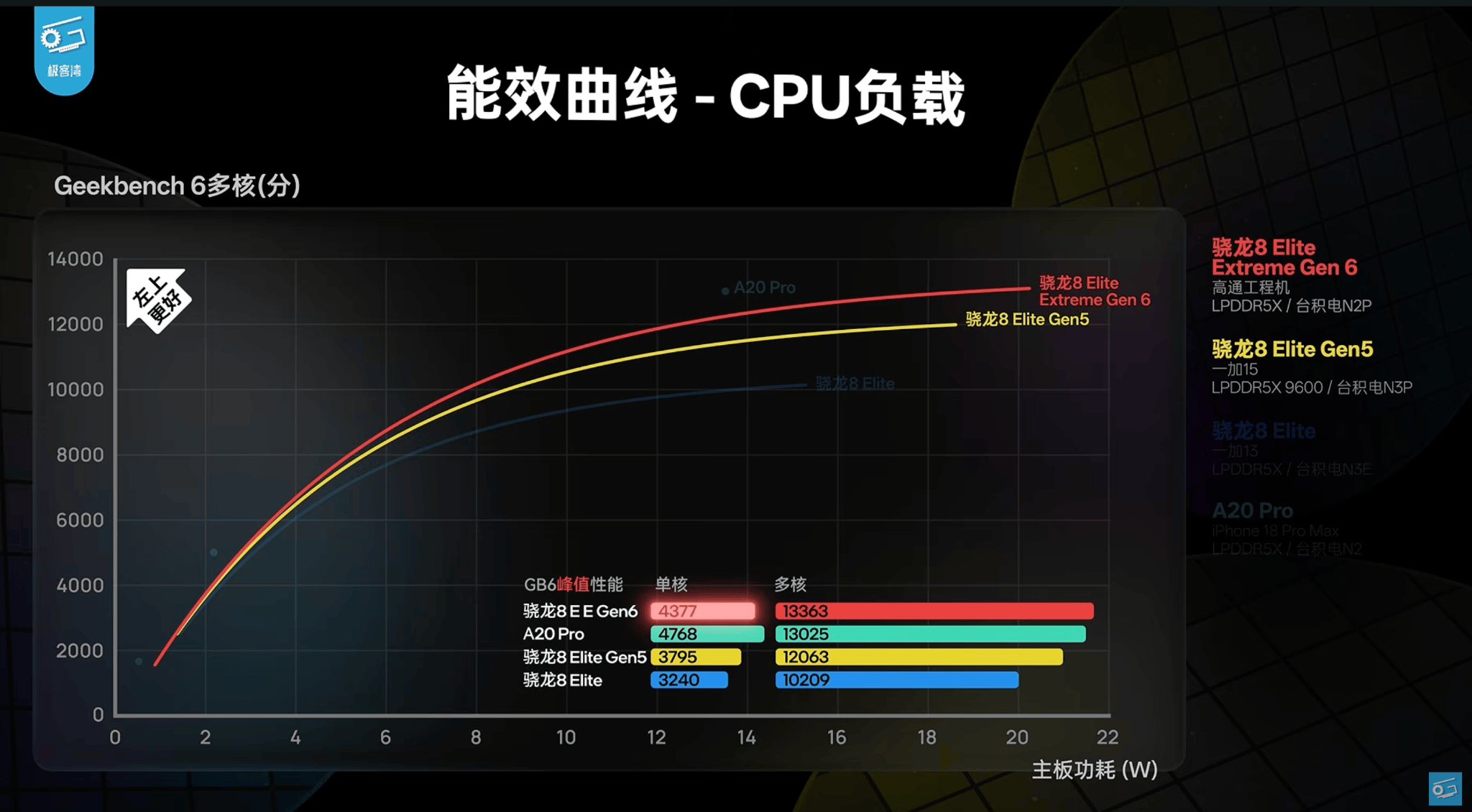
Geekbench 6 CPU Scores
Despite that difference, early benchmarks suggest the following about the Dimensity 9600 Pro and Apple A20 Pro’s single- and multi-core performance. Apple’s latest silicon scores around 4,765 and 13,020 points in the single- and multi-core Geekbench 6 CPU test, higher than the Dimensity’s 4,215 and 12,760 points. Clearly, the higher clock speed on the primary cores is at play here. However, we can’t comment on this until we’ve tested both handsets in person.
Both chipsets also feature advanced GPUs and NPUs that can push demanding video games to their maximum graphics settings and handle on-device AI tasks without offloading complex requests to the cloud. Again, we still don’t know how these additions will be implemented in practice.
Also Read: vivo X200T vs. OnePlus 15R: Which Is The Best Android Phone Under Rs. 55,000?
LPDDR5X Ultra vs. LPDDR5X With Higher Bandwidth
When it comes to RAM, the X500 Pro Max is available with up to 16GB (with most variants stuck on 12GB). The iPhone 18 Pro Max also ships with 12GB of RAM on all its models. However, the RAM type differs slightly: LPDDR5X Ultra on the Vivo and LPDDR5X on the Apple phone.
Apple specifically notes that the A20 Pro’s memory bandwidth is 50% higher than the A19 Pro’s (roughly 115.2 GB/s), which is slightly higher than the LPDDR5X Ultra (around 96 to 106 GB/s). For those catching up, higher memory bandwidth means the memory can feed the processor more information.
The ultra-fast data stream, at least in theory, should result in near-zero latency for on-device large language models and real-time photo processing.
UFS 4.1 vs. NVMe Storage
Both phones also rely on very different storage solutions: UFS 4.1 on Vivo, a mobile-specific flash storage standard, and NVMe on iPhone, a scaled-down version of PC-grade storage. The primary differentiator is software overhead. UFS 4.1 utilizes mobile commands optimized for quick, parallel reads, making the vivo X500 Pro Max incredibly fast at handling multiple frozen app states and caching split-screen layouts.
Meanwhile, NVMe strips away legacy mobile protocols entirely. By communicating over a simplified custom driver directly linked to the chip, it achieves up to 15% to 30% faster system-level write operations.
Also Read: Motorola Razr Fold vs. Samsung Galaxy Z Fold7: The Definitive Premium Book-Style Foldable Comparison

Vivo X500 Pro Max vs. iPhone 18 Pro Max: Software
| Spec | vivo X500 Pro Max | iPhone 18 Pro Max |
| OS out of the box | Android 17 with OriginOS 7 | iOS 27 |
| Update commitment | Up to 5 major OS updates | Not numerically published; Pro-line iPhones historically get ~6 years of updates |
| Standout features | Apple Watch notification/health sync, AirPods battery on Origin Island, Mac/iPad/Windows continuity, native iCloud access | Siri chains multi-app actions, dedicated in-camera Siri mode, Visual Intelligence upgrades |
OriginOS 7
Out of the box, the Vivo X500 Pro Max ships with OriginOS 7, which is based on Google’s Android 17, the latest Android operating system. The UI resembles that of Apple. It features a translucent design language, the Origin Smooth Engine for faster app opening and visual rendering, the Origin Workbench (Oppo’s version of Samsung DeX), and deep interoperability with Apple’s ecosystem.
A major cross-platform update allows vivo phones to pair directly with an Apple Watch to sync health metrics into Origin Health. It also showcases AirPods’ spatial audio/battery configurations natively on the “Origin Island” and enables native iCloud browsing inside the Vivo File Manager.
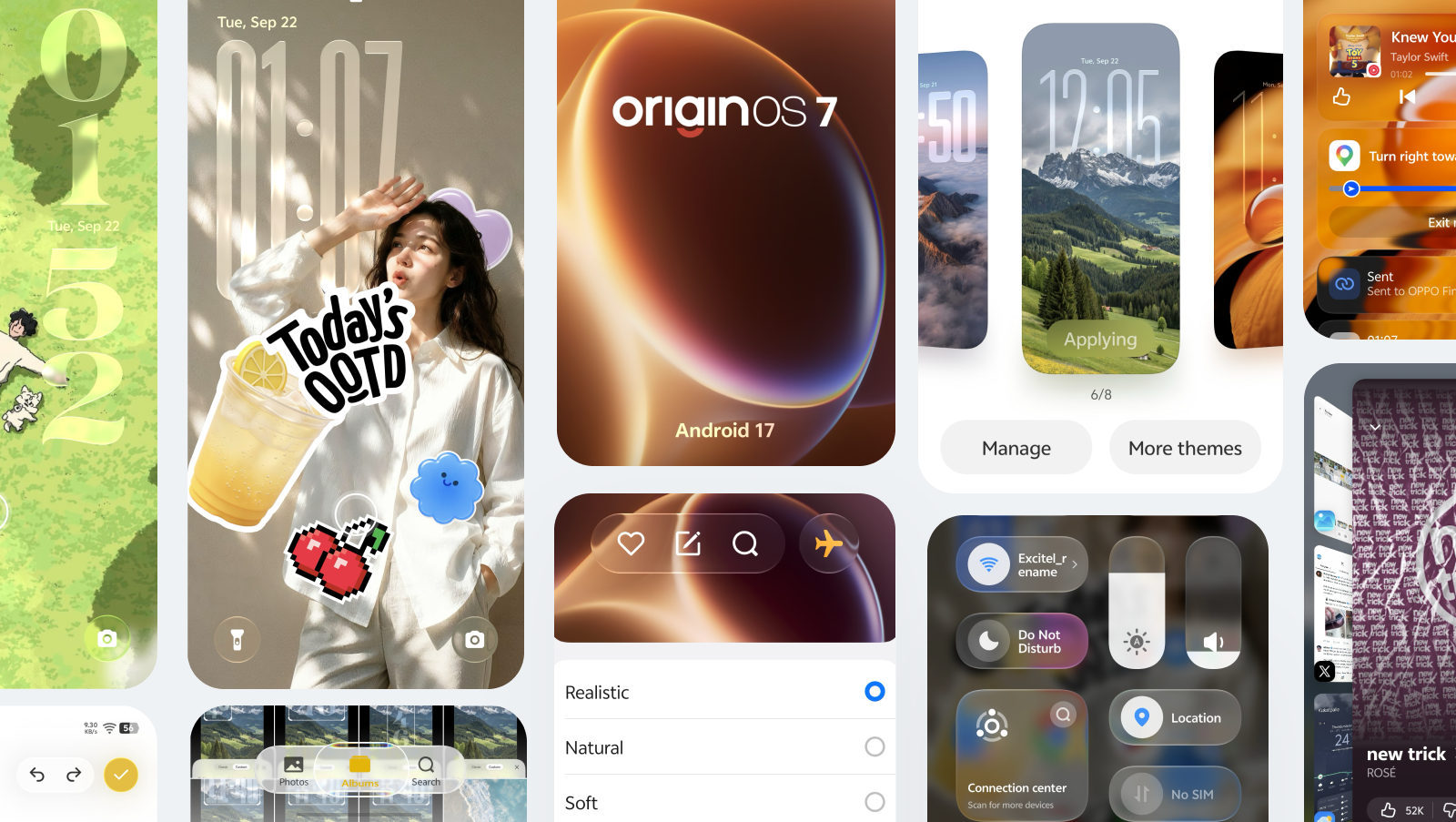
Key AI-based features include Jovi AI cross-device personal agent (not assistant) and AI screenshot analysis, AI Pampering Pet Themes, AI Recorder, and Gallery Quick Clean. The device also comes with Google’s Gemini AI assistant and Circle to Search.
iOS 27
Apple’s iOS 27 doesn’t add many new UI elements, but it improves the core ecosystem features. For instance, AirDrop transfers are up to 80% faster, while app launches and photo loading are up to 30% and 70% faster. All these improvements should make iOS 27 feel snappier and more responsive than before.
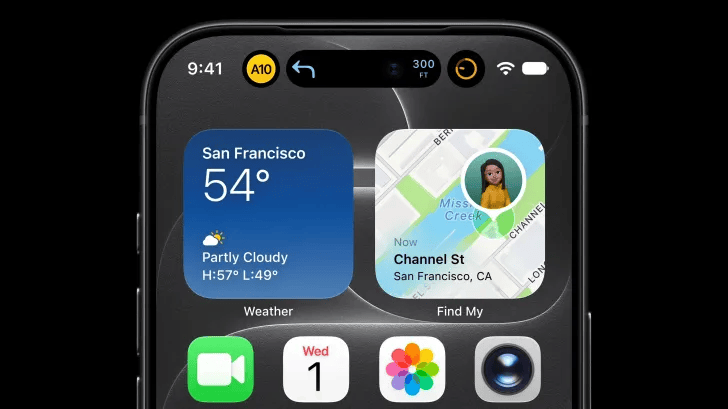
It also lets you customize the Liquid Glass design language and its intensity. Among the new AI-based features is Apple’s long-overdue Siri AI, which can now access information across apps and perform tasks on the user’s behalf. It also gets on-screen awareness and understands deep personal context.
The Camera app also has a dedicated Siri Mode. The iPhone operating system also includes new Apple Intelligence features, such as Spatial Reframing and Extend. Moreover, iOS 27 is the most refined version of iOS and the most advanced in AI-based features and workflows.
Also Read: vivo X300 FE vs iPhone 17 & Samsung S26: The Compact Flagship Battle Set to Get a New Leader

Vivo X500 Pro Max vs. iPhone 18 Pro Max: Cameras
| Spec | vivo X500 Pro Max | iPhone 18 Pro Max |
| Main | 50MP, f/1.6, 24mm, 1/1.28″ sensor, 1.22µm, PDAF, OIS | 48MP, variable f/1.5–4.0 (6-blade mechanical aperture), 24mm, 1/1.28″ sensor, 1.22µm, dual-pixel PDAF, gen-2 sensor-shift OIS |
| Telephoto | 200MP periscope, f/2.7, 85mm, 1/1.4″ sensor, OIS, 3.5x optical zoom, CIPA 7.0 stabilization, optional 400mm Zeiss teleconverter | 48MP periscope, f/2.8, 100mm, 1/2.55″ sensor, 3D sensor-shift OIS, 4x optical zoom |
| Ultrawide | 50MP, f/2.0, 15mm, 119° FOV, 1/2.75″ sensor, AF | 48MP, f/2.2, 13mm, 120° FOV, 1/2.55″ sensor, PDAF |
| Extras | Zeiss optics + T* coating, laser AF, color-spectrum sensor | TOF 3D LiDAR scanner, dual-LED dual-tone flash |
| Video | 8K@30fps; 4K up to 240fps; 17EV TrueDynamic Log; Dolby Vision HDR; 4K@120fps 10-bit Log; 10-bit 4:2:2 APV | 4K up to 120fps; 1080p up to 240fps; Dolby Vision HDR (to 120fps); ProRes/ProRes RAW; Apple Log 2; 3D spatial video |
The most interesting aspect of this comparison is that the flagships win, but in their own unique way. Let me explain.
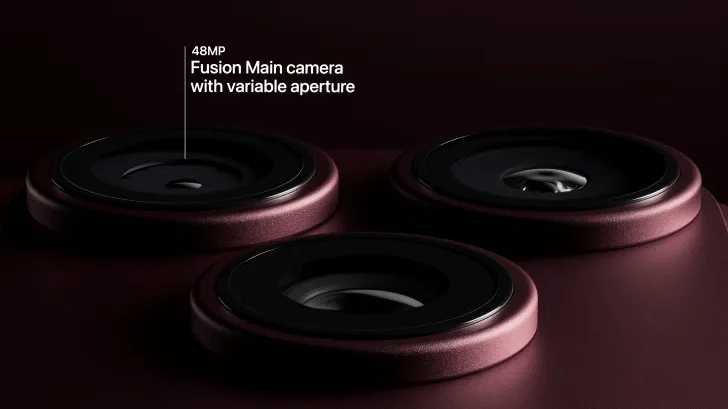
First, the X500 Pro Max has a substantially larger primary sensor. It should let in more light, resulting in more detail and less noise in low-light scenarios. So, if you’re looking at the simplest point-and-shoot capability, the X500 Pro Max could be better. However, the iPhone 18 Pro features a variable aperture (you can control it manually through the phone’s settings). It opens all the way to f/1.48, which is slightly wider than the X500’s f/1.6.
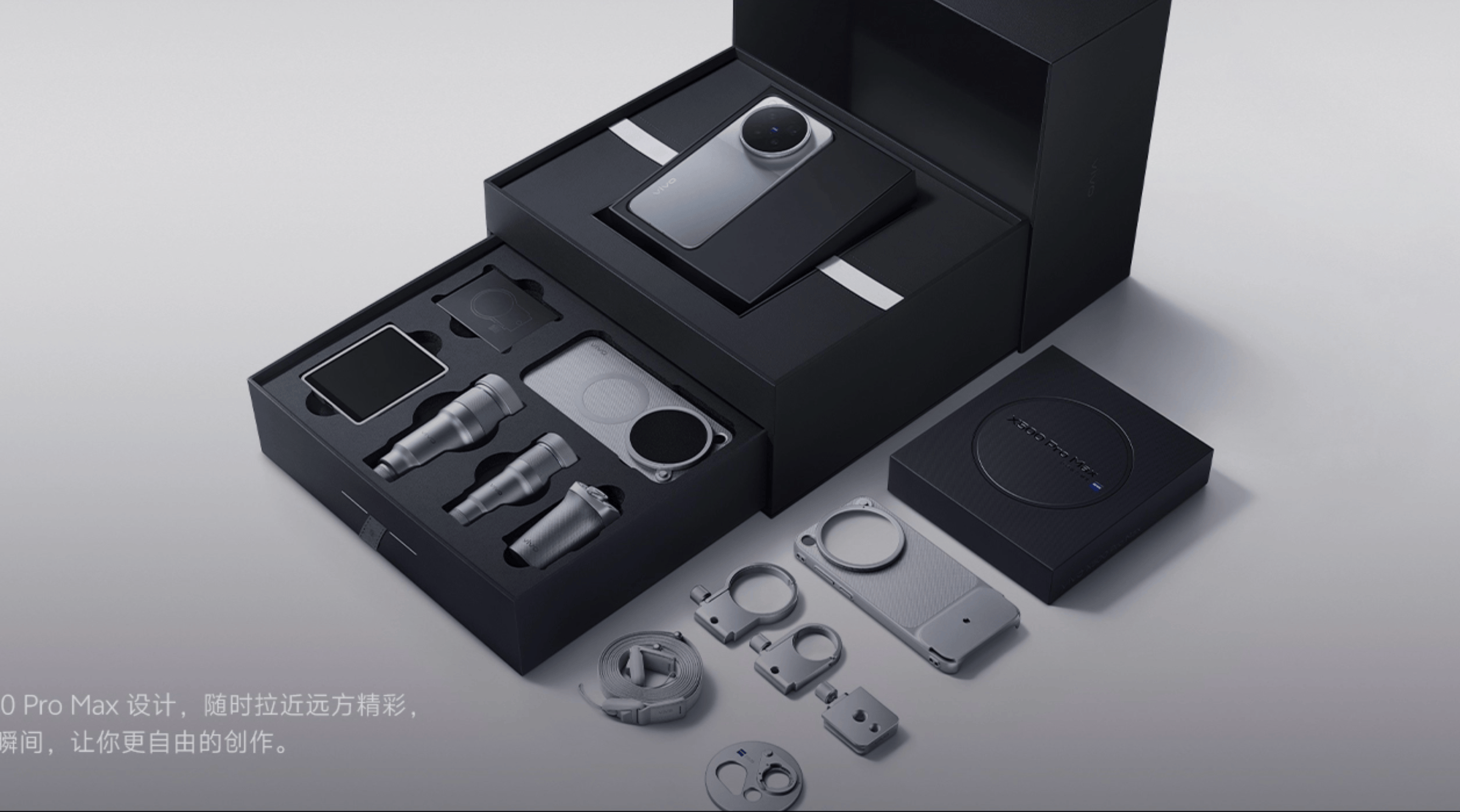
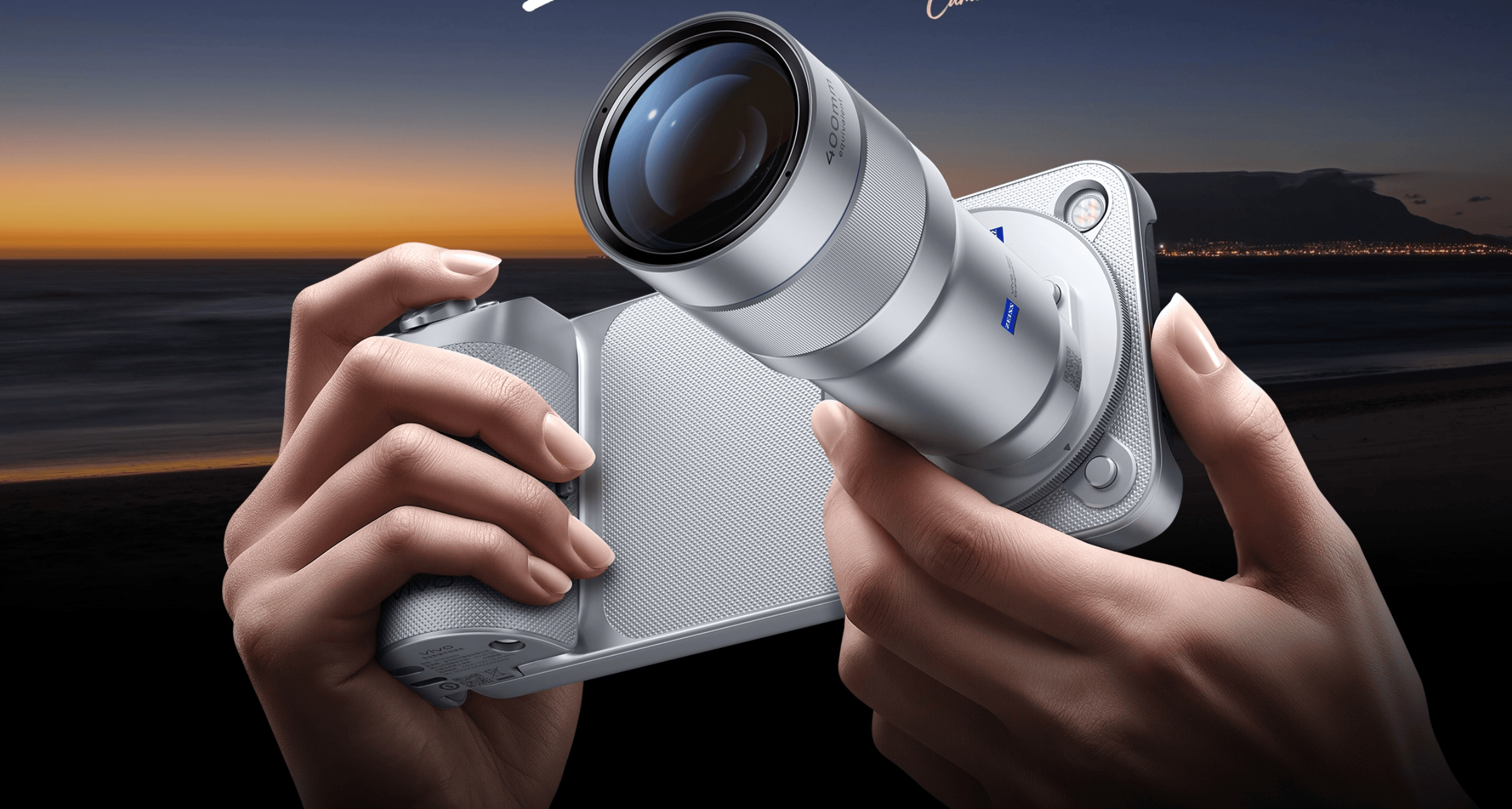
The telephoto camera is where the X500 Pro Max wins fair and square. It pairs a higher-resolution (200MP) sensor with a larger 1/1.4-inch sensor for more detail, especially outdoors with no artificial light. It also provides a better in-sensor crop for 7x or 14x zoom. The maximum hybrid zoom range (supposedly aided by generative AI) is higher on the Vivo handset as well.
Also Read: OnePlus Nord 6 vs. Nothing Phone (4a): Will You Choose Performance Or Personality?
The ultrawide camera, however, is better on the iPhone 18 Pro Max. It offers a wider field of view and a larger sensor. For video, though, the X500 Pro Max redeems itself with 8K@30fps video (entirely absent on the iPhone despite enough processing power and sensor size) and 4K@240fps video (limited to 4K@120fps on the iPhone, though it supports Dolby Vision at the same resolution and frame rate).
Thanks to its partnership with ZEISS, the X500 Pro Max comes with ZEISS Texture Profiles, including ZEISS Natural and ZEISS Vibrant. It also offers additional camera features like granular analog tuning, LOFIC 17-stop dynamic range processing for exceptional highlights and shadows, and a cinematic color master filter.
The iPhone also gets manual camera controls (what we generally call Pro Mode), next-generation Photographic Styles, Apple Log 2, Genlock Support, and Smart Focus Tracking for both photos and videos. The X500 Pro Max is also compatible with the company’s teleconverter kit, unlocking even more quality at higher zoom ranges.
| Spec | vivo X500 Pro Max | iPhone 18 Pro Max |
| Sensor | 50MP, f/2.0, 20mm, 1/2.76″, AF | 18MP multi-aspect, f/1.9, 20mm, PDAF + SL 3D depth (Face ID) |
| Video | 4K@30/60fps, 1080p@30/60fps | 4K@24/25/30/60fps, 1080p up to 120fps, gyro-EIS |
For the front camera, the iPhone 18 Pro Max wins with its multi-aspect-ratio photos, but the X500 Pro Max captures selfies at higher resolution.
Vivo X500 Pro Max vs. iPhone 18 Pro Max: Connectivity & Audio
| Spec | vivo X500 Pro Max | iPhone 18 Pro Max |
| Wi-Fi | Wi-Fi 7 (802.11 a/b/g/n/ac/6/7), dual-band | Wi-Fi 7 (802.11 a/b/g/n/ac/6e/7), tri-band, hotspot |
| Bluetooth | 5.4/6.0: A2DP, LE, aptX HD, LHDC 5 | 6.0: A2DP, LE |
| NFC | Yes | Yes |
| Infrared (IR) blaster | Yes | No |
| Ultra-wideband (UWB) | Not listed | Yes, 2nd-generation chip |
| USB port | USB-C 3.2, OTG | USB-C 3.2 Gen 2, DisplayPort output |
| 5G | Sub-6GHz, SA/NSA (no mmWave listed) | Sub-6GHz SA/NSA; mmWave on the US model (A3473) only |
| Satellite features | Satellite connectivity: China-only 12GB/1TB variant, positioning-oriented | Emergency SOS, Messages, Find My via satellite: standard on all global models |
| Speakers | Stereo; 24-bit/192kHz Hi-Res Audio certified | Stereo; GSMArena lab-measured loudness: −25.0 LUFS (“Very good”) |
| 3.5mm jack | No | No |
Also Read: iPhone 17e vs iPhone 16: The New iPhone Might Be Better For Most Users (But Not All)
Vivo X500 Pro Max vs. iPhone 18 Pro Max: Battery & Charging
| Spec | vivo X500 Pro Max | iPhone 18 Pro Max |
| Capacity | 8,000 mAh (7,800mAh on the outside-China unit) | 5,391 mAh (Nano-SIM model) / 5,567 mAh (eSIM-only model) |
| Battery chemistry | Silicon-carbon (Si/C) Li-Ion | Standard Li-Ion |
| Wired charging | 90W | PD3.2 with AVS: 50% in ~15 min (60W-class adapter sold separately) |
| Wireless charging | 40W | 25W MagSafe/Qi2 (15W in China): 50% in ~30 min |
| Reverse charging | Reverse wired + reverse wireless | 4.5W reverse wired only |
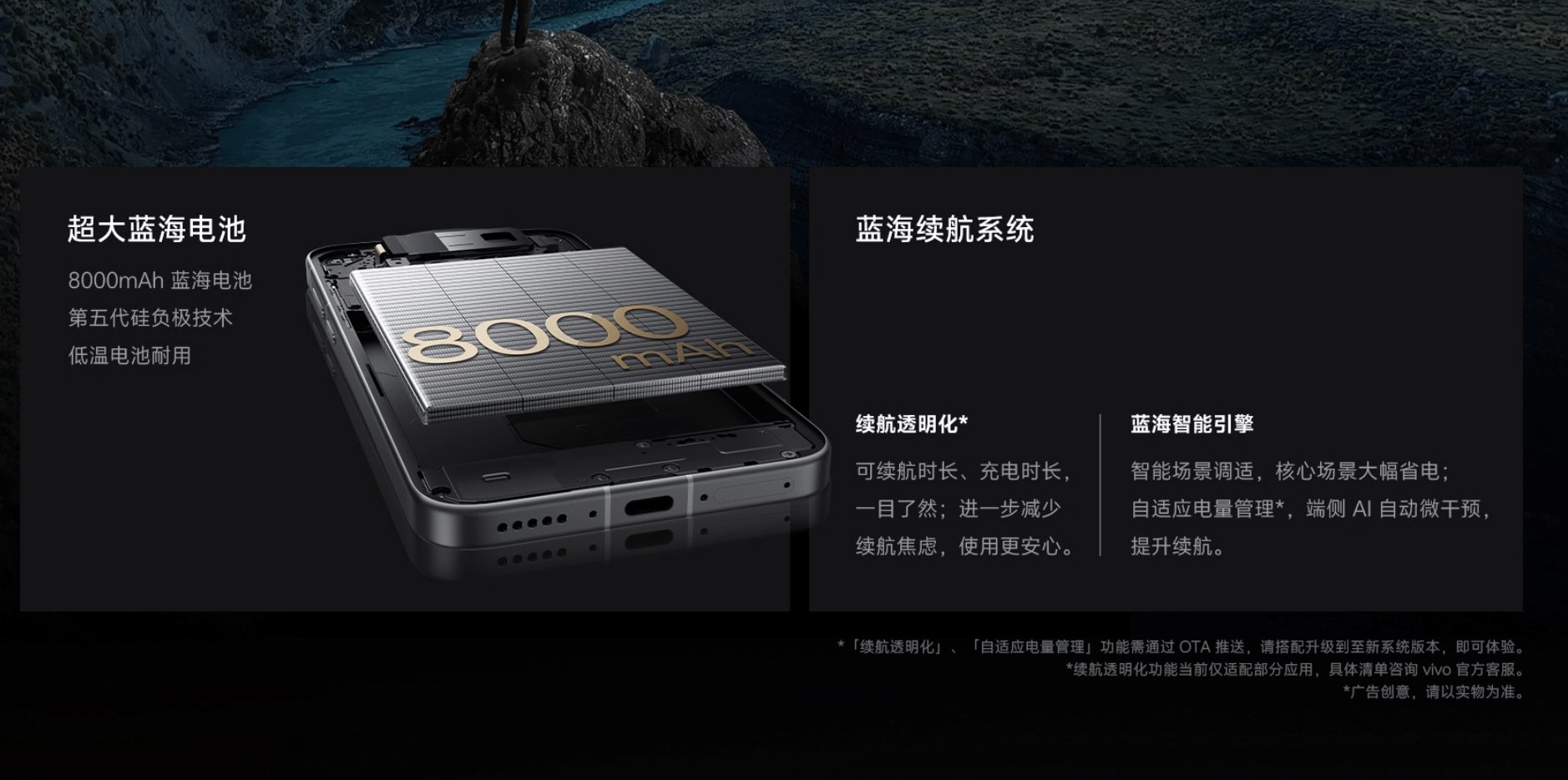
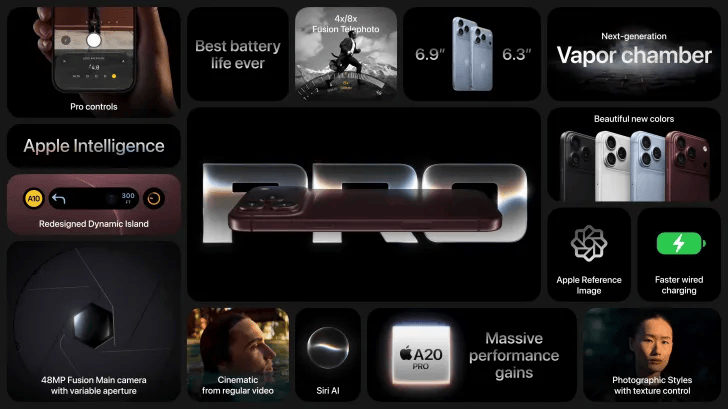
There’s no direct comparison between the flagships’ battery capacity because one uses silicon-carbon battery tech and the other relies on a standard lithium-ion battery. While the raw capacity favors the X500 Pro Max, Apple’s solid hardware-software optimization and excellent efficiency have extracted more screen-on time from smaller batteries.
Anyway, both smartphones should provide over 10+ hours of screen-on time with light to mixed usage. However, we can’t comment on the exact numbers just yet. Given its larger battery, the X500 Pro Max might take slightly longer to charge, even with faster charging. Even the wireless charging speed, 40W, could be too slow for the battery.
Also Read: Galaxy S26 Ultra vs. Find X9 Pro: Which Rs. 1 Lakh Flagship Is Right For You?
Vivo X500 Pro Max vs. iPhone 18 Pro Max: Final Verdict
Vivo X500 Pro Max
| Consider it for | Think twice if |
| Largest battery here (8,000mAh China spec), 90W wired + 40W wireless | You need it now outside China: no confirmed global price/date/software |
| 200MP/3.5x periscope + optional 400mm teleconverter: strongest zoom hardware | Features tied to China-only OriginOS 7 build (Didi, Blue Heart) may not carry globally |
| First 2nm Dimensity 9600 Pro chip, strong claimed efficiency/on-device AI | vivo’s history of thermal-management complaints under sustained load |
| 144Hz LTPO panel, 4,400-nit claimed peak brightness | Storage tops out at 1TB (UFS 4.1), no 2TB option |
| Deep video toolkit: 8K, 17EV Log, 10-bit 4:2:2 APV, DaVinci Resolve workflow | China price (~$985) likely to rise once global/India pricing lands |
iPhone 18 Pro Max
| Consider it for | Think twice if |
| A20 Pro (2nm) benchmarks as fastest mobile chip at launch in early reviews | $100 (US)/₹15,000 (India) pricier than 17 Pro Max at same storage |
| New variable-aperture main camera (f/1.48–f/4.0) adds manual control | Noticeably heavier than predecessor (249g vs 233g) |
| CNN Underscored recorded its best-ever battery result on this phone | Design is a close carryover from 17 Pro Max: no visual refresh |
| Ceramic Shield 2 + IP68 to 6m: tougher spec sheet than vivo’s 1.5m rating | 120Hz/5,391mAh trail vivo’s 144Hz panel and 8,000mAh battery on paper |
| Globally available now, mature iOS updates, deep Mac/iPad/Watch integration | 4x optical zoom trails vivo’s 200MP/3.5x periscope + accessory reach |

You can follow Smartprix on Twitter, Facebook, Instagram, and Google News. Visit smartprix.com for the latest tech and auto news, reviews, and guides.