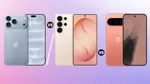



Pixel 11 Pro XL vs. iPhone 17 Pro Max vs. Galaxy S26 Ultra: Table of Contents
Deciding between these three phones is like answering three completely different questions (and getting three different answers) to the same question: which is the best flagship in 2026? Google’s response leads with on-device AI compute and the deepest Gemini integration ever.
Apple would counter with its powerful yet efficient silicon, with iOS ecosystem perks and reliable camera results, while Samsung would pitch its slimmer form factor, comprehensive Galaxy AI suite, the most versatile camera setup, and the ultimate productivity hack up its sleeve: the S Pen.
To make your decision easy (and quick if you skip to the verdict section), we break down all the aspects in this detailed, step-by-step comparison.

Pixel 11 Pro XL vs. iPhone 17 Pro Max vs. Galaxy S26 Ultra: Design
| Pixel 11 Pro XL | iPhone 17 Pro Max | Galaxy S26 Ultra | |
| Dimensions | 162.7 x 76.5 x 8.5mm | 163.4 x 78 x 8.75mm | 163.6 x 78.1 x 7.9mm |
| Weight | 226g | 231g | 214g |
| Front Material | Corning Gorilla Glass Victus 2 with anti-scratch shield | Ceramic Shield 2 | Corning Gorilla Armor 2 |
| Back Material | Corning Gorilla Glass Victus 2 silky matte finish | Ceramic Shield (aluminum unibody) | Gorilla Glass Victus 2 |
| Frame | Aluminum | Aluminum unibody frame | Aluminum |
| IP Rating | IP68 | IP68 (6m, 30 min) | IP68 (1.5m, 30 min) |
| Fingerprint Sensor | Ultrasonic, in-display | Face ID (no fingerprint) | Ultrasonic, in-display |
| Stylus Support | No | No | Yes (S Pen, Bluetooth) |
| Colors (India) | Canyon, Fog, Olive, Obsidian | Silver, Cosmic Orange, Deep Blue | Cobalt Violet, Sky Blue, Black, White, Silver Shadow, Pink Gold |
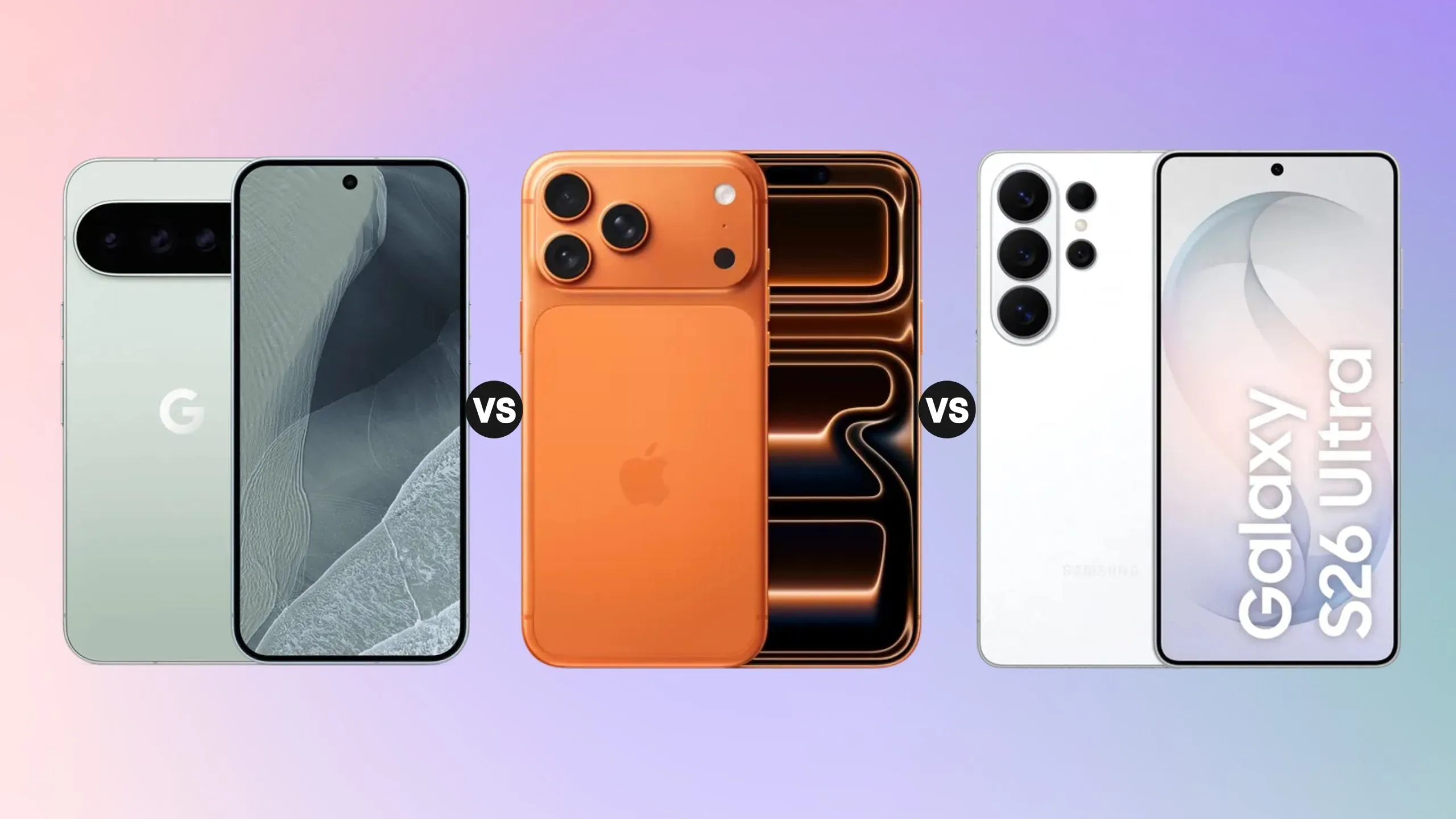
All the flagships here feature a glass-metal-glass sandwich design, but it’s the visual design that sets them apart.
Pixel 11 Pro XL
The Pixel 11 Pro XL carries on the iconic design language of the Pixel lineup, though with a couple of refinements. The classic camera bar is still there, but it’s slimmer than the one on the Pixel 10 lineup. Remember the metal accents toward the right of the camera bar that separated the flash and temperature sensor from the rest of the sensor array? That’s gone.
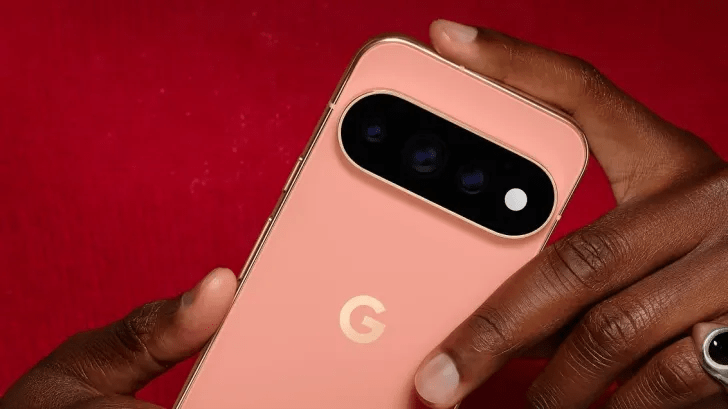
In its place, the Pixel 11 Pro XL has a continuous all-glass camera visor on the back, with a new RGB circular light surrounding the flash module, which Google calls the “HiLight.” While the feature remains fairly restricted at launch, the company might open it to more use cases based on user feedback. Otherwise, the handset features symmetrical bezels and a punch-hole screen up front.
Also Read: Samsung Galaxy Z Fold 8 Ultra vs. Z Fold 7: The Definitive Foldable Flagship Comparison For India
iPhone 17 Pro Max
Apple’s iPhone 17 Pro Max is the thinnest and lightest flagship in this comparison, which could be good or bad, depending on whether you associate heft with premiumness or prefer a sleek, modern flagship form factor. On the rear, the phone sports the gigantic camera plateau, which has become the Pro series’ signature design this year.

Unlike the other two phones, Apple uses an aluminum unibody for the frame; only the bottom two-thirds of the rear panel is glass to enable wireless charging. Other key visual elements include the Dynamic Island up front, round edges, and the wake button on the left, with the volume rockers and Action button on the left frame. And yes, it features the Camera Control button as well.
Also Read: Moto Edge 70 Max vs. vivo X200T: Which Is The Better ₹60,000 Premium Mid-Range Android Phone?
Galaxy S26 Ultra
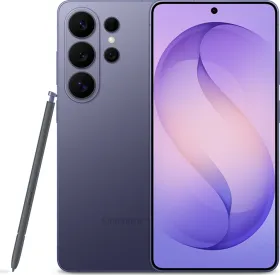
The S26 Ultra, you’d think, has the boxiest appearance of the three. Despite its 6.9-inch display, the phone is the lightest and slimmest in this comparison, which says a lot about the direction Samsung is headed as a smartphone manufacturer. While none of these phones are ideal for one-hand use, the S26 Ultra should feel relatively comfortable in hand.

Finally, it’s the camera array at the back, the vertically placed sensors on top of a pill-shaped island, that sets the phone apart. Last but not least, the phone features an S Pen built into its chassis, something no other Android flagship currently provides.
Also Read: XPS 13 (2026) vs. MacBook Neo: Can Dell Challenge Apple’s Affordable Laptop Dominance?
Pixel 11 Pro XL vs. iPhone 17 Pro Max vs. Galaxy S26 Ultra: Display
| Pixel 11 Pro XL | iPhone 17 Pro Max | Galaxy S26 Ultra | |
| Panel | 6.8″ Super Actua LTPO OLED | 6.9″ Super Retina XDR OLED (LTPO) | 6.9″ Dynamic LTPO AMOLED 2X |
| Resolution | 2992 x 1344 (486 ppi) | 2868 x 1320 (460 ppi) | 1440 x 3120 (~500 ppi) |
| Refresh Rate | 1–120Hz adaptive | 1–120Hz ProMotion | 1–120Hz adaptive |
| Peak Brightness | 2,400 nits HDR /3,600 nits peak | 1,000 nits typical / 1,600 nits HDR / 3,000 nits outdoor peak | 2,600 nits peak |
| HDR Support | HDR | Dolby Vision, HDR | HDR10+ |
| Extra Display Tech | – | Dynamic Island | Privacy Display |
Since we’re talking about the best conventional flagship each brand currently offers, they also feature the best displays on offer. Spoiler alert: all of them are manufactured primarily by Samsung. They’re all LTPO AMOLED panels that support a truly variable refresh rate between 1 and 120 Hz.

However, when it comes to peak brightness, the Pixel Pro XL’s Super Actua display can achieve 3,600 nits, which is the highest in this pack. That would help improve the display’s legibility outdoors, especially in direct sunlight. Indoors, however, the difference shouldn’t be as useful. Its pixel density comes in at second, only after the Galaxy S26 Ultra (500 ppi vs. 486 ppi), though it’s a minor difference that you might not notice.
Also Read: vivo X200T vs. OnePlus 15R: Which Is The Best Android Phone Under Rs. 55,000?

What the Pro XL still lacks is any anti-reflective coating, something both rivals include. Speaking of its rivals, the iPhone 17 Pro Max also supports Dolby Vision, which should come in handy for people who consume a lot of digital content, especially on OTT platforms.
Finally, the iPhone also features Dynamic Island, an intuitive display implementation that converts the screen area around the horizontal camera pill into an interactive background task manager.

The S26 Ultra flaunts the sharpest display in this comparison while maintaining one of the slimmest bezels. It also produces deep blacks with vibrant colors, but the headline addition this year is Privacy Display, a technique that uses directional pixels to reduce visibility from over the user’s shoulder. It’s a neat little trick, but when activated, it also takes a toll on the display’s resolution.
Also Read: Motorola Razr Fold vs. Samsung Galaxy Z Fold7: The Definitive Premium Book-Style Foldable Comparison
Pixel 11 Pro XL vs. iPhone 17 Pro Max vs. Galaxy S26 Ultra: Performance
| Pixel 11 Pro XL | iPhone 17 Pro Max | Galaxy S26 Ultra | |
| Chipset | Google Tensor G6 (2nm, TSMC) | Apple A19 Pro (3nm) | Snapdragon 8 Elite Gen 5 for Galaxy (3nm) |
| CPU | 7-core (1×4.11GHz + 4×3.38GHz + 2×2.65GHz) | 6-core (2×4.26GHz + 4×2.60GHz) | 8-core (2×4.74GHz + 6×3.62GHz Oryon V3) |
| GPU | Tensor G6 GPU | 6-core GPU with Neural Accelerators | Adreno 840 (1.3GHz) |
| Security Chip | Titan M3 | Secure Enclave | Knox security |
| RAM | 12GB / 16GB | 12GB (all variants) | 12GB (256/512GB) / 16GB (1TB) |
| RAM Type | LPDDR5X RAM | LPDDR5X RAM | LPDDR5X RAM |
| Storage Options | 256GB, 512GB with Zoned UFS | 256GB, 512GB, 1TB, 2TB | 256GB, 512GB, 1TB |
| Storage Type | UFS 4.0 | NVMe | UFS 4.X |
| Expandable Storage | No | No | No |
Tensor G6 (2nm)
The Tensor G6 moves to a new fabrication technology, something that Apple and Samsung are yet to embrace. It’s based on TSMC’s 2nm processing node. The CPU gains are still noticeable (around 20% in early benchmarks), while the GPU (PowerVR CXTP-48-1536) doesn’t offer any noticeable benefit (we haven’t tested the new units yet). Given that the company made it clear that it’s not chasing raw computational power or setting new records in benchmarks, that doesn’t come as a surprise.
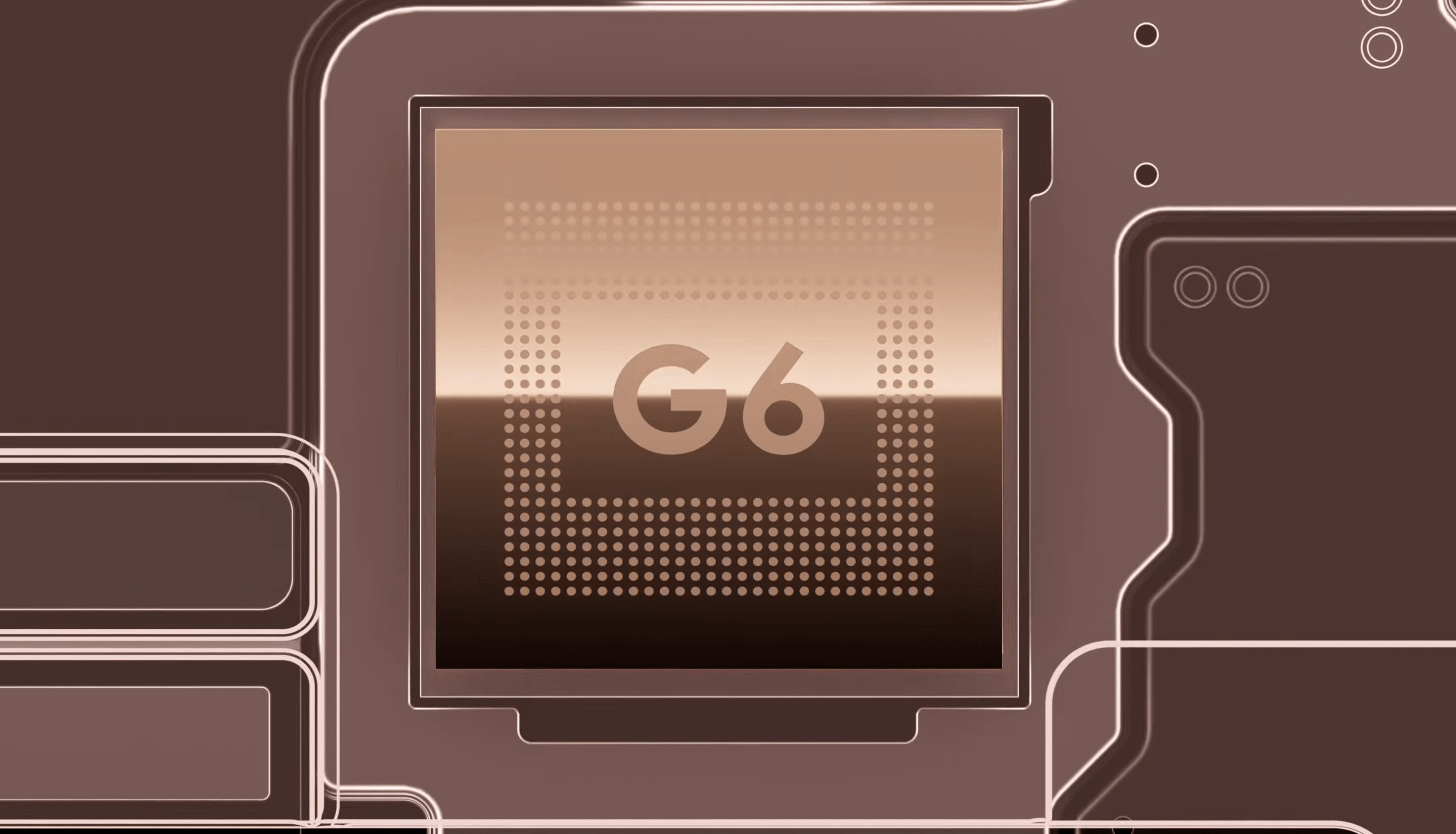
What the company is chasing, however, is on-device AI performance, which it thinks will actually benefit users in day-to-day use. The Tensor G6 comes with Google’s fifth-generation TPU, and it gets a claimed 50% boost in AI compute, and that’s where the extra silicon budget clearly went.
In daily use, that translates to snappier Gemini responses (and smoother execution of the on-device AI features), faster computational photography, and quicker app launches than the previous generation. The 12GB base RAM (16GB on higher storage tier) should keep multitasking smooth for most users.
Also Read: Snapdragon 6 Gen 5 vs. Dimensity 7450: Which Mid-Range Chipset Is Better And Why?

A19 Pro (3nm)
Apple’s A19 Pro remains the benchmark for efficiency and single-core excellence the rest of the industry is chasing. Its six-core design (with the largest CPU cache configuration) trades core count for per-core strength. The efficiency shows up in sustained performance, too. The iPhone 17 Pro Max’s 6-core GPU often holds steadier frame rates and runs at a higher resolution, without the throttling that heavier chips sometimes suffer under extended load.
With iOS 27, the device should also handle on-device AI processing requests smoothly, thanks to its 16-core Neural Engine. The tradeoff is fewer cores for multitasking-heavy workloads, something that also shows up in GeekBench’s multi-core performance test, where the Snapdragon 8 Elite Gen 5 goes further.
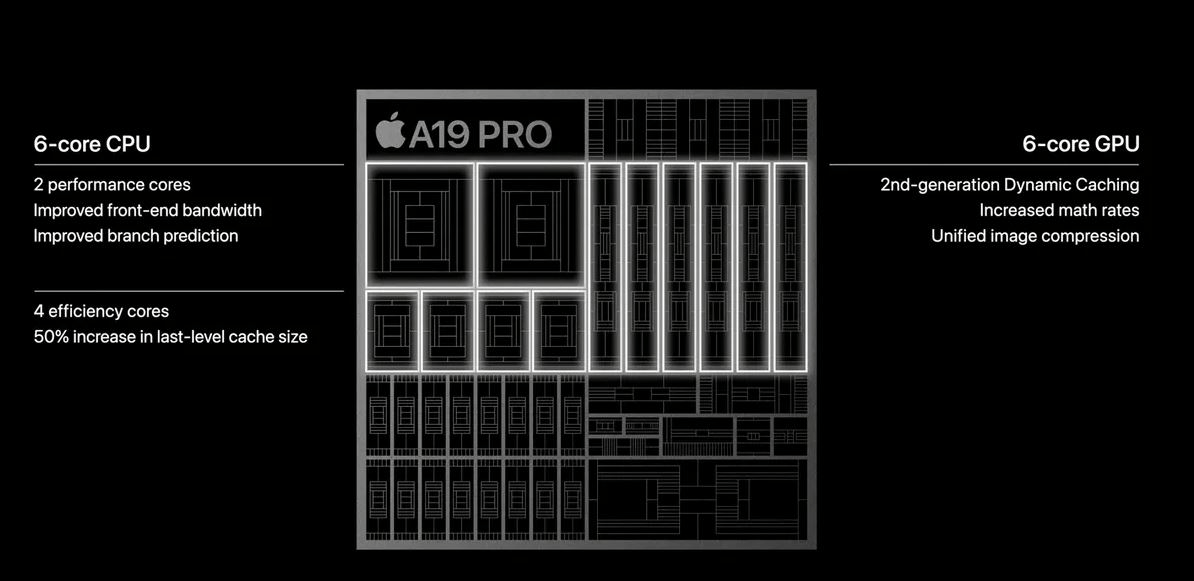
However, whether it’s day-to-day multitasking, high-fidelity video games, or video editing, the iPhone 17 Pro Max delivers one of the smoothest and fastest experiences on a conventional smartphone.
Galaxy S26 Ultra
Qualcomm built the overclocked Snapdragon 8 Elite Gen 5 for Galaxy to top benchmarks, and the numbers back that claim up. Its eight-core Oryon setup outmuscles the A19 Pro in multi-core workloads and frequently edges ahead in GPU-heavy benchmarks too, helped along by a redesigned vapor chamber that keeps clock speeds high during long gaming sessions.
Samsung claims roughly 19% faster CPU performance, 24% better graphics, and a 39% faster NPU than last year’s chip. That NPU gain matters just as much as raw speed. For anyone who games heavily or juggles a dozen apps at once, this is the most powerful phone in the group, though it draws slightly more power under sustained loads.
Like Google, Samsung restricts 16GB of RAM for the top-tier 1TB storage variant. The lower storage variants get 12GB of RAM.
Also Read: vivo X300 FE vs iPhone 17 & Samsung S26: The Compact Flagship Battle Set to Get a New Leader
Pixel 11 Pro XL vs. iPhone 17 Pro Max vs. Galaxy S26 Ultra: Software
| Pixel 11 Pro XL | iPhone 17 Pro Max | Galaxy S26 Ultra | |
| OS at Launch | Android 17 | iOS 26 | Android 16, One UI 8.5 |
| Update Commitment | 7 years OS + security updates | Historically 5–7 years | 7 years OS + security updates |
| Core AI Platform | Gemini (on-device Gemini Nano + cloud) | Apple Intelligence + Siri AI | Galaxy AI |
| AI Processing Claim | 50% more TPU compute; on-device tasks up to 3.5x faster, 3.5x less power vs prior Tensor | 40% faster on-device AI performance compared to predecessor + Private Cloud Compute | Combination of on-device and cloud-based Galaxy AI |
| Bundled AI Subscription | 6-month Google AI Pro | N/A | N/A |
| Unique Software Feature | Gemini Intelligence for task automation, Rambler voice-to-text assistant, Magic Capture, Camera Looks, SL2T, Video Boost | Siri AI, on-screen awareness, ProRes Genlock Video AI, Visual Intelligence | Real-Time Call Summarizer, multi-all automation, Dynamic Live Subtitle Translation, Now Nudge |
Android 17
If I were to describe the software experience on the Pixel 11 Pro XL in one line: Android 17 and Gemini are inseparable this year. The software feels more proactive than reactive, in ways that could unlock completely new user experiences. For instance, Gemini can scan a text for a restaurant recommendation and surface details without you switching apps, and its automation features now stretch to booking rides or building a grocery cart in the background.

New additions include Bubbles for floating-window multitasking, Screen Reactions for quick social clips, Magic Capture for never missing the key moments while capturing photos or videos, and real-time fraud alerts on suspicious calls. Buyers also get six months of Google AI Pro bundled in, which unlocks expanded Gemini limits and 5TB of cloud storage.
Seven years of guaranteed OS and security updates matches the longest commitment in this comparison.
Also Read: OnePlus Nord 6 vs. Nothing Phone (4a): Will You Choose Performance Or Personality?

iOS 26 / iOS 27
The Pro Max ships with iOS 26, but iOS 27 deserves a mention: Siri AI, Apple’s rebuilt assistant arriving with iOS 27, the first Apple Intelligence release to require that much memory. While the regular iPhone 17 also gets Siri AI, the Pro Max gets exclusive features like more expressive Siri voices and a meaningfully more accurate dictation model once the update lands.
You also get a more capable Clean Up tool and an image extender in the form of Spatial Reframing. However, these features fill the gap that existed between Apple Intelligence and Galaxy AI rather than introducing something entirely new.

Beyond Siri, the Dynamic Island continues to double as a contextual hub for live activities, and Apple’s Private Cloud Compute quietly handles heavier AI requests off-device without the usual privacy tradeoffs. Update longevity has historically run five to seven years.
One UI 8 / One UI 9
One UI 8.5 runs on top of Android 16 here, and Samsung leans on the Snapdragon 8 Elite Gen 5’s faster NPU to push more Galaxy AI processing on-device rather than to the cloud.
Features like Now Brief and Now Bar, which surface reminders and daily updates automatically, respond noticeably quicker as a result, even if some Galaxy AI tools still need a network connection.
The headline hardware-software pairing is Privacy Display, which uses AI-driven activation to dim the screen from side angles automatically during sensitive tasks like entering a PIN. Samsung DeX rounds out the productivity pitch when docked to a monitor. Like the Pixel, the S26 Ultra carries a seven-year commitment for OS and security updates.
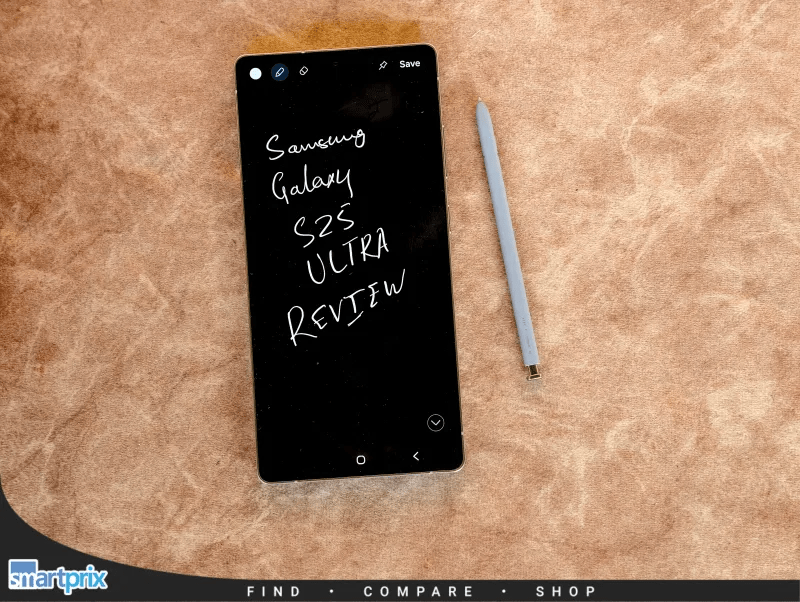
However, the S26 Ultra’s most unique advantage is its S Pen and the productivity tools built around it.
Also Read: Xiaomi 17 vs. Vivo X300: Leica vs. Zeiss, HyperOS vs. OriginOS, and Everything in Between
Pixel 11 Pro XL vs. iPhone 17 Pro Max vs. Galaxy S26 Ultra: Cameras
| Pixel 11 Pro XL | iPhone 17 Pro Max | Galaxy S26 Ultra | |
| Primary | 50MP (f/1.68), 1/1.3″, OIS | 48MP (f/1.78), 1/1.28″, Sensor-shift OIS | 200MP (f/1.4), 1/1.3″, OIS |
| Ultrawide | 48MP (f/1.7, 123°), 1/2.51″ | 48MP (f/2.2, 120°), 1/2.55″ | 50MP (f/1.9, 120°), 1/2.5″ |
| Telephoto | 48MP (f/2.8, 106mm), 1/1.95″, OIS | 48MP (f/2.8, 100mm), 1/2.55″, OIS | 10MP (f/2.4, 67mm), 1/3.94″, 3x optical zoom, OIS |
| Telephoto 2 | – | – | 50MP (f/2.9, 111mm), 1/2.52″, 5x optical zoom, OIS |
| Zoom Range | 5x optical zoom, 120x Super Res Zoom | 4x optical zoom, 8x and 16x optical quality zoom | 10x optical quality, up to 100x Space Zoom (digital) |
| Front Camera | 42MP (f/2.2, 103°), PDAF | 18MP (f/1.9) Center Stage, PDAF | 12MP (f/2.2), PDAF |
| Rear Video (Max) | 8K 30 fps (cloud dependent), 4K 60 fps | 4K Dolby Vision up to 120fps | 8K@24/30fps, 4K at 120 fps |
| Notable Camera Features | Magic Capture, Camera Looks, Creator Suite | Center Stage auto-framing, Dual Capture | Nightography, Super Steady Horizontal Lock |
When it comes to the cameras, all the phones feature dedicated telephoto sensors with resolution parity with the others. However, one clearly beats the others in versatility.
Primary Camera
The Galaxy S26 Ultra leads with a 200MP primary camera, with enough detail to crop the picture post-capture. It also has the largest aperture, making it most useful in low-light conditions. I prefer the iPhone 17 Pro Max’s sensor-shift OIS, but only for videos.

Ultrawide Camera
For landscape or architecture shooters, the Pixel 11 Pro XL has the best ultrawide camera, considering the aperture and sensor size. When it comes to the telephoto sensor, it’s the Pixel Pro XL that features the largest (1/1.95”) sensor paired with a 5x optical zoom lens, providing more details even in tricky lighting conditions. It can also capture 5x portraits this year, something that the Pixel 10 Pro XL couldn’t do.
Also Read: iPhone 17e vs iPhone 16: The New iPhone Might Be Better For Most Users (But Not All)
Zoom Cameras
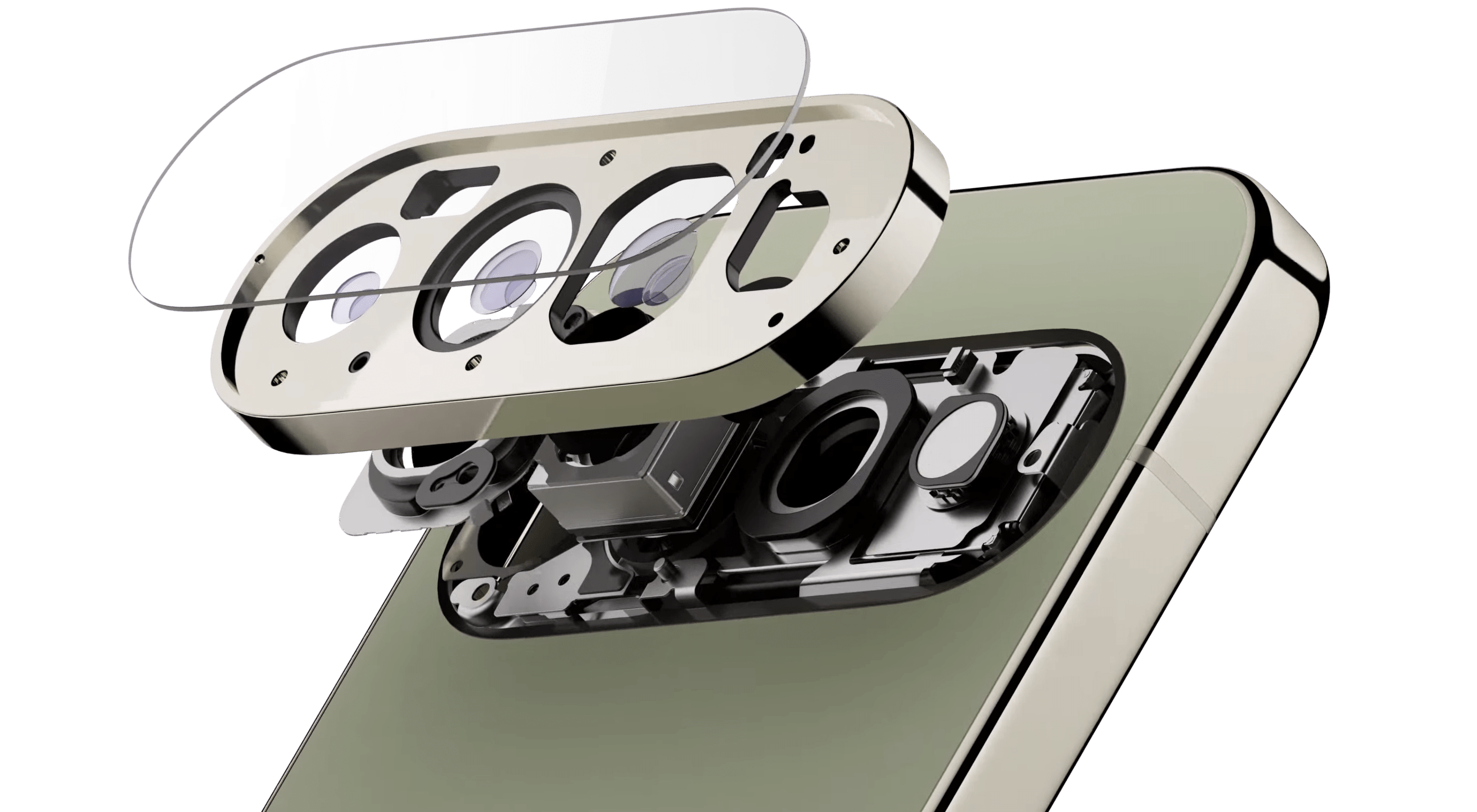
However, it’s the Galaxy S26 Ultra that pulls ahead with its dual-telephoto camera setup. Although the 10MP sensor paired with the 3x zoom lens could use a bigger sensor, the 50MP 5x optical zoom camera makes up for it. So, if you want the most optical zoom flexibility, the S26 Ultra is the best phone for you.
Video Performance
However, for video stability and exposure consistency, I’d give the edge to the iPhone 17 Pro Max. Thanks to the sensor-shift stabilization, footage comes out exceptionally smooth on the handset. It can also record 4K Dolby Vision footage up to 120fps, something the Pixel can’t do.

Also Read: Galaxy S26 Ultra vs. Find X9 Pro: Which Rs. 1 Lakh Flagship Is Right For You?
AI Features
The Pixel redeems itself with AI-based features like Magic Capture, Camera Looks, Instant Night Sight, Edit with Ask Photos, and Creator Suite. Some of these are truly unique features that have debuted on a 2026 flagship. Samsung’s Galaxy AI suite comes in second, with features like Generative Edit, while Apple takes a more conservative approach.
Pixel 11 Pro XL vs. iPhone 17 Pro Max vs. Galaxy S26 Ultra: Battery Life & Charging
| Pixel 11 Pro XL | iPhone 17 Pro Max | Galaxy S26 Ultra | |
| Battery Capacity | 5,115mAh | ~4,832mAh | 5,000mAh |
| Rated Battery Life | 30+ hours of battery life | Up to 39 hours video playback | Up to 31 hours video playback |
| Wired Charging | 45W (up to 75% in 30 min via USB-C) | 40W (50% in 20 min via USB-C) | 60W (PD3.0, 75% in 30 min) |
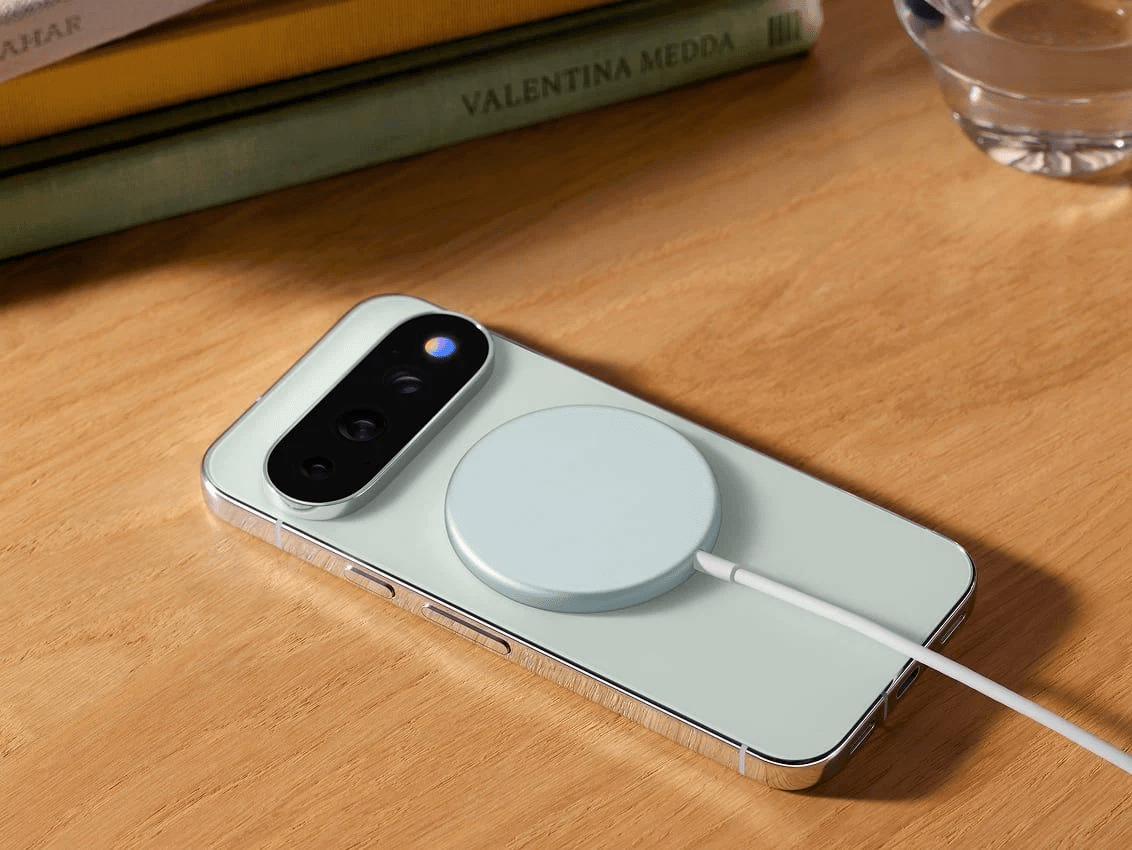
| Wireless Charging | 25W (Qi2.2, Pixelsnap) | Up to 25W (MagSafe, Qi2.2) | 25W (Qi2.2, magnetic case required) |
Battery numbers don’t tell the full story here. The Pixel 11 Pro XL packs the largest capacity of the three at 5,115mAh, backed by 45W wired charging that hits 75% in half an hour, plus 25W Pixelsnap wireless charging.
Apple’s smaller 4,832mAh cell on the iPhone 17 Pro Max looks modest by comparison, yet the A19 Pro’s efficiency stretches it into a claimed 39 hours of video playback, the longest rated figure in this group, even though its 40W wired charging trails both rivals.
Also Read: Galaxy S26 vs. Find X9 vs. vivo X300: The 2026 Baseline Android Flagship Battle Intensifies
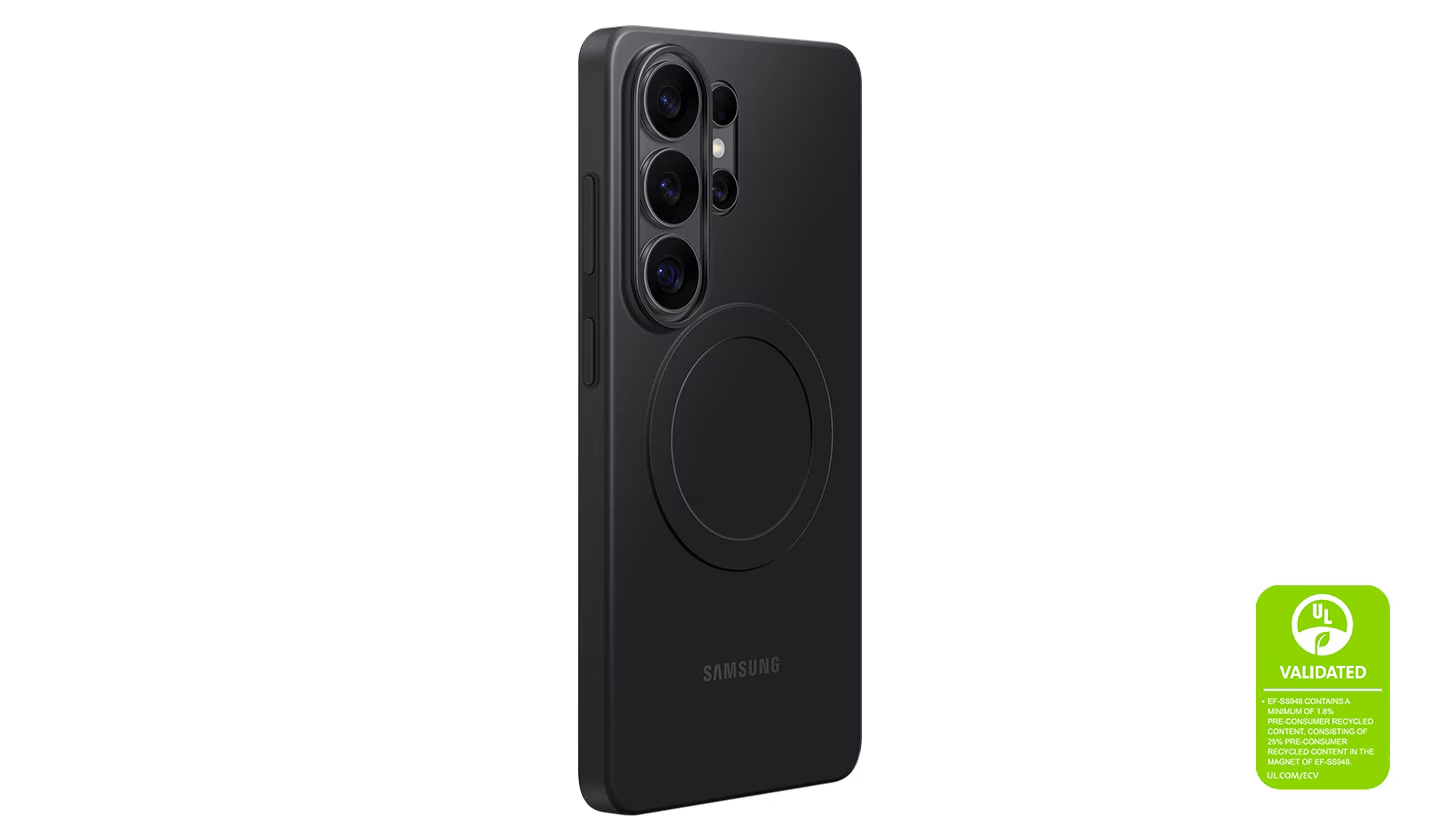
Samsung splits the difference with a 5,000mAh cell on the Galaxy S26 Ultra, but its 60W wired charging is the fastest here, reaching 75% in 30 minutes, and a redesigned vapor chamber keeps performance steady as the battery drains during long gaming or camera sessions. However, even in 2026, the phone lacks built-in magnetic wireless charging.
Pixel 11 Pro XL vs. iPhone 17 Pro Max vs. Galaxy S26 Ultra: Price
| Variant Tier | Pixel 11 Pro XL | iPhone 17 Pro Max | Galaxy S26 Ultra |
| Base | 12GB + 256GB: ₹1,34,999 | 12GB + 256GB: ₹1,49,900 | 12GB + 256GB: ₹1,39,999 |
| Mid | 16GB + 512GB: ₹1,49,999 | 12GB + 512GB: ₹1,69,900 | 12GB + 512GB: ₹1,59,999 |
| High | — | 12GB + 1TB: ₹1,89,900 | 16GB + 1TB: ₹1,89,999 |
| Max | — | 12GB + 2TB: ₹2,29,900 | — |
Also Read: Samsung Galaxy S26 Ultra vs. Galaxy S25 Ultra: Here’s Everything That’s New
Pixel 11 Pro XL vs. iPhone 17 Pro Max vs. Galaxy S26 Ultra: Verdict
Pixel 11 Pro XL
The Pixel 11 Pro XL earns its price with the most personal software experience of the three, even if the Tensor G6 won’t win any benchmark arguments.

| Who Should Buy It | Who Should Skip It |
| Gemini power users who want agentic AI built into daily workflows | Gamers chasing the fastest sustained frame rates: Tensor G6’s GPU trails both rivals |
| Photographers who want the widest ultrawide and best 5x zoom optics here | Buyers who want a 1TB or larger storage option |
| Anyone who values 7 years of guaranteed updates over benchmark charts | Users comparing purely on CPU and GPU numbers |
| Buyers who want six months of Google AI Pro bundled in free | Anyone who prefers a stylus: no S Pen support here |
iPhone 17 Pro Max
The Pro Max remains the safest all-round pick, built on efficiency and ecosystem lock-in, though Siri AI’s headline features are still an iOS 27 update away.

| Who Should Buy It | Who Should Skip It |
| Buyers who prioritize sustained gaming performance and thermal stability over peak scores | Anyone who wants a fingerprint sensor instead of Face ID |
| Anyone invested in Apple’s ecosystem: iMessage, AirDrop, and Continuity | Budget buyers: storage upgrades get expensive fast, 2TB tops out at Rs. 2.29 lakh |
| Users who want the longest-rated battery life on video playback in this group | Buyers who want the sharpest display resolution in this comparison |
| Videographers who need Dolby Vision and 4K 120fps recording | Multitaskers who lean on RAM-heavy split-screen work: capped at 12GB across every variant |
Galaxy S26 Ultra
The S26 Ultra is the closest thing to a do-it-all flagship here, provided you don’t mind paying for every feature Samsung has bolted on.

| Who Should Buy It | Who Should Skip It |
| Power users who want the fastest CPU and GPU benchmarks in this comparison | Buyers who want the lightest, most one-hand-friendly phone (it’s close, but not quite) |
| Anyone who wants a built-in S Pen without carrying a separate stylus | Anyone who prefers a cleaner interface: One UI ships with more preloaded features than the other two |
| Buyers who need the most zoom flexibility, thanks to the dual telephoto setup | Users who don’t game or lean on GPU-heavy tasks: the price premium won’t feel justified |
| Anyone who cares about visual privacy in public: Privacy Display is unique to this phone | Bargain hunters: the Pixel 11 Pro XL undercuts the base S26 Ultra by roughly Rs. 5,000 |

You can follow Smartprix on Twitter, Facebook, Instagram, and Google News. Visit smartprix.com for the latest tech and auto news, reviews, and guides.